Alerts

-
5 minutes, 26 seconds
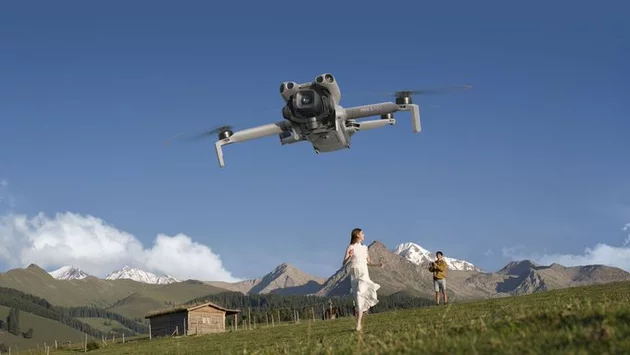
UK drone laws have officially changed as of January 1, 2026, leaving many recreational and professional pilots scrambling for answers.
If you’re wondering whether you can still fly your drone, whether you now need a Flyer ID, or how Remote ID affects your flights, you’re not alone. These updates apply to most drone owners, even those flying lightweight or consumer-friendly models. The new rules aim to improve airspace safety and accountability rather than ground hobbyists entirely. Still, compliance now requires more action than before. Understanding what changed and what you must do is the fastest way to avoid fines or grounded flights. Here’s a clear breakdown of the new UK drone laws and how to stay airborne.
UK drone laws now classify drones using more than just weight, marking a major shift in how flights are regulated.
Previously, drone categories were largely based on how heavy your aircraft was, making it relatively easy to know where you stood. Under the new system, safety features such as geo-awareness, fail-safes, and electronic identification are also taken into account. Weight still matters, but it’s no longer the only deciding factor. This change brings the UK closer to international drone safety standards. For pilots, it means checking your drone’s specifications more carefully than before. Many modern drones will remain compliant, but assumptions could now lead to accidental rule-breaking.
Remote ID is now mandatory under UK drone laws, and most drones must broadcast identification data while flying.
Remote ID acts like a digital number plate, allowing authorities to identify drones in real time. In most cases, this feature can be enabled through your drone’s app or firmware settings. Some newer drones already have Remote ID switched on by default, while older models may require updates. Flying without Remote ID enabled could result in penalties, even if you’re otherwise operating safely. This rule applies to both hobbyist and professional pilots. Before your next flight, it’s essential to confirm Remote ID is active.
A Flyer ID is now required for most pilots, making testing a key part of UK drone laws in 2026.
If you fly a drone that doesn’t meet strict toy exemptions, you’ll need to pass an online test to get your Flyer ID. The test focuses on airspace awareness, safety responsibilities, and legal limits. It’s designed to be accessible, not intimidating, but skipping it isn’t an option. Once passed, your Flyer ID proves you understand how to fly responsibly. This requirement aims to reduce incidents rather than discourage drone use. For many pilots, it’s the most noticeable change introduced this year.
Getting compliant with UK drone laws is straightforward if you tackle each requirement step by step.
First, check how your drone is classified under the updated rules. Next, ensure Remote ID is enabled and functioning properly before takeoff. Then, complete the Flyer ID test if required and keep your ID valid. These steps don’t need to be repeated often, but they do demand attention now. Pilots who act early avoid last-minute stress or missed flying opportunities. Once set up, most flights will feel no different than before. Preparation is the key to uninterrupted flying.
UK drone laws may feel stricter, but they’re designed to keep the skies open rather than shut them down.
Authorities are aiming for safer integration of drones alongside aircraft and populated areas. For responsible pilots, compliance is more about awareness than restriction. Ignoring the changes, however, could lead to fines or confiscation. The good news is that once you’ve sorted your Flyer ID and Remote ID, you’re free to fly within the rules. Staying informed ensures your drone remains a tool for creativity, work, or fun. The skies are still open—just a little more regulated than before.













Comment