
Alerts
-
2 minutes, 2 seconds
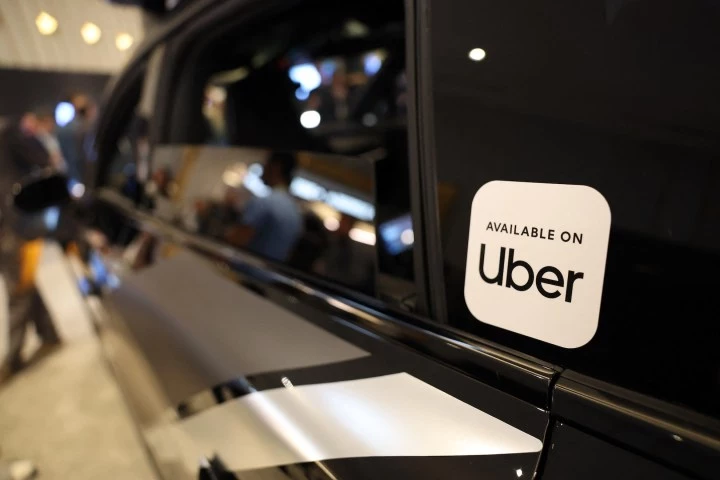
Uber is building an autonomous vehicle empire by teaming up with and investing in more than 30 companies worldwide. This massive driverless car effort is reshaping how the ride-hailing giant plans to move people in the future.
Over the past two years, Uber has quietly created a global network of partnerships and investments. These help it access self-driving technology, sensors, mapping, and software. The goal is simple: stay ahead in the race toward autonomous vehicles.
Uber doesn't want to build every part of a self-driving car from scratch. Instead, it's teaming up with experts. By working with top AV companies, Uber gets access to cutting-edge technology without spending billions alone.
Uber is not focusing on one country. It has made deals with companies across North America, Europe, and Asia. This global approach helps Uber adapt to different roads, rules, and driver behaviors.
These moves turn Uber into a central player in the autonomous vehicle industry, not just a ride-hailing app.
Uber knows that driverless cars will eventually cut costs. Removing human drivers could lower prices for riders and increase profits. In a market where every dollar counts, autonomous vehicles are the future.
Also, self-driving fleets can run 24/7, handle more trips, and reduce accident risks. That means fewer delays and a safer experience over time.
If Uber succeeds, you might see driverless cars in your city sooner than you think. The company is working to make these vehicles safe, affordable, and available on demand. It's not just about tech; it's about creating a better ride experience.
Uber's autonomous vehicle empire is still growing. Competitors like Waymo and Tesla are also pushing hard, so Uber must keep innovating. But with 30+ partners and global reach, Uber is in a strong position.
The journey is far from over, but one thing is clear: driverless rides are coming. Uber is making sure it leads the way.










Comment