Alerts

-
4 minutes, 43 seconds
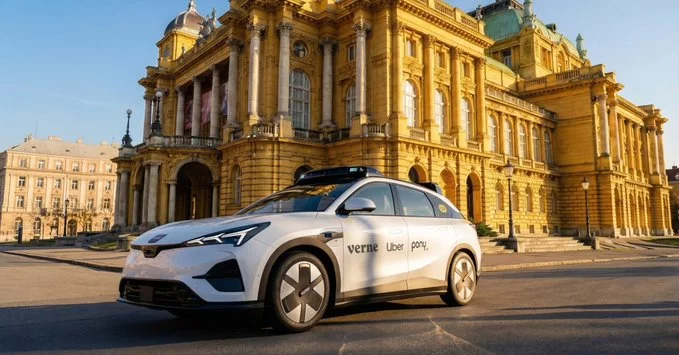
Uber is moving closer to revolutionizing urban mobility with its first European robotaxi service. The ride-hailing giant has partnered with autonomous vehicle specialists Pony AI and Verne to introduce self-driving taxis to the continent. Passengers in Croatia will be among the first to experience this cutting-edge technology, marking a major milestone for autonomous transportation in Europe.
The rollout answers one of the biggest questions consumers have: when will self-driving cars become a practical reality? With live tests already underway, Uber is showing that robotaxis are not just a futuristic concept—they are coming to city streets sooner than many expect.
Croatia is serving as the testing ground for Uber’s new autonomous initiative. The country’s urban layout and favorable regulations provide an ideal environment for fine-tuning robotaxi operations. Pony AI and Verne have been running extensive trials in key cities, gathering data on safety, navigation, and passenger experience.
These tests are critical for ensuring smooth operations before a wider European launch. Early results indicate that autonomous vehicles can handle complex city traffic, pedestrian crossings, and variable weather conditions with remarkable accuracy. For locals, this means safer, more reliable transport options in the near future.
Passengers can expect a familiar Uber booking experience, with one key difference: the driver’s seat will be empty. Advanced sensors, AI-powered navigation systems, and real-time monitoring will guide the robotaxis. Human operators may still supervise rides remotely, ready to intervene if necessary.
The partnership with Pony AI and Verne brings decades of experience in autonomous vehicle software, combining Uber’s ride-hailing expertise with world-class AI technology. Riders can anticipate a seamless journey, from app booking to drop-off, with safety and convenience as top priorities.
Uber’s robotaxi initiative could reshape urban transportation across Europe. By reducing reliance on human drivers, the service promises lower costs, increased availability, and a smaller carbon footprint. Cities with heavy traffic congestion may benefit from fewer vehicles on the road as autonomous fleets optimize routing and efficiency.
Furthermore, the project demonstrates the growing readiness of autonomous vehicles for commercial deployment. As more cities adopt regulatory frameworks to accommodate self-driving cars, Uber’s success in Croatia could serve as a blueprint for expansion across the continent.
Despite promising tests, launching robotaxis across Europe comes with hurdles. Regulatory approvals, insurance frameworks, and public trust remain key challenges. Ensuring safety in diverse traffic conditions and unpredictable urban environments will require continuous monitoring and updates.
Uber and its partners are committed to addressing these concerns. By combining technology, training, and transparency, they aim to build confidence among passengers and local authorities alike. The Croatia launch is just the first step in what could become a continent-wide revolution in how people move around cities.
As Uber rolls out its first robotaxi service in Europe, excitement is building for a new era of autonomous travel. With Pony AI and Verne on board, self-driving taxis are moving from concept to reality. Passengers can look forward to convenient, safe, and futuristic rides in Croatia soon, signaling the start of a broader European expansion.
Europeans may soon find that catching a ride no longer requires a human driver—just an app, a robotaxi, and a glimpse into the future of transportation.










Comment