
-
5 minutes, 40 seconds
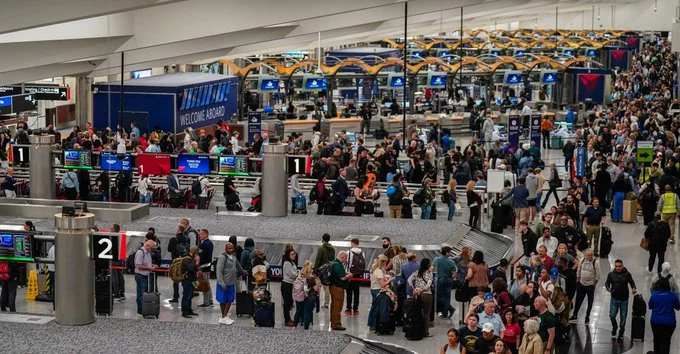
Travelers are increasingly asking the same question: is the TSA still working effectively? Long lines, inconsistent screening, and growing passenger frustration have pushed airport security into the spotlight again. The current system, designed to protect millions of passengers daily, is facing mounting criticism for inefficiency and outdated processes. With these concerns rising, discussions about privatizing airport security are gaining renewed attention.
The issue is no longer just about convenience—it’s about trust, safety, and whether the system can keep up with modern travel demands.
Passenger complaints about airport security have surged in recent years, and the reasons are hard to ignore. Travelers frequently report unpredictable wait times, inconsistent rule enforcement, and staffing shortages that slow down operations. These issues are especially noticeable during peak travel seasons when airports struggle to manage the surge in passengers.
Security officers themselves have also raised concerns about workload pressures and limited resources. This combination of internal strain and external frustration has created a system that feels stretched thin. As a result, confidence in the TSA’s ability to deliver both efficiency and safety is being questioned more openly than ever before.
Privatization advocates argue that introducing private companies into airport security could improve efficiency and accountability. The idea is that competition encourages better performance, faster innovation, and improved customer service. Some airports that already use private screening contractors have reported smoother operations and shorter wait times.
Supporters also believe privatization could bring flexibility to hiring and training, allowing security providers to adapt more quickly to changing threats. In theory, this could lead to a more responsive and modern system. For travelers tired of delays and confusion, the promise of a streamlined experience is appealing.
Despite its appeal, privatization is far from a guaranteed fix. Critics warn that handing security responsibilities to private firms could introduce new risks, particularly if cost-cutting becomes a priority. Airport security is not just another service—it is a critical layer of national safety.
There are also concerns about consistency. A fully privatized system could lead to varying standards across airports, potentially creating gaps in security. Oversight would remain essential, and without strong regulation, the benefits of privatization could quickly be overshadowed by new challenges.
Whether public or private, the core problem lies in a system struggling to keep up with modern travel demands. Passenger volumes continue to rise, while security threats evolve in complexity. Technology upgrades, staffing improvements, and better passenger communication are all necessary to address the current shortcomings.
Many experts suggest that reform—not full privatization—may be the most practical path forward. This could include integrating advanced screening technology, improving workforce conditions, and refining processes to reduce bottlenecks. Incremental changes may not be as dramatic as privatization, but they could offer more sustainable results.
For now, travelers should expect continued variability in airport security experiences. While some airports may operate smoothly, others will likely face delays and inconsistencies. Planning ahead, arriving early, and staying informed about screening requirements remain essential strategies for avoiding stress.
At the same time, public pressure is likely to keep growing. As more travelers voice their frustrations, policymakers may be forced to act—whether through reform, partial privatization, or a hybrid approach. The future of airport security is clearly at a turning point.
The debate over TSA privatization reflects a broader concern about how to balance safety, efficiency, and passenger experience. While privatization offers potential benefits, it also introduces new uncertainties that cannot be ignored. What’s clear is that the current system is under strain and in need of meaningful change.
Decisions made in the coming years will shape how millions of people experience air travel. Whether through reform or restructuring, one thing is certain: doing nothing is no longer an option.

2.6K articles

1.4K articles

34 articles

28 articles













Comment