Alerts

-
7 minutes, 26 seconds
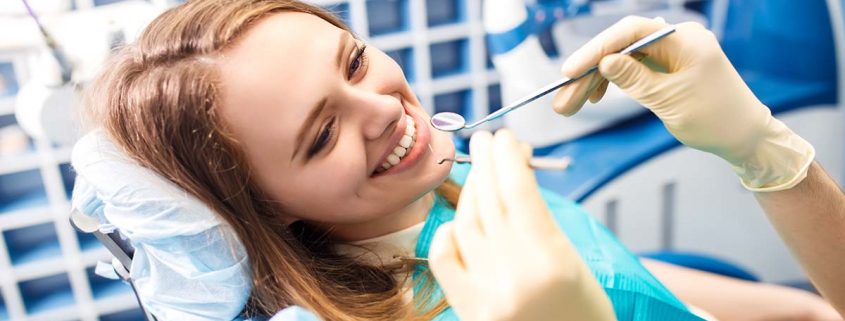
Understanding the recovery time for removal of wisdom teeth is important for anyone preparing for dental surgery. While dental procedures are performed to improve oral health and relieve problems such as pain, infection, or impacted teeth, proper aftercare plays a major role in achieving a smooth recovery. Many patients worry about discomfort after surgery, but following the right care instructions can help reduce swelling, support healing, and make the recovery process more comfortable.
Dental surgery recovery is different for every person. Factors such as the type of procedure, overall health, the complexity of the surgery, and how well you follow post-treatment instructions can affect healing time. Whether you have undergone wisdom tooth removal, dental implant surgery, gum treatment, or another procedure, taking proper care after surgery helps protect the treated area and prevents complications.
After dental surgery, your body naturally begins the healing process. Some common symptoms during recovery may include mild swelling, soreness, sensitivity, difficulty opening the mouth fully, or slight bleeding during the first few days.
These symptoms are usually temporary and improve gradually. The key to a comfortable recovery is understanding what is normal and following your dentist’s advice carefully.
For procedures like Wisdom Teeth Removal in Chandigarh, recovery may involve managing swelling, eating soft foods, maintaining oral hygiene, and avoiding activities that can disturb the healing area.
One of the most important steps after dental surgery is following the instructions provided by your dentist. These instructions are based on your specific procedure and help support proper healing.
Your dentist may provide guidance about:
Taking prescribed medications
Cleaning your mouth safely
Foods to avoid
Physical activities to limit
Follow-up appointments
Even if you start feeling better after a few days, continue following the recommended care routine. The tissues inside your mouth may still be healing, and protecting the surgical area is important.
Swelling is a common part of the healing process after dental surgery. It usually reaches its peak within the first few days and gradually improves.
Applying an ice pack on the outside of your face during the initial period can help reduce swelling and discomfort. Use the ice pack for short intervals and avoid applying ice directly to the skin.
After the first few days, your dentist may suggest other methods to support healing. Avoid pressing or touching the surgical area unnecessarily, as this can irritate the tissues.
Pain relief medicines and other prescribed medications help manage discomfort and prevent complications. Always take medicines according to your dentist’s instructions.
Do not stop antibiotics early unless advised, even if you feel better. Completing the recommended course helps reduce the risk of infection.
If you experience unusual reactions, severe discomfort, or concerns about medication, contact your dentist for guidance rather than changing your medication schedule yourself.
Your diet plays an important role in recovery. After dental surgery, the treated area may be sensitive, so soft foods are usually recommended during the initial healing period.
Suitable food options may include:
Soft fruits
Yogurt
Soups
Mashed vegetables
Smooth foods
Soft rice
Eggs
Avoid hard, crunchy, spicy, or extremely hot foods because they may irritate the surgical site.
For patients undergoing Wisdom Teeth Removal in Chandigarh, eating carefully during the first few days can help protect the extraction area and support faster healing.
Drinking enough water is important after dental surgery. Proper hydration supports the body’s healing process and helps maintain overall health.
However, avoid using a straw during the early recovery period, especially after tooth extraction. The suction created while drinking through a straw can disturb the blood clot that forms at the surgical site and may delay healing.
Choose small sips of water and avoid alcohol during recovery because it can interfere with healing and medications.
Keeping your mouth clean is essential after surgery, but you must be gentle around the treated area.
Continue brushing your teeth carefully while avoiding direct pressure on the surgical site. Your dentist may recommend a special mouth rinse or cleaning method depending on your procedure.
Avoid aggressive rinsing during the first few days after surgery because it may disturb the healing area.
Good oral hygiene reduces bacteria buildup and helps prevent infection during recovery.
Smoking can significantly affect the healing process after dental surgery. Tobacco reduces blood flow to the gums, slows healing, and increases the risk of infection.
After procedures such as tooth extraction or wisdom tooth removal, smoking can also increase the chance of a painful condition called dry socket, where the protective blood clot is disturbed.
Avoid smoking and tobacco products during the recovery period. Ideally, maintaining a tobacco-free lifestyle supports better long-term oral health.
Your body needs energy to heal after surgery. Getting enough rest during the initial recovery period allows tissues to repair properly.
Avoid heavy exercise, lifting weights, or intense physical activities immediately after dental surgery. Increased physical strain can raise blood pressure and may contribute to bleeding or discomfort.
Most patients can gradually return to normal activities as healing progresses, but the timing depends on the type of procedure performed.
Many patients feel curious about checking the surgery site, but touching it with fingers, tongue, or objects can irritate the area.
Avoid:
Pressing the wound
Pulling stitches
Constantly checking the area
Chewing directly on the surgical side
Allow the body to heal naturally and attend follow-up visits so your dentist can monitor recovery properly.
The recovery time for removal of wisdom teeth can vary depending on whether the tooth was fully visible, partially impacted, or completely trapped under the gums.
Generally, swelling and discomfort are more noticeable during the first few days and gradually improve. Many patients can return to normal activities within a short period, but complete healing of the gums and deeper tissues may take longer.
Following aftercare instructions, maintaining hygiene, eating properly, and avoiding harmful habits can help make the recovery smoother.
Patients undergoing Wisdom Teeth Removal in Chandigarh should remember that healing time differs from person to person. Your dentist can provide a more accurate recovery expectation based on your specific case.
Follow-up appointments allow your dentist to check healing progress, remove stitches if required, and identify any possible concerns early.
Even if you feel comfortable after surgery, these visits are important because some issues may not cause immediate symptoms.
Regular monitoring helps ensure that the treated area is healing correctly and that you receive support throughout recovery.
Some discomfort after dental surgery is normal, but certain symptoms should not be ignored.
Contact your dentist if you experience:
Severe or increasing pain
Excessive bleeding
Persistent swelling
Fever
Difficulty swallowing
Pus or unusual discharge
Bad taste that does not improve
Early attention can help prevent minor issues from becoming serious complications.
Several factors can influence how quickly you recover, including:
Type and complexity of surgery
Your general health
Oral hygiene habits
Following aftercare instructions
Smoking habits
Diet and rest
Patients who take proper precautions often experience a smoother and more comfortable recovery.
A comfortable recovery after dental surgery depends on proper care, patience, and following professional advice. Managing swelling, eating the right foods, maintaining hygiene, taking medications correctly, and avoiding harmful habits can support faster healing.
Understanding the recovery time for removal of wisdom teeth helps patients prepare mentally and physically for the healing process. Whether you are planning Wisdom Teeth Removal in Chandigarh or recovering from another dental procedure, following the right aftercare steps can make your experience easier and more comfortable.
At Dantaa Dental Clinic, patients receive guidance and support throughout their dental treatment journey. With proper care and timely follow-ups, dental surgery recovery can be smooth while helping you achieve better long-term oral health.
The recovery time for removal of wisdom teeth varies depending on the complexity of the procedure and individual healing. Many patients experience improvement within a few days, while complete healing may take longer.
Soft foods such as yogurt, soups, mashed vegetables, soft rice, and smoothies are usually recommended during the initial recovery period. Avoid hard, crunchy, or spicy foods until healing progresses.
Yes, but brushing should be gentle. Avoid disturbing the surgical area and follow your dentist’s instructions about cleaning and mouth rinsing.
You should contact your dentist if you experience severe pain, excessive bleeding, increasing swelling, fever, infection signs, or any unusual symptoms during recovery.



Comment