Alerts

-
6 minutes, 59 seconds
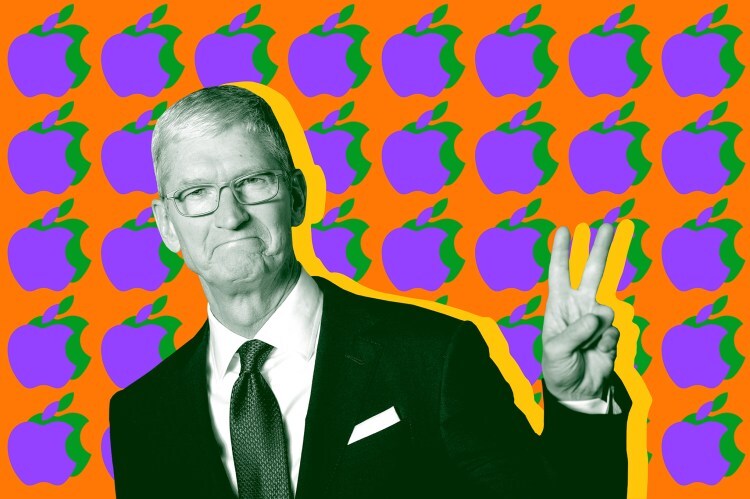
Tim Cook addressed growing national tensions after a deadly protest incident in Minneapolis, confirming he spoke directly with President Trump about the need for deescalation. In a message shared internally with Apple employees, Cook said the conversation focused on calming divisions, protecting communities, and reaffirming shared values. Many readers searching for clarity want to know what Cook said, why his remarks matter now, and how Apple’s leadership is responding amid public pressure. His comments arrive at a moment when corporate leaders are increasingly expected to take visible positions during social and political crises.
Tim Cook described himself as “heartbroken” by the events that unfolded in Minneapolis, where federal agents fatally shot a protester during a weekend demonstration. In his message to staff, the Apple CEO expressed sympathy for the affected families and communities, emphasizing the emotional weight of the moment. He acknowledged that many employees were struggling to process the news, signaling that the company recognizes the human toll behind the headlines. The tone of the message was reflective rather than defensive, focusing on shared grief instead of political point-scoring. Cook’s remarks were clearly aimed at reassuring employees that leadership was paying attention. For many, the statement reinforced Apple’s long-standing emphasis on dignity and respect.
At the center of Cook’s message was his confirmation that he had spoken directly with President Trump earlier in the week. According to Cook, the discussion centered on deescalation and the importance of reducing further harm. He told employees that he shared his personal views and appreciated the willingness to engage on issues affecting the country. While details of the conversation were limited, the emphasis on dialogue stood out. Cook framed the exchange as part of his responsibility as a business leader, not a political endorsement. This approach reflects his long-held belief that engagement can sometimes be more effective than public confrontation.
Cook used the moment to restate Apple’s core values, tying them directly to the national conversation. He said the country is strongest when it treats everyone with dignity and embraces shared humanity. By positioning Apple’s principles as consistent and long-standing, Cook avoided making his response seem reactive or performative. Instead, he portrayed it as a continuation of the company’s culture. This framing matters for employees who expect leadership alignment during crises. It also signals to the public that Apple wants to be seen as a stabilizing influence rather than a silent bystander.
Despite the conciliatory tone of his message, Cook has faced renewed criticism over his perceived closeness to President Trump. The backlash intensified after he appeared at a high-profile event alongside other prominent tech executives just hours after the fatal incident. Critics argue that such appearances undermine expressions of concern and appear disconnected from public anger. Supporters counter that Cook’s access to power allows him to advocate privately for restraint and reform. This tension highlights a broader debate about how executives should balance influence, optics, and moral responsibility. For Cook, maintaining that balance has long been part of his leadership strategy.
Cook is not alone in facing scrutiny, as tech leaders across the industry are being pressed to respond more forcefully to political and social unrest. Employees, customers, and investors increasingly expect transparency and action. Silence can be interpreted as complicity, while engagement risks criticism from all sides. Cook’s message reflects a middle path that prioritizes dialogue and internal reassurance. Whether that approach satisfies critics remains uncertain. What is clear is that expectations for corporate leadership have permanently shifted.
Within Apple, Cook acknowledged that the moment is “very emotional and challenging” for many. This recognition is significant in a corporate environment where leaders are often criticized for detached language. By directly naming the emotional impact, Cook validated employee feelings without escalating tensions. The message suggested that Apple aims to create space for reflection rather than prescribing reactions. For a global workforce, this kind of communication can help maintain trust during volatile times. It also reinforces Apple’s reputation for careful, values-driven leadership.
Cook’s comments resonate beyond his company because they illustrate how powerful executives navigate moments of national crisis. His choice to emphasize deescalation, private dialogue, and shared values reflects a cautious but intentional strategy. Some will see it as insufficient, while others view it as pragmatic. Either way, the response underscores the growing influence corporate leaders wield in shaping public discourse. As protests continue and political divisions deepen, voices like Cook’s will remain under intense scrutiny. The coming weeks will likely determine whether this approach strengthens or weakens trust in corporate leadership.










Comment