
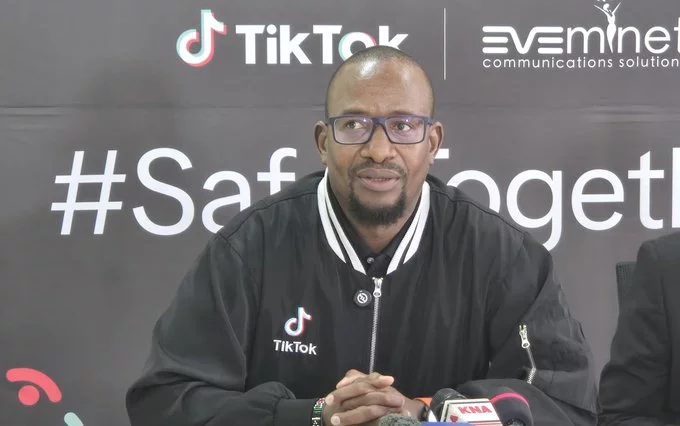
TikTok's AI Push Reaches Kenya: New Literacy Hub, Spam Detection, and Transparent AI Labels
-
2 minutes, 58 seconds
TikTok's Latest AI Push Comes to Kenya: What It Means for Users
TikTok's latest AI push reaches Kenya with a new literacy hub, alongside stronger spam detection and clearer labels for AI-generated content. The platform is betting that transparency will matter as much as the technology itself. This move aims to make the app safer, more trustworthy, and easier to understand for millions of users in Kenya and beyond.
What Is the New AI Literacy Hub?
TikTok has launched an AI Literacy Hub in Kenya. This is a dedicated space within the app where users can learn about artificial intelligence. The hub explains how AI works, how it affects content on TikTok, and how to spot AI-generated videos or images.
Key features of the AI Literacy Hub include:
- Simple guides on AI basics
- Tips to identify AI-generated content
- Information on how TikTok uses AI for recommendations
- Resources to help users stay safe online
This hub is part of TikTok's broader effort to educate users and build trust. By offering clear, easy-to-understand information, TikTok hopes to reduce confusion and misinformation.
Stronger Spam Detection for a Safer Experience
Alongside the literacy hub, TikTok is rolling out upgraded spam detection tools. These tools use AI to find and remove fake accounts, spam comments, and harmful bots. The goal is to keep the platform clean and enjoyable for real users.
How the new spam detection works:
- AI scans for patterns of spam behavior
- Fake accounts are flagged and removed faster
- Users see fewer irrelevant or malicious comments
- Reporting tools are improved for manual flagging
This update is especially important in Kenya, where social media usage is growing rapidly. With more users online, spam and scams can become bigger problems. TikTok's enhanced detection helps protect the community.
Clearer Labels for AI-Generated Content
Transparency is a major focus of TikTok's latest update. The platform now requires clearer labels on all AI-generated content. If a video or image is created using AI tools, it must be marked as such. This helps viewers know what is real and what is not.
Examples of AI-generated content that need labels:
- Deepfake videos
- AI-created artwork or animations
- Synthetic voices or speech
- AI-edited photos
Why this matters: Misinformation can spread quickly when users cannot tell if content is real. Clear labels empower users to make informed decisions. TikTok is following a global trend where platforms prioritize honesty about AI use.
Why Transparency Matters as Much as Technology
TikTok's approach shows that technology alone is not enough. People need to trust how AI is used. By combining new AI tools with education and transparency, TikTok is building a more responsible platform.
Benefits for users in Kenya:
- Better understanding of AI
- Reduced risk of scams
- More trustworthy content
- Improved overall experience
For creators, this means clearer guidelines. For viewers, it means less confusion. For everyone, it means a safer digital space.
Tips for TikTok Users in Kenya
To make the most of these updates, here are a few simple tips:
- Visit the AI Literacy Hub to learn more
- Report suspicious accounts or spam
- Look for AI labels before sharing content
- Stay curious and ask questions about what you see
These small actions can help you enjoy TikTok while staying safe and informed.
TikTok's latest AI push reaches Kenya with a new literacy hub, alongside stronger spam detection and clearer labels for AI-generated content. This is a positive step toward a more transparent and user-friendly platform. As AI continues to evolve, TikTok is showing that honesty and education are just as important as innovation.



Contact Information





Suggested Writers
-

2.5K articles
-

1.3K articles
-

34 articles
-

28 articles



Comment