
Alerts
-
3 minutes, 25 seconds
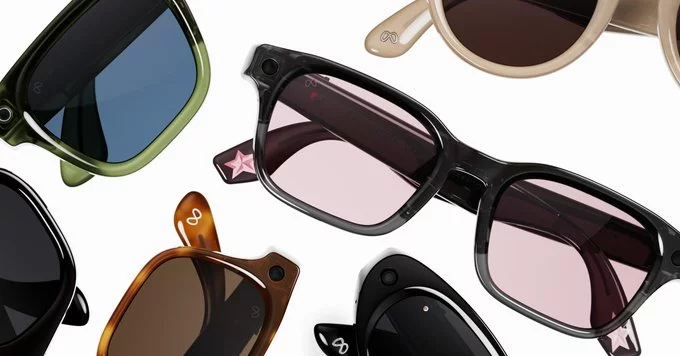
Meta used this year's Connect keynote to refresh two corners of its hardware lineup at once, unveiling a lightweight VR wearable alongside a new generation of Ray-Ban Meta smart glasses that drops the camera entirely. The pairing marks a notable shift for the company: rather than chasing a single flagship device, Meta is now shipping distinct wearables aimed at different parts of the day.
The VR wearable leans into comfort and portability, positioning itself as something users can put on without the bulk associated with traditional headsets. The glasses take the opposite approach, stripping out the camera that defined the previous Ray-Ban collaboration and reframing the product around what remains.
Together, the two announcements sketch out a broader strategy. Meta is spreading its bets across form factors and feature sets, testing which combination of immersion, discretion, and everyday wearability its customers will actually adopt. Full details on each device follow below.
Among the headline reveals at Meta Connect was a new lightweight VR wearable from Meta. The device drew attention for its reduced bulk, signalling a shift toward more comfortable, everyday-friendly hardware rather than the heavier headsets that have defined earlier generations of virtual reality.
Meta positioned the wearable as part of its broader push to make immersive technology easier to wear for longer stretches. By trimming weight, the company appears to be addressing one of the most common complaints about VR: that extended sessions become uncomfortable. A lighter form factor could also make the device more appealing to people who have so far avoided VR entirely.
The announcement fits neatly alongside Meta's other wearable news at the event, where the company continued expanding its lineup beyond traditional headsets. Together, these products suggest Meta is betting that the future of its wearables lies in devices light enough to blend into daily life. For anyone tracking the company's hardware ambitions, this lightweight VR wearable is a clear statement of direction — and a sign that comfort, not just capability, is now a central design goal.
Among the hardware shown at Meta Connect were Ray-Ban Meta smart glasses that ship without a camera. The new model keeps the familiar eyewear form factor while removing the imaging hardware entirely.
By dropping the camera, Meta is addressing one of the most persistent criticisms aimed at camera-equipped glasses: the unease that bystanders feel when someone nearby may be recording. A camera-free version offers the same hands-free access to Meta AI and audio features without that concern.
The trade-off is clear. Users who relied on the glasses to capture photos and short videos on the go lose that capability, and the device becomes a more limited product focused on listening and voice interaction rather than capture.
Positioning a camera-free option alongside the existing lineup gives buyers a choice based on comfort rather than cost, and it signals that Meta is willing to segment its smart glasses range to reach people who were previously put off by the camera altogether.
Both announcements arrived as part of this year's Meta Connect, and together they show how broadly Meta is now thinking about wearable devices. Rather than betting on a single form factor, the company is widening its lineup in two directions at once.
On one side sits the new lightweight VR wearable, aimed at making mixed reality hardware easier to wear for longer stretches. On the other sits the camera-free Ray-Ban Meta smart glasses, which strip the product back to its essentials. The contrast is deliberate: one device pushes deeper into immersive computing, while the other keeps things simple and familiar.
The result is a portfolio that covers more ground than before. Meta now has room to serve users who want full mixed reality experiences and users who simply want smart eyewear without a camera. That range could help the company reach audiences that a single device never could, and it positions wearables as a core part of Meta's hardware strategy rather than a side experiment.










Comment