Alerts

-
3 minutes, 21 seconds
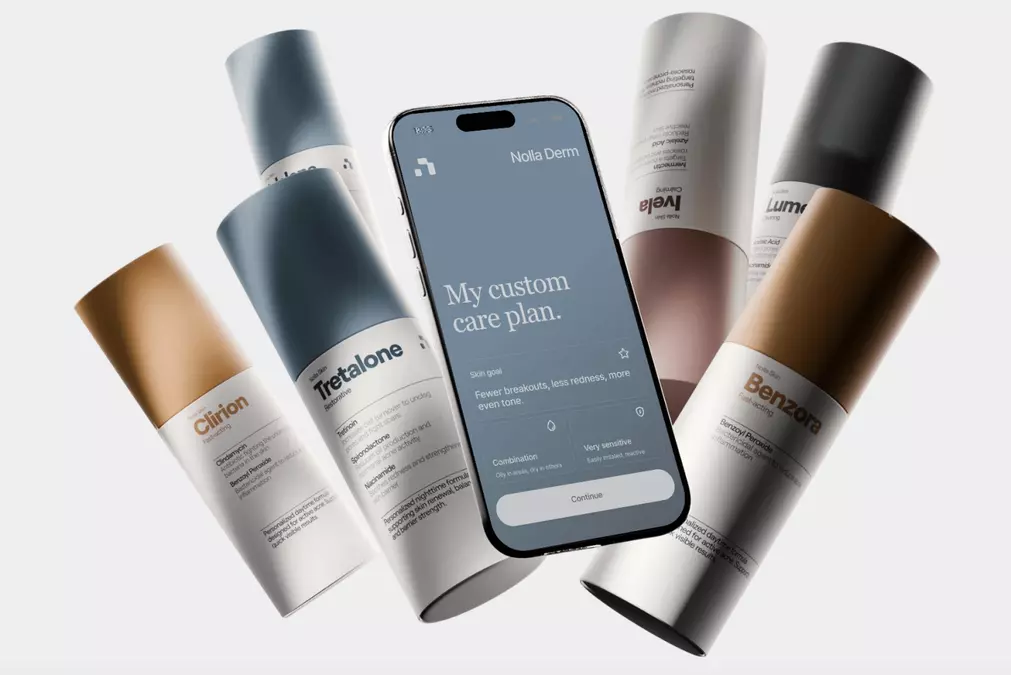
Utah has become the first state to approve a system that lets an AI tool diagnose a skin condition and write a prescription without a doctor reviewing the case first. The state signed off on Nolla Health's technology, which scans a user's face and, if it detects acne, issues a prescription directly.
The decision marks a notable shift in how regulators are treating software that performs work long reserved for licensed clinicians. Rather than requiring a physician to sign off on every order, Utah's approval allows the AI to act on its own for this specific condition.
Acne is a common and generally low-risk condition, which may help explain why it became an early test case for autonomous prescribing. Still, the move raises questions about where states will draw the line between routine care that software can handle and cases that need human judgment.
For now, Utah's green light gives Nolla Health a foothold in a regulatory landscape that has, until recently, kept AI firmly in a supporting role.
Nolla Health's system is built around a simple premise: the face is the diagnostic input. Rather than asking a patient to describe their breakouts in a questionnaire, the platform uses AI to scan the user's face, analysing visible skin to assess the acne before any prescription is issued.
The company has reportedly raised $8 million to develop the technology, which is designed to issue an acne prescription directly to the user. In other words, the scan is not merely a triage step that routes someone to a clinician — it is the basis for the prescription itself.
That makes the face scan the clinical gateway of the entire service. The AI must judge what it sees on the skin, decide whether a prescription is appropriate, and then generate that prescription without a traditional in-person consultation standing between the patient and the treatment.
Utah's decision to greenlight the approach means this pipeline can now operate within the state's regulatory framework, with the AI assessment serving as the foundation for the prescription that follows.
Nolla Health's launch in Utah is a notable development in AI-driven healthcare: the startup is issuing AI-generated acne prescriptions, with licensed clinicians reviewing each one. The company reports that its AI can evaluate a patient's skin in seconds and produce a recommendation, while a human clinician retains the final say before any prescription is written. That division of labour is the model's central claim.
For AI prescribing more broadly, the significance lies less in acne than in the template. A state has allowed an AI system to sit inside the prescribing chain, not merely alongside it, and the guardrail is human sign-off rather than human authorship. If the approach holds, it could extend to other conditions where diagnosis is visual and treatment is routine. It also sharpens the questions regulators will face: how much review counts as review, and whether speed of assessment can be reconciled with the duty of care that prescribing has always carried.
Utah's approval marks the first time an AI system has been cleared to issue prescriptions directly to patients, and it positions Nolla Health at the front of a small but growing field. Under the arrangement, the company's AI can evaluate a user's skin condition and generate an acne treatment prescription without a physician signing off on each individual case.
That shift raises the obvious question of what comes next. Acne is a narrow, well-understood condition, which likely made it a natural first test case. If the model performs as expected, similar pathways could open for other routine ailments where the diagnosis and treatment are equally standardized.
For now, the road ahead runs through Utah. How regulators in other states respond, and whether patients embrace a prescription written by software rather than a clinician, will determine how quickly this model spreads.













Comment