
Alerts
-
3 minutes, 54 seconds
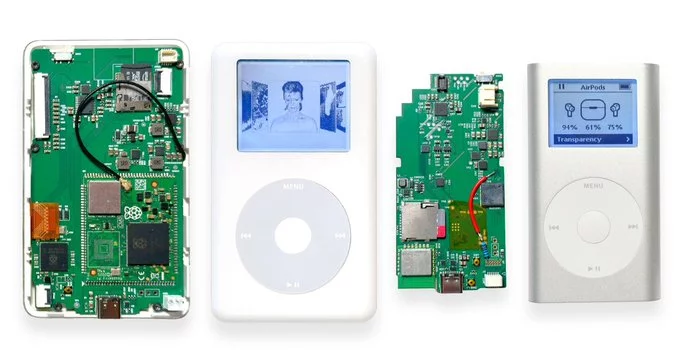
A replacement motherboard gives a classic iPod access to features that weren’t part of its original design. The upgrade brings modern conveniences to familiar hardware, aiming to preserve the feel of using an iPod while making it more capable today.
Among the additions are Bluetooth audio, USB-C, and support for streaming services. Together, these features offer new ways to listen and connect: Bluetooth lets the iPod work with wireless headphones, while USB-C provides a modern charging connection. Streaming support expands the music available beyond what is stored on the device.
The motherboard is also designed to work with the iPod’s existing controls and interface. That means the upgrade is not simply about adding new technology; it keeps the classic iPod experience at the center. For owners who enjoy the original device but want options associated with newer players, the replacement board combines old and new in one package.
The central question is whether adding streaming to an iPod makes it more useful—or weakens the very appeal of carrying one. Streaming offers access to a vast library without first loading every album onto the device. But an iPod has traditionally meant something different: a personal music collection you can take with you, without depending on a subscription or an internet connection.
That distinction matters when considering a replacement motherboard with streaming capabilities. The upgrade could make an iPod more versatile, but versatility is not automatically an improvement. If the experience starts to resemble using a phone to browse a streaming service, the reason to reach for a dedicated music player may become less clear. The appeal of an iPod can lie in choosing what to put on it, then listening without the distractions or ongoing choices that come with a seemingly endless catalogue.
So the question is not simply whether streaming can be added. It is whether it complements the iPod’s focused, personal character or changes it into something its fans were trying to leave behind. For some listeners, having both local music and streaming may be the ideal balance; for others, keeping the device offline may be the point.
The new board changes an iPod classic from a device tied to its original storage and battery into one that can better suit how its owner listens today. Support for a larger battery can mean less frequent charging, while compatibility with flash storage makes it possible to replace the original hard drive. Together, those changes can make the player more practical for everyday use without changing its familiar, dedicated purpose.
Bluetooth support is the biggest shift in how people can use it. Instead of relying only on a wired connection, listeners can pair the iPod with wireless headphones or speakers. The board also adds USB-C, giving the player a more current charging connection. These features do not turn the classic into a modern streaming device: it remains centered on music stored on the iPod. That can appeal to people who want wireless listening and easier charging while keeping their music library and listening routine in their own hands.
In practice, the upgrade is less about adding apps or changing the interface than removing some old limitations. The click wheel and straightforward music-player experience remain, but the device becomes easier to maintain and more flexible to use with current accessories.
Modernizing an iPod classic can make it more useful without turning it into a different kind of player. A replacement motherboard adds features such as Bluetooth, USB-C and support for streaming services, bringing the familiar device closer to current expectations. But each addition raises a question: is the goal to update the iPod, or to preserve the reason it still appeals?
Part of the classic’s character is its simplicity: a dedicated music player with a distinctive design and a focused experience. Streaming can expand the available library, but it may also shift attention away from owning music and choosing what to carry. Bluetooth and USB-C can make everyday use more convenient, yet the player’s original appeal does not depend on having every modern feature.
The most satisfying upgrade may be one that treats those features as options rather than a replacement for the iPod’s identity. Keeping the familiar interface and the sense of a device made for listening lets modernization serve the experience, not overwhelm it. For owners, the balance is personal: add enough convenience to keep the iPod in use, while preserving what made it feel distinct in the first place.










Comment