Alerts

-
2 minutes, 24 seconds
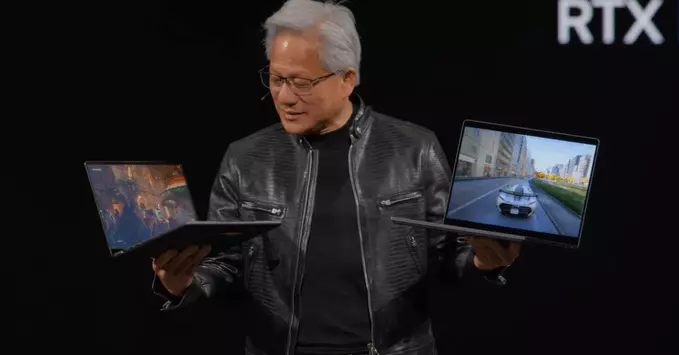
Windows is about to have its M1 moment — a major shift in performance and efficiency similar to what Apple achieved with its M1 chips. However, this leap forward will come with a hefty price tag. In simple terms, the next generation of Windows PCs, powered by Arm-based processors from Qualcomm and other manufacturers, promises faster speeds, longer battery life, and better integration with cloud services. But if you want to upgrade, expect to pay significantly more than current Windows laptops.
Apple’s M1 chip revolutionized the Mac by combining CPU, GPU, and memory into a single system-on-a-chip (SoC). This made Macs faster, cooler, and more power-efficient. Now, Windows is following a similar path with Arm-based processors, like the Qualcomm Snapdragon X Elite. These chips aim to deliver comparable performance gains for Windows laptops and tablets.
New technology always comes at a premium. Early Arm-based Windows devices are expected to cost 20–30% more than comparable x86 models. For example, a typical $800 Windows laptop could jump to $1,000–$1,200. The reasons include:
If you need a new PC urgently, current Intel or AMD laptops are still excellent and more affordable. But if you can wait 6–12 months, the first wave of Arm-based Windows PCs will offer a glimpse of the future. Early adopters will pay more, but prices should drop as competition increases.
When Apple launched the M1 MacBook Air in 2020, it started at $999 — the same as the Intel model it replaced. Windows makers, however, are likely to charge a premium because they’re playing catch-up. For example, the Surface Pro 10 with Arm is rumored to start at $1,299, while the current Intel version is $999.
Windows’ M1 moment is real, and it will change how we use PCs. But the initial cost will be high. If you value cutting-edge performance and battery life, it’s worth the investment. For everyone else, patience pays off. Keep an eye on reviews and price drops before making a decision.









Comment