
Alerts
-
5 minutes, 5 seconds
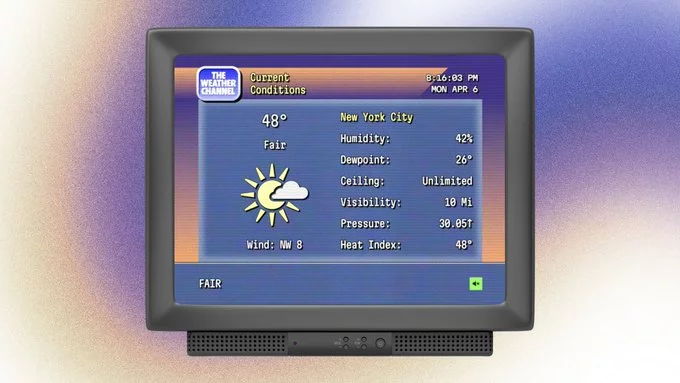
The Weather Channel has rolled out two major digital upgrades that are reshaping how users experience weather forecasting in 2026. From a nostalgic Retro Forecast interface inspired by classic television weather graphics to an advanced AI-powered Storm Radar assistant, the platform now offers both simplicity and cutting-edge intelligence. Users searching for more control, clarity, and personalization in weather updates are finding these tools especially useful. The update also reflects growing demand for customizable forecasting experiences that balance human-friendly design with artificial intelligence support today right now.
Retro Forecast brings back the charm of classic television weather broadcasts designed for users who miss simpler and more visual weather presentations. Instead of complex dashboards it recreates the look and feel of 1990s-era forecast screens with bold graphics smooth animations and familiar map transitions. This feature appeals to users who prefer a less technical and more intuitive weather experience. It also helps younger audiences understand how weather reports looked before modern app-based forecasting became dominant.
Beyond nostalgia Retro Forecast serves a practical purpose by offering a distraction-free way to check daily conditions. Users can quickly glance at temperature precipitation and wind patterns without navigating layered menus or AI suggestions. This simplicity makes it especially useful for classrooms older devices and users who prefer minimal interfaces. The design encourages faster comprehension while still delivering reliable forecasting data in real time.
At the same time the AI-powered Storm Radar assistant introduces a more advanced layer of forecasting intelligence within The Weather Channel ecosystem. It uses generative AI to interpret storm patterns predict movement and deliver personalized alerts based on user location. Instead of static maps users receive conversational insights that explain weather risks in simple language. This helps people understand severe weather events more quickly and make informed decisions during rapidly changing conditions.
Beyond forecasting accuracy the assistant is designed to improve safety awareness and reduce confusion during emergencies. Users can ask natural questions about storms travel disruptions or rainfall probability and receive clear structured answers. This conversational approach reduces the need to interpret complex radar data manually. It also enhances accessibility for users who may not be familiar with traditional meteorological charts making advanced forecasting more inclusive and user-friendly overall.
This dual rollout reflects a broader shift in digital product design where personalization and user control are becoming essential expectations. By offering both a nostalgic Retro Forecast and a cutting-edge AI assistant The Weather Channel is addressing two very different audience preferences at once. One group values simplicity and familiarity while the other seeks intelligence-driven insights. This balanced approach strengthens user engagement across generations.
As weather apps evolve the integration of AI alongside optional minimal interfaces signals a new era of flexible digital experiences. Users increasingly expect tools that adapt to their preferences rather than forcing a single interaction style. This shift also highlights the importance of transparency reliability and trust in AI-driven forecasting systems. Developers are now focusing on building weather platforms that balance innovation with clarity ensuring users always understand both data and recommendations provided in real time.
Ultimately The Weather Channel’s latest update highlights a major turning point in how people interact with everyday forecasting tools. The combination of Retro Forecast nostalgia and AI-driven intelligence shows that weather platforms no longer have to choose between simplicity and sophistication. Instead they can offer both in one ecosystem.
The result is a more adaptable forecasting experience designed for a wide range of users and everyday real-world needs today's users.









Comment