Alerts

-
3 minutes, 43 seconds
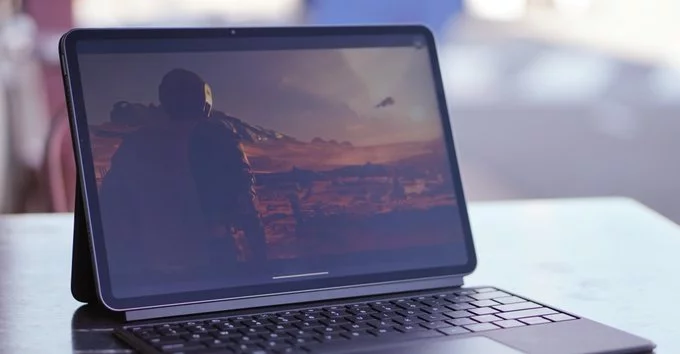
The Fire Max 11 makes a strong first impression with its large, sharp display. Its 11-inch screen has a resolution of 2000 x 1200, so text and images look clear, and it’s bright enough for comfortable viewing indoors. The display is also laminated, which helps make tapping and writing feel more direct. For watching films, reading or browsing, it’s an appealing screen that gives the tablet a more premium feel than its price might suggest.
Amazon has paired the display with hardware that handles everyday use well. The octa-core processor and 4GB of RAM keep routine tasks moving smoothly, including browsing, streaming and switching between apps. There’s enough responsiveness for casual gaming, too, though this isn’t a tablet designed for demanding games or intensive workloads. Battery life is another practical strength: the Fire Max 11 can last through a good stretch of typical use before needing a recharge. Together, the screen and capable performance make it a comfortable tablet for entertainment and everyday tasks.
The biggest change is that the tablet finally runs full Android rather than Amazon’s Fire OS. That makes the experience feel much less restricted: you can use the Google Play Store, giving you access to apps beyond Amazon’s own Appstore. It is a meaningful shift for anyone who has found Fire tablets limiting because of their software.
Full Android also brings a familiar set of Google services. Gmail, Google Maps and Google Photos are available, along with Google Assistant and Google’s parental controls. The tablet supports multiple user accounts, too, so different people in the household can have their own profiles.
There are still some practical limits. The tablet runs Android 11, and its software support is not expected to be as long as the support offered by some competing devices. Some apps may also not be optimized for the tablet’s screen. Even so, moving to full Android is a substantial improvement: it broadens the app selection and makes the device more flexible for everyday use, without removing the convenience of Amazon’s ecosystem.
Installing full Android changes what the tablet can do, but it doesn’t remove Amazon from the picture. The company’s software and services remain a substantial part of the experience, so this is not quite the clean break from Amazon that the presence of Android might suggest. Amazon’s influence is still there, even when the tablet is being used in a more familiar Android way.
That presence is not entirely a drawback. Amazon’s services are part of what the tablet offers, and the hardware has clear strengths. But users who expect full Android to make Amazon’s role disappear may be disappointed. The tablet asks you to balance the flexibility of Android against Amazon’s continued prominence, rather than choosing one environment and leaving the other behind.
In practice, that makes the experience more capable without making it wholly independent of Amazon. Its software and services still shape how the tablet feels, and that can be excessive for anyone hoping for a less Amazon-centred device. Full Android broadens the options, but Amazon remains difficult to ignore.
The tablet’s appeal comes from a combination that is not always easy to find at this price: a gorgeous screen, capable hardware and access to full Android. Those strengths make it more than a device for consuming Amazon content. With Android apps and services available, the experience is less restricted than it would be on a standard Fire tablet, and the hardware is able to make good use of that flexibility.
But Amazon remains a major part of the package. Its apps and services are still prominent, and the tablet’s software experience reflects Amazon’s priorities even with full Android in the mix. That means the added freedom does not erase the sense that this is an Amazon device. For shoppers who want a strong display and functioning hardware alongside a broader Android experience, that balance may be compelling. Those who would rather avoid Amazon’s presence will need to weigh how much its influence matters to them. The key trade-off is clear: capable hardware and a more open Android experience, paired with a tablet that still gives Amazon plenty of room.










Comment