
Alerts
-
3 minutes, 24 seconds
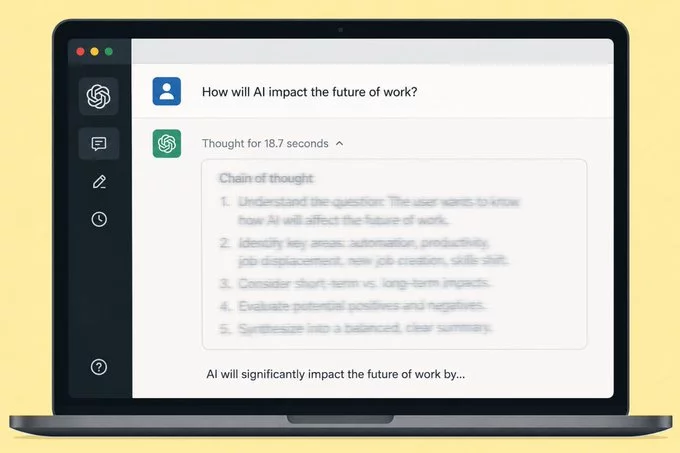
Understanding the vocabulary is the first step. Artificial intelligence (AI) is the broad field of creating machines that can perform tasks that typically require human intelligence. Within AI, machine learning (ML) is a subset where systems learn from data rather than being explicitly programmed for every rule.
Taking this further, deep learning is a specialized subfield of ML that uses layered algorithms inspired by the brain’s structure. These layers form neural networks, which process information in a way that enables pattern recognition at increasing levels of abstraction.
Finally, a large language model (LLM) is a specific type of deep learning model trained on vast amounts of text. It is designed to understand and generate human language, powering applications like chatbots and content creation tools. In essence, an LLM is a neural network scaled up to handle linguistic tasks, making it a cornerstone of modern AI. As you move forward, these terms will recur, so keeping them distinct is helpful.
Generative AI refers to systems that create new content—text, images, audio, or code—based on patterns learned from vast amounts of training data. Instead of simply analyzing or classifying input, these models produce original outputs that mimic human-like creativity. Two prominent examples are GPT (Generative Pre-trained Transformer) for text and DALL-E for images, both developed by OpenAI. GPT generates coherent paragraphs, answers questions, and even writes code, while DALL-E turns natural language descriptions into visual artwork.
To work with these tools, you’ll encounter several key terms. A prompt is the instruction or query you give the model—the more specific and detailed it is, the better the output usually matches your intent. Tokens are the chunks of text the model processes; roughly, one token equals about four characters in English, and pricing or context limits are often measured in tokens. A hallucination occurs when the model confidently produces false or nonsensical information that isn’t grounded in its training data or your prompt. Recognizing these terms helps you use tools like ChatGPT effectively, but remember that outputs should always be verified for accuracy.
Beyond the hype, AI is already embedded in daily tools. Chatbots handle customer service queries, while image generators create visual drafts for designers and marketers. These systems rely on vast datasets and neural networks to produce outputs that mimic human creativity and conversation.
However, real-world deployment surfaces critical ethical challenges. Bias can creep into models when training data reflects historical inequalities, leading to unfair outcomes in hiring or lending. Alignment refers to the technical effort to ensure an AI’s goals and behaviors match human intentions—a hard problem when goals are ambiguous. This is where responsible AI comes in: a framework of practices—such as auditing datasets, documenting model limitations, and building in human oversight—to mitigate harm. For example, a company might test a chatbot for biased language or restrict an image generator from producing violent content. These steps do not eliminate risk, but they make deployment more accountable. As tools become more accessible, understanding these terms is essential for evaluating both the power and the pitfalls of what we build.
Beyond technical definitions, the AI conversation is filled with informal terms and hype. AGI, or artificial general intelligence, refers to a hypothetical AI that matches or exceeds human cognitive abilities across all tasks—unlike today’s narrow AI, which excels at specific jobs like translation or image recognition. The singularity is a related, more speculative concept: a future point where technological growth becomes uncontrollable and irreversible, often linked to AGI surpassing human intelligence and leading to profound, unpredictable societal changes.
Surrounding these ideas is AI hype, which describes the exaggerated marketing and media narratives that overstate current capabilities. This hype often conflates narrow tools with AGI, creating unrealistic expectations. As the source explains, distinguishing between actual capabilities and speculative buzzwords is crucial for informed public discussion and policy, preventing both undue fear and blind optimism.









Comment