Alerts

-
3 minutes, 25 seconds
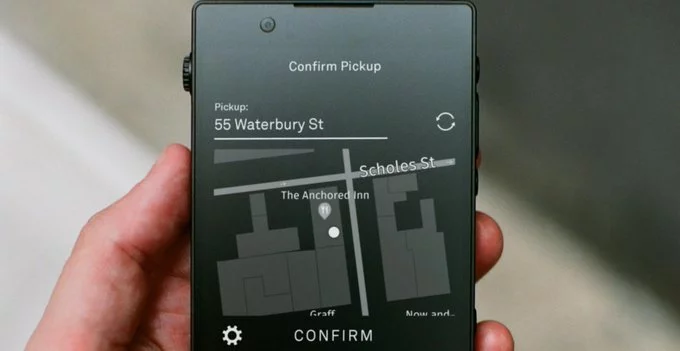
The Light Phone has always been a deliberately limited device, but that list of limits is about to grow in one practical direction. The company is adding access to rideshare services on its monochrome Light phones, giving users a way to summon a car without reaching for a smartphone.
It is a notable addition because it does not abandon the phone's core philosophy. Rideshare access is a utility, not a feed or a social network, so it fits the device's stated aim of covering essential tasks while leaving everything else behind. For anyone who has tried to live with a Light Phone, transportation has often been the sticking point that forced them to keep a second device around.
Details on which specific services will be supported, and when the feature will arrive, are still limited. What is clear is that the company sees rideshare as the kind of function its users genuinely need, rather than the kind of distraction they are trying to escape.
The most striking thing about the Light Phone III is what you see — or rather, what you don't. The phones feature a monochrome display, a deliberate choice that strips colour from the screen entirely. Rather than a vivid, attention-grabbing panel, the device presents everything in shades of grey, keeping the interface visually quiet.
This design decision fits the company's broader philosophy. A monochrome screen is less stimulating than a full-colour one, and it makes the phone feel like a tool rather than a toy. There are no bright app icons competing for attention, no colourful notifications pulling the eye, and no glossy visuals encouraging endless scrolling.
The result is a display that does exactly what it needs to do and nothing more. Text, calls, and essential functions remain perfectly legible, but the screen never tries to entertain you. For anyone accustomed to the vibrant, saturated displays of modern smartphones, the monochrome look can feel almost jarring at first — and that is precisely the point.
The Light Phone's core promise hasn't changed: fewer feeds, fewer notifications, less noise. The new rideshare access doesn't alter that philosophy. It adds a practical tool while keeping the device deliberately limited.
This matters because the Light Phone was never designed to compete with a smartphone on features. It was designed to do less, on purpose. Users still won't find an endless social feed, a crowded home screen, or a constant stream of alerts pulling for attention.
The distinction is simple:
What hasn't changed is the restraint. Notifications remain minimal, and the experience stays intentionally quiet. The addition of rideshare doesn't open a door to app stores, feeds, or engagement loops.
For anyone drawn to the Light Phone because it resists the attention economy, that consistency is the point. The device still asks you to look up, not scroll.
For anyone who has wanted to leave the smartphone behind without losing the ability to get around, this is the practical payoff: rideshare access on a device that still refuses to become a feed. You can summon a car when you need one, then put the phone back in your pocket without a stream of notifications pulling you back to the screen.
The combination matters because it removes one of the most common reasons people give for keeping a smartphone. If the only thing tethering you to a full app ecosystem is the occasional ride, that tether is now gone. The Light Phone still keeps feeds and notifications minimized, so the trade is straightforward: you gain a useful tool, not a new habit.
In practice, that means fewer moments where a quick errand turns into twenty minutes of scrolling. The device stays quiet by default, and the features you do have are the ones you deliberately reach for. Rideshare access fits that philosophy rather than undermining it.





Comment