
Alerts
-
7 minutes, 8 seconds
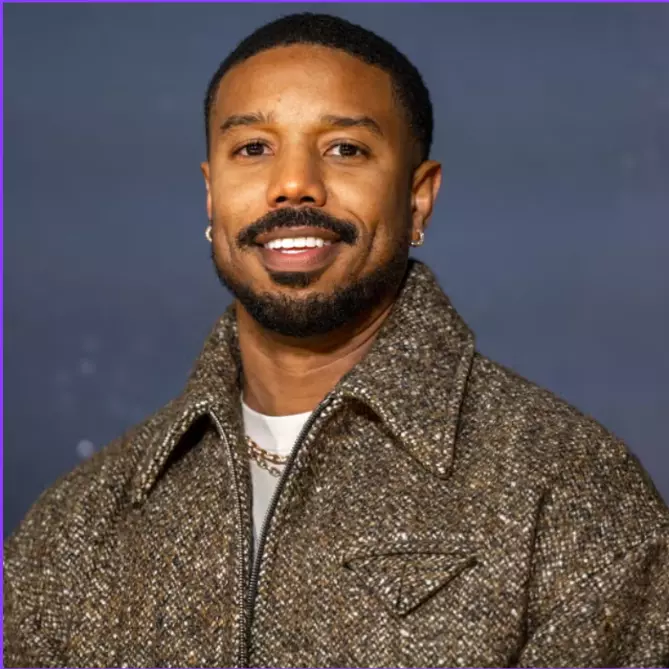
Michael B Jordan’s story is a testament to the power of early exposure, disciplined craft, and strategic evolution, tracing a path from childhood modeling gigs to Oscar-winning performances and a successful directorial debut. His career is defined not by overnight success but by a steady accumulation of skills, relationships, and opportunities that positioned him as one of Hollywood’s most respected and influential figures Click here.
Michael Bakari Jordan was born on February 9, 1987, in Santa Ana, California, and raised primarily in Newark, New Jersey, where his parents worked steady jobs that emphasized discipline and creativity. His mother worked at an arts magnet school in Newark, while his father held various roles, including running a catering business, creating a household that balanced practicality with artistic ambition. Growing up, Jordan faced bullying at school, partly because he shared a name with basketball legend Michael Jordan and partly because he was open about his dream of becoming an actor, a goal that felt outsized for a kid from his neighborhood.
Rather than retreat, he leaned into performance and found early validation through modeling. At age ten or eleven, a family friend suggested he try modeling, which led to print ads and commercials for brands like Toys “R” Us and Modell’s Sporting Goods. This early exposure to cameras and sets planted the seed for his acting career, teaching him comfort in front of the lens and introducing him to the mechanics of the entertainment industry long before he landed his first speaking role. Modeling gave Jordan a sense of confidence and professionalism that would serve him well as he transitioned into acting, providing a foundation of discipline and work ethic that defined his approach to every project.
Jordan attended Newark Arts High School, an environment that nurtured his artistic instincts, and later studied at the University of North Carolina School of the Arts before committing fully to acting. His teenage years were marked by small television roles and the kind of grind that defines most actors’ early careers, but even then, there was a sense of purpose and direction in his choices. He was not chasing fame so much as mastery, building a foundation of craft that would support the weight of the iconic roles to come.
Jordan’s professional acting career began in 1999 with brief appearances in episodes of Cosby and The Sopranos, but his true breakout came in 2002 when he was cast as Wallace in the first season of HBO’s landmark crime drama The Wire. Wallace, a thoughtful young drug dealer caught in the brutal economics of Baltimore’s streets, became one of television’s most tragic and memorable characters, and Jordan’s nuanced performance announced him as a talent to watch. The role earned him critical praise and industry attention, establishing a template for the kind of emotionally complex, socially resonant characters he would continue to seek out.
After The Wire, Jordan built a steady television resume, including a role as Reggie Montgomery on the soap opera All My Children and a standout turn as Vince Howard on Friday Night Lights from 2009 to 2011. Vince, a talented but troubled quarterback taken under the wing of Coach Taylor, showcased Jordan’s ability to embody vulnerability, defiance, and growth all at once, earning him a Screen Actors Guild Award nomination for ensemble performance. These television roles honed his craft and expanded his audience, but it was film that would catapult him into the upper echelon of Hollywood actors.
Jordan’s film breakthrough arrived in 2013 with Fruitvale Station, directed by Ryan Coogler, who specifically wrote the lead role of Oscar Grant with Jordan in mind after being impressed by his work on The Wire. The film, based on the true story of a young Black man fatally shot by police at an Oakland BART station, was a critical sensation, and Jordan’s raw, empathetic portrayal of Oscar earned him widespread acclaim and multiple Best Actor awards from critics’ circles. Fruitvale Station marked the beginning of Jordan’s long-standing creative partnership with Coogler, a collaboration that would define much of his career and push him into increasingly ambitious territory.
The momentum from Fruitvale Station carried Jordan into bigger projects, including his role as Adonis Creed in the 2015 revival of the Rocky franchise, again directed by Coogler. As the son of Apollo Creed, Jordan brought physical intensity and emotional depth to the character, earning comparisons to Sylvester Stallone and establishing himself as a legitimate leading man capable of anchoring a major franchise. He followed this with a career-defining turn as Erik Killmonger in 2018’s Black Panther, a villain whose ideological complexity and charismatic menace made him one of Marvel’s most memorable antagonists. Killmonger was not just a foil for T’Challa, but a mirror to the film’s themes of identity, diaspora, and justice, and Jordan’s performance elevated the character into a cultural icon.
Throughout this period, Jordan also expanded his influence behind the camera, founding his production company, Outlier Society, in 2016 to champion diverse storytelling and inclusive hiring practices. He produced projects like Just Mercy and the Creed sequels, demonstrating a commitment to using his platform to uplift underrepresented voices and stories. His career was no longer just about acting; it was about shaping the industry itself, one project at a time Read more.
In 2023, Jordan took the next logical step in his evolution as a filmmaker, making his feature directorial debut with Creed III, the third installment in the Rocky spinoff franchise he had headlined since 2015. The film, which he also starred in and produced, marked a significant milestone in his career, showcasing his ability to helm a major franchise while maintaining the emotional authenticity and visual innovation that defined his earlier work. Creed III grossed over $275 million worldwide, proving Jordan’s viability not just as an actor but as a director capable of delivering both critical and commercial success.
As a director, Jordan emphasized character-driven storytelling, focusing on the emotional arcs of his characters while pushing the boundaries of the sports drama genre. The film explored themes of friendship, betrayal, and redemption, with Jordan’s Adonis Creed facing off against a childhood friend turned rival, played by Jonathan Majors. Jordan’s direction was praised for its visual flair, emotional depth, and confident pacing, earning him recognition as a filmmaker to watch.
Creed III was not just a personal triumph for Jordan but a historic moment for representation in Hollywood, as he became one of the few Black directors to helm a major studio franchise film. His success behind the camera opened new doors for diverse voices in the industry, demonstrating that actors could successfully transition into directing without sacrificing their artistic vision or commercial appeal. The film’s success also solidified Jordan’s partnership with Ryan Coogler, whose mentorship and collaboration had been instrumental in shaping his career.
Jordan’s directorial debut was a natural extension of his work as an actor and producer, reflecting his commitment to storytelling that resonates on both personal and cultural levels. It also positioned him to take on even more ambitious projects as both an actor and a creator, with several films and television initiatives in development through Outlier Society. As he moves into the next phase of his career, Jordan’s influence is likely to extend even further, shaping the industry for years to come.
Michael B. Jordan’s story is more than a list of roles and accolades; it is a testament to the power of persistence, craft, and vision, a reminder that success is built through years of deliberate effort and smart choices. From his childhood modeling gigs to his Oscar-winning performances and directorial debut, every phase of his career reflects a commitment to growth, representation, and storytelling that resonates on both personal and cultural levels.
His journey from a bullied kid in Newark to one of Hollywood’s most respected figures has inspired countless young actors, especially those from underrepresented backgrounds, showing that it is possible to rise from modest beginnings to the highest heights of the industry without compromising one’s values or vision. His work with Outlier Society and his advocacy for inclusion have helped shift industry norms, making space for more diverse voices and stories.



Comment