Alerts

-
3 minutes, 39 seconds
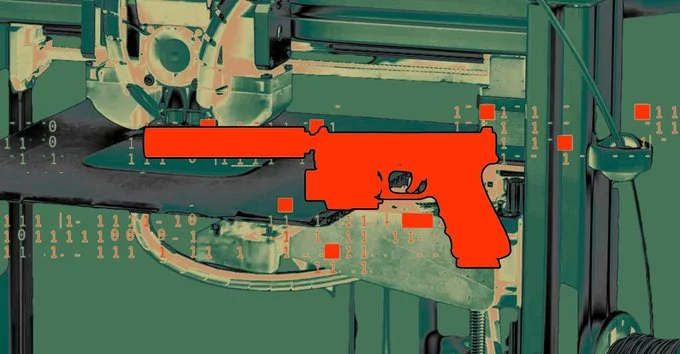
The ‘Hochulization’ tool is a proposed software utility, named as a pointed reference to New York Governor Kathy Hochul. Its stated purpose is to subvert or bypass the specific gun-blocking software that New York has proposed mandating for 3D printers.
According to the source, the tool’s name is a deliberate play on the governor’s surname, implying that it would “Hochulize” a printer—effectively neutralizing the state’s intended restrictions. The purported function is to allow a printer to operate normally, ignoring any digital commands or firmware checks that would halt the production of firearm components. The tool is framed by its creators as a direct countermeasure to the proposed state-level software, positioning it as a workaround for hobbyists and makers who oppose the regulation. Its existence highlights the ongoing tension between legislative efforts to control distributed manufacturing and the technical community’s pushback.
The tool’s creators claim it bypasses the software’s restrictions by exploiting a fundamental weakness in the proposed system: its reliance on local verification rather than continuous online authentication. According to the source, the tool works by “spoofing the device’s hardware signature” to mimic an approved, non-restricted configuration. This spoofing occurs before the software’s initial check, allowing the user to load an alternative operating environment that the software cannot recognize as subject to its rules.
More specifically, the claimed method involves three steps:
The developers assert this works because the software’s restrictions are “only as strong as the first handshake”—once the initial verification passes, the system trusts the session. They do not claim to alter the software itself, only the environment it perceives. As the source notes, the tool is presented as a technical workaround that “does not fight the law, but the code.”
New York’s legislative proposal aims to mandate a specific type of “smart” technology for newly manufactured handguns sold within the state. The software would rely on geofencing and biometric recognition to restrict a firearm’s functionality. Its intended function is to render a gun inoperable in two distinct scenarios: when it is carried into a designated “sensitive location” (such as schools or government buildings) and when it is handled by anyone other than its verified, authorized user.
Under the proposal, the gun would only fire for its registered owner, using fingerprint or grip-pattern recognition. If the weapon crosses a geofenced boundary, the software would automatically engage a digital lock, preventing the trigger from being pulled. The bill’s sponsors frame this as a preventative measure, arguing that it could reduce accidental shootings by children and curb the use of stolen firearms in crimes. The proposal does not apply to existing guns, focusing solely on future sales. Notably, the legislation leaves the technical implementation to manufacturers, requiring them to meet the performance standard without specifying a particular brand or design.
Civil liberties groups and legal experts have raised immediate alarms. The New York Civil Liberties Union called the proposal “deeply troubling,” arguing that automated scoring of public comments could chill free expression by discouraging residents from submitting detailed or emotional testimony. Concerns also center on transparency: the tool’s underlying algorithm is proprietary, meaning officials cannot fully explain to the public why a particular comment was flagged as “not relevant.”
Authorities have offered reassurances. A city spokesperson emphasized that the software is “only a triage aid” and that no comment would be discarded solely on its recommendation. However, critics point to a lack of published performance data and note that similar AI moderation tools have shown bias against non-native English speakers. One council member warned that relying on such a system, even as a filter, could “systematically silence the most vulnerable voices” before a human ever reads them.










Comment