
Alerts
-
3 minutes, 25 seconds
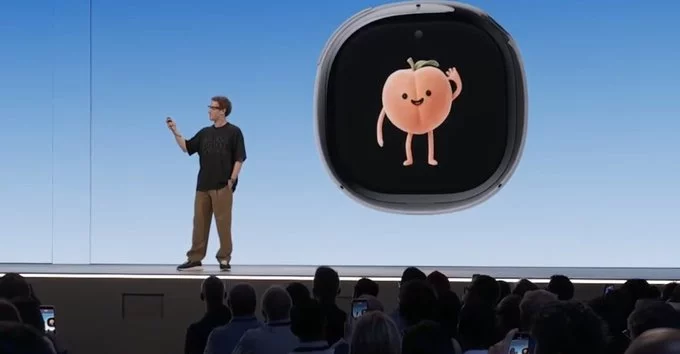
Bloomberg reports that a handheld gadget is set to be released, designed specifically for interacting with Muse AI. The device represents a new category of hardware built around Meta's AI assistant, moving Muse beyond the screen and into a dedicated, portable form factor.
Details remain limited, but the announcement signals Meta's intent to give Muse AI a physical presence that users can carry with them. Rather than relying solely on phones, glasses, or other existing devices, this handheld gadget would serve as a purpose-built gateway to the assistant.
The news, first surfaced by Bloomberg, positions the gadget as a companion device rather than a replacement for existing hardware. It is expected to work alongside Muse AI's broader ecosystem, offering users a more direct and tactile way to engage with the assistant throughout the day.
Meta has not yet confirmed pricing, availability, or a full feature list. Even so, the report marks a notable step in the company's push to embed Muse AI into everyday life through dedicated hardware.
One of the most notable hardware details revealed in the announcement is that the Muse AI handheld gadget will ship with a built-in 5G modem. Rather than relying solely on a paired smartphone or a local Wi-Fi network, the device is designed to connect directly to cellular infrastructure on its own.
That design choice matters for a gadget of this size and category. A dedicated 5G modem means the handheld can reach online services, sync data, and stay reachable without tethering to another device. It positions the Muse AI as a standalone connected product rather than an accessory that borrows its connectivity from something else in your bag.
It is worth noting what the announcement does not say. The source material gives no details on which 5G bands are supported, which carriers the device will work with, expected data speeds, or whether cellular service will require a separate subscription or plan. Those specifics remain unconfirmed for now.
What is clear is that always-available connectivity is being treated as a core feature of the Muse AI hardware, not an optional add-on.
The built-in 5G modem lets you interact with Muse AI even when there is no internet connection available. This means the handheld gadget does not depend on a local Wi-Fi network or a paired smartphone to reach the AI.
Because the modem is integrated into the device itself, Muse AI can connect directly to a cellular network. In practice, that allows conversations with the AI to continue in places where Wi-Fi is unavailable, as long as 5G coverage is present.
This design choice sets Muse AI apart from many AI gadgets that rely on a separate connection. Rather than tethering to another device, the handheld carries its own means of communicating with the AI service.
The result is a more self-contained experience: the device, the modem, and the AI work together as one unit. For users who move between locations or spend time away from fixed networks, that independence is the core benefit of the built-in 5G modem.
The report comes from Bloomberg, which broke the news of the Muse AI handheld gadget and its unusual approach to artificial intelligence. According to the source, the device runs its AI features entirely offline, performing its work without sending data to remote servers.
That detail is the heart of the story. Most AI gadgets lean on cloud computing, which means your requests travel to a data center and back. The Muse AI handheld instead keeps its intelligence local, so the device can function without an internet connection at all.
The implications are significant. An offline AI assistant could appeal to users worried about privacy, since nothing needs to leave the hardware. It could also prove useful in places where connectivity is unreliable or unavailable.
Still, questions remain. Bloomberg's report highlights the capability, but the full picture of how well it performs, and what trade-offs come with running AI locally, will only become clear as more details emerge.









Comment