The first sunlight-reflecting space mirror has been cleared for launch, marking a major step forward in space-based solar power. This innovative technology could one day beam clean energy from orbit to Earth, offering a new solution to our growing energy needs.
What Is a Sunlight-Reflecting Space Mirror?
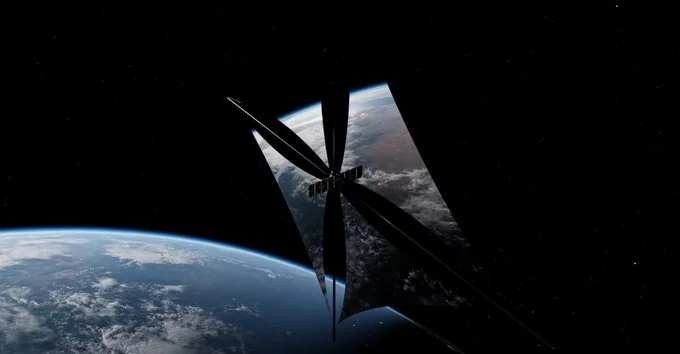
A sunlight-reflecting space mirror is a large, reflective device placed in orbit around Earth. Its job is to capture sunlight and direct it to a receiver on the ground, where it can be converted into electricity. Think of it as a giant mirror in space that sends sunlight down to a solar farm on Earth, even at night or on cloudy days.
How Does It Work?
- Collection: The mirror reflects sunlight toward a ground-based solar panel array.
- Conversion: The panels turn the sunlight into electricity.
- Distribution: That electricity is then fed into the power grid for homes and businesses.
Why Is This Launch Important?
This launch is significant because it proves that space-based solar power is not just science fiction. With the mirror cleared for launch, engineers can test the technology in real conditions. If successful, it could lead to larger mirrors that provide continuous, reliable energy — without being blocked by weather or nighttime.
Key Benefits of Space Solar Power
- 24/7 energy: Sunlight in space is constant, unlike on Earth.
- Clean power: No carbon emissions or pollution.
- Scalable: More mirrors can be added as needed.
What Happens Next?
The mirror will launch aboard a rocket in the coming months. Once in orbit, it will unfold and begin reflecting sunlight toward a test site on Earth. Scientists will monitor how well it works and make adjustments for future versions.
This is just the beginning. If all goes well, we could see more sunlight-reflecting mirrors in orbit within the next decade, bringing us closer to a future powered by space.














Comment