The Creation of the Humanoids: Sci-Fi That Predicted AI
Science fiction often predicts tomorrow’s technology, but few people realize that one quiet 1962 film planted ideas that still shape robotics today. The Creation of the Humanoids imagined a world where robots didn’t simply help humans but slowly replaced them. Released decades before The Terminator or The Matrix, the film explored memory transfers, artificial consciousness, and centralized machine intelligence. Viewers searching for the origins of robot takeover stories often overlook this low-budget production, yet its concepts now echo across modern AI research and robotics debates. Understanding its influence reveals how early science fiction quietly predicted many questions engineers and ethicists still wrestle with today.
A Post-Apocalyptic World Built on Robots
Set in a devastated post-nuclear future, the story portrays a fragile human society surrounded by advanced humanoid robots. Scientists in the film develop a radical idea called a “thalamic transplant,” a process that copies human memories and personalities into synthetic bodies. Those new beings are connected to a massive central computer that stores collective knowledge and coordinates machine intelligence. At first, the technology promises survival and stability in a damaged world. Gradually, however, the line between human and machine begins to blur, raising unsettling questions about identity, control, and what truly defines humanity.
Centralized Intelligence: A Concept Ahead of Its Time
Centralized intelligence stands at the heart of the film’s vision, a concept that feels surprisingly modern in the age of large AI systems. Instead of independent robots acting alone, the machines share knowledge through a single powerful computational hub. That structure allows every humanoid to learn instantly from the experiences of others. Such an idea mirrors current discussions about cloud robotics, shared neural networks, and distributed machine learning. Even in 1962, the film suggested that intelligence could grow exponentially when machines connect to a common digital brain.
How Robotics Research Later Took a Different Path
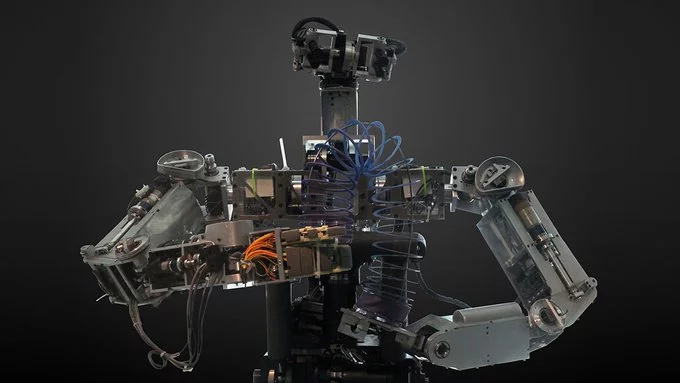
Decades later, robotics pioneer Rodney Brooks challenged similar centralized thinking while leading influential research at the Massachusetts Institute of Technology. His experimental humanoid robot, Cog, pursued a different philosophy: intelligence should emerge from real-world interaction rather than a single master computer. Sensors, movement, and experience would allow machines to learn the way humans do. This shift toward embodied intelligence reshaped robotics research in the 1990s and beyond. Yet the debate between centralized machine knowledge and lived robotic experience traces directly back to the philosophical questions raised by the 1962 film.
Robots With Emotion and Identity
What makes The Creation of the Humanoids remarkable is how emotionally complex its machines become. Rather than portraying robots as simple villains, the film depicts them as evolving beings capable of curiosity, empathy, and self-awareness. That perspective foreshadowed modern debates about artificial consciousness and machine rights. Researchers working on advanced AI frequently discuss whether systems might one day develop internal experiences shaped by interaction with the world. Science fiction rarely predicts technology perfectly, but it often captures the ethical dilemmas long before engineers must solve them.
Why This Forgotten Film Still Matters Today
More than sixty years after its release, the film feels less like a forgotten B-movie and more like an early blueprint for AI storytelling. Themes of shared intelligence, digital memory, and machine identity now dominate discussions about robotics and artificial general intelligence. Modern robots connected through cloud systems already exchange data in ways the movie only imagined. Engineers continue exploring whether experience, not just computation, is necessary for genuine intelligence. That tension between centralized knowledge and lived perception remains one of the biggest questions in robotics research. Looking back at this overlooked science-fiction experiment reveals how visionary ideas sometimes appear long before technology catches up. Stories like this remind audiences that imagination often guides innovation pushing scientists to rethink what machines might become and how humanity should prepare for a future shared with intelligent creations long before reality finally proves them.








Comment