
Trending
Trending Hashtags
Alerts
-
3 minutes, 5 seconds
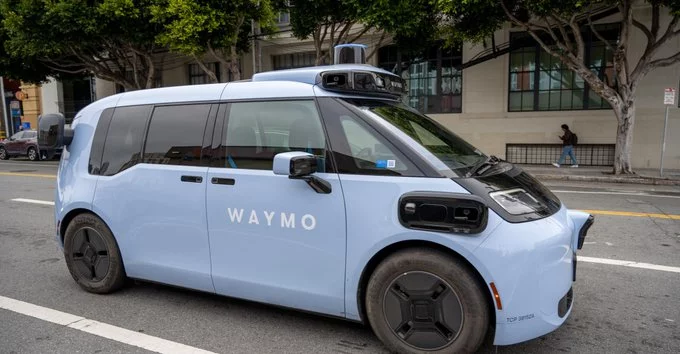
Waymo intends to bring its robotaxi service to Singapore. The Alphabet-owned company has announced plans to launch a commercial robotaxi service in the city-state in 2028, marking a significant step in its international expansion.
The announcement positions Singapore as a key market for Waymo's driverless technology outside the United States. While full details of the rollout have yet to be disclosed, the 2028 target gives the company several years to prepare its operations, vehicles, and regulatory approvals in the region.
Singapore has become an attractive testing ground for autonomous vehicle companies, thanks to its well-maintained roads and supportive regulatory environment. Waymo's entry would place it among the growing number of firms competing to commercialise self-driving ride-hailing services in Asia.
The move reflects Waymo's broader ambition to scale its robotaxi business beyond its existing American markets. If successful, the Singapore launch could serve as a blueprint for further expansion into other international cities in the years that follow.
At the centre of the announcement is a commercial robotaxi service. That means paid rides for passengers, not a free pilot or a research trial. The vehicles are driverless, so there is no human safety driver behind the wheel waiting to take over.
For passengers, the experience is designed to feel like an ordinary taxi booking, except the car drives itself. Riders summon a vehicle, get in, and are taken to their destination without anyone in the front seat operating the controls.
The commercial framing matters because it signals a shift in how the technology is being positioned. Rather than a demonstration project, the service is intended to operate as a business, with customers paying for the trips they take.
Waymo has not yet confirmed the specific vehicle model, pricing, or booking process for Singapore. Those details are expected to emerge closer to launch.
Waymo is owned by Alphabet, the parent company of Google. That corporate lineage places the self-driving technology company within one of the world's largest and best-funded technology groups, giving it access to the kind of long-term capital and technical talent that autonomous driving research demands.
The Alphabet connection also shapes how Waymo is perceived as it enters new markets. Regulators, partners and riders alike can look to the track record of its parent company when assessing the credibility of a service that is still unfamiliar to most consumers.
For Singapore, this backing matters in practical terms. Waymo's Singapore plan involves running a driverless service, and operating such a service requires sustained investment well before it turns a profit. Alphabet's ownership gives Waymo the financial staying power to pursue that goal, rather than depending on short-term funding cycles or the patience of outside investors.
Waymo is targeting 2028 for the launch of its commercial robotaxi operations in Singapore. That timing gives the company room to prepare its technology and local partnerships before vehicles begin carrying paying passengers.
Singapore represents a new market for Waymo's commercial robotaxi operations. Until now, the company's paid service has been associated with cities in the United States, so moving into Singapore would extend its footprint beyond its home market and into Asia.
Because the target year is 2028, the Singapore rollout sits at a different stage from Waymo's existing commercial services. The company has not announced other markets as part of this plan, so Singapore stands as the next named expansion destination.
For now, the key facts are the 2028 target and Singapore's status as a new market. Further details on the service itself, and on the ownership and backing behind the effort, are covered elsewhere in this article.










Comment