
Alerts
-
3 minutes, 14 seconds
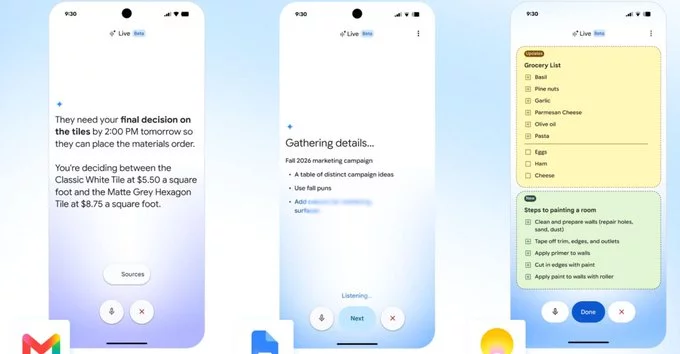
AI voice features are transforming how we interact with technology by enabling hands-free operation through natural spoken commands. Instead of typing or tapping, you can simply ask your device to perform tasks, making it ideal for multitasking, driving, or situations where your hands are occupied. These systems rely on advanced speech recognition and natural language processing to understand and respond to your requests in real time.
The core value lies in three primary functions: fetching information, summarizing content, and transcribing speech. For example, you can ask for the latest news, the weather forecast, or a specific fact without ever touching your screen. Furthermore, AI can condense lengthy articles or meeting notes into concise summaries, saving you time. Most importantly, it converts spoken words into accurate text, enabling effortless note-taking, real-time captioning, and accessible documentation.
AI voice assistants excel at retrieving information on demand, transforming how we interact with data. Instead of typing queries into a search engine or scrolling through documents, you can simply ask a question aloud and receive an immediate, spoken answer. This capability is particularly valuable when your hands are occupied—while cooking, driving, or working on a physical task. The assistant processes your natural language request, accesses relevant databases or the web, and synthesizes a concise response. For example, you might ask for a quick fact like a unit conversion, a weather update, or the latest news headline without ever touching a screen. This hands-free interaction reduces friction, allowing for seamless multitasking and instant access to knowledge. It also aids accessibility, helping users with visual or motor impairments who find manual input challenging. By eliminating the need to pause and type, voice retrieval makes information gathering faster, safer, and more intuitive, positioning the voice assistant as a direct, conversational gateway to the world’s data.
Beyond fetching facts, AI voice features excel at condensing lengthy documents or sprawling conversations into digestible summaries. Instead of reading through a 50-page report or replaying a two-hour meeting, you can simply ask your AI assistant to provide the key points. The system analyzes the entire text or audio, identifies the most critical information, and presents it in a concise, spoken summary. This capability is particularly valuable for busy professionals who need to stay informed without dedicating hours to deep reading. For example, you can request a brief overview of a dense legal contract or a quick recap of a long podcast episode. The AI distills complex arguments, decisions, and action items into a clear, structured format, allowing you to grasp the essence of the material in seconds. This feature transforms passive listening into an active, efficient way to process information, ensuring you never miss the core message buried in a mountain of details. It effectively bridges the gap between vast content and practical comprehension, making knowledge acquisition faster and more accessible.
AI voice features excel at converting spoken language into written text with remarkable accuracy, a process known as speech-to-text transcription. This capability powers several practical tools, from real-time note-taking during lectures to the automatic generation of meeting minutes that capture key decisions and action items. For individuals with hearing impairments, transcription services provide essential accessibility, making spoken content in videos, meetings, or phone calls instantly readable.
Real-world applications are diverse. Journalists can record interviews and receive an immediate written transcript, streamlining their workflow. Students can focus on the discussion rather than frantic note-writing, knowing a searchable text version is being created. In healthcare, doctors can dictate patient notes directly into electronic records, saving time. Furthermore, meeting transcription allows remote team members to catch up on missed discussions and ensures a clear record for future reference. As this technology improves, these practical uses continue to expand, solidifying transcription as a cornerstone of AI’s utility in daily tasks.










Comment