
-
5 minutes, 48 seconds
The 2016 nostalgia boom flooding TikTok, Instagram, and brand campaigns isn’t really about throwback playlists or old selfies. It’s about exhaustion. Within the first few seconds of most “2016” posts, viewers recognize the subtext: life felt lighter before burnout became normal. Search interest shows people aren’t asking what songs were popular in 2016—they’re asking why that year felt better. The answer lies in work, stress, and a generation pushed to emotional limits. Millennials, now the backbone of the global workforce, are grappling with nonstop pressure. The nostalgia is less celebration, more coping mechanism.
Burnout Data Explains Why 2016 Feels So Comforting
Workforce data makes the 2016 nostalgia boom easier to understand. Roughly two-thirds of U.S. employees report some level of burnout, with many working beyond official hours and struggling to disconnect. More than 70% of millennials say stress has made them consider changing jobs. Nearly three-quarters of workers report moderate to very high work-related stress—the highest levels recorded in years. For a generation that entered adulthood during economic instability and stayed through a pandemic, chronic strain has become routine. Against that backdrop, nostalgia becomes emotional relief.
Millennials Carry the Weight of a Strained Workforce
Millennials now make up roughly three-quarters of the global workforce, and that dominance comes with pressure. They are managing teams, raising families, and navigating rising costs while remaining permanently online. Unlike earlier generations, work doesn’t end when the office closes—it follows them home through notifications, emails, and meetings. Many describe feeling mentally “on call” at all times. The 2016 nostalgia boom reflects a longing for boundaries that once felt more natural. It’s less about age and more about overload.
When Work Started Following Everyone Home
Cultural strategist and publicist Abesi Manyando describes recent years as emotionally heavy for many professionals. She points to grief, career shocks, and economic uncertainty piling up at once. Despite hybrid work options, employees are more tethered than ever, with meetings consuming large chunks of the workweek. Engagement surveys show fewer than one in three workers feel genuinely connected to their jobs. The flexibility promised by modern work often came without protection. That mismatch fuels the emotional pull of earlier, simpler-feeling years.
Nostalgia as a Signal, Not a Trend
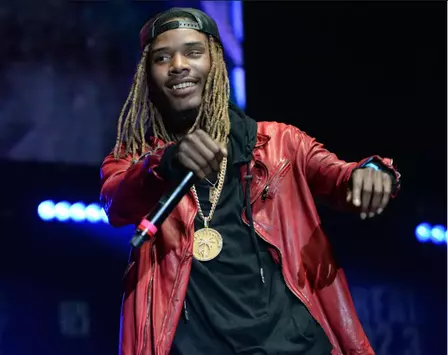
Seen in context, the 2016 nostalgia boom functions as a workplace signal. Manyando notes that renewed attention around artists like Fetty Wap unlocked memories of a less stressful phase of life for many fans. His music became shorthand for emotional breathing room. After his recent release and public resurgence, the response was immediate and overwhelming. Fans weren’t just celebrating an artist—they were reconnecting with how they felt during that era. Nostalgia, in this sense, becomes collective emotional recall.
Why Familiar Culture Feels Safer Right Now
Fetty Wap himself acknowledged the unexpected warmth of his reception, noting how surprised he was by the support. Manyando believes the response goes beyond talent or timing. Familiar music offers psychological safety in uncertain times. For millennials reconsidering careers or stepping back for mental health reasons, that safety matters. Terms like “quiet cracking” have emerged to describe persistent disengagement without quitting. Nostalgia fills the gap where recovery and rest are missing.
The End of Forced Newness at Work and in Culture
The 2016 nostalgia boom also reflects fatigue with constant reinvention. Manyando observes that consumers are tired of endless “next big things.” That exhaustion mirrors workplace trends showing prolonged stress reduces productivity and loyalty. Younger workers increasingly prioritize balance, meaning, and sustainability over hustle. Perpetual urgency no longer motivates—it drains. Familiarity now feels grounding rather than boring.
Moving Forward Without Going Backward
Importantly, millennials aren’t trying to relive 2016. They’re trying to reclaim what felt human about it. Fetty Wap summed it up simply when he said he isn’t chasing who he used to be, but embracing who he is now. That sentiment captures the heart of the 2016 nostalgia boom. It’s not regression—it’s a demand for healthier systems. When the past trends this loudly, it’s worth listening to what the present is failing to provide.

7.9K articles

1.4K articles

34 articles

28 articles














Comment