
Trending
Trending Hashtags
Alerts
-
6 minutes, 28 seconds
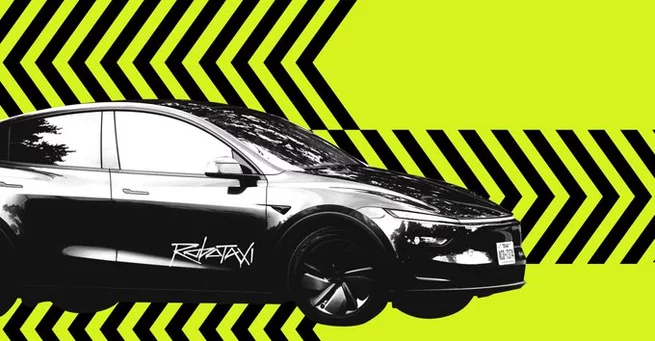
Tesla robotaxi pricing is quickly becoming one of the most searched topics in urban mobility, and for good reason. Many riders want to know how cheap the service really is, whether it beats competitors, and why wait times feel longer than expected. Early market data suggests Tesla is offering some of the lowest robotaxi fares ever recorded in a major U.S. city. However, those savings often come with a noticeable trade-off: patience. Together, price and timing paint a revealing picture of where the robotaxi industry is heading.
Despite the futuristic label, Tesla’s robotaxi service is not completely autonomous. Vehicles still include human safety monitors who can intervene using a kill switch if something goes wrong. This distinction matters because it places Tesla in a different operational category than fully driverless services. Even so, riders experience a largely automated journey that feels closer to the future than traditional ride-hailing. Tesla appears to be prioritizing rapid scaling and affordability over full autonomy at this stage.
The most eye-catching finding from recent market analysis is just how inexpensive Tesla robotaxi rides are. In San Francisco, the average trip costs roughly $8, rarely climbing above $10. That figure undercuts not only autonomous competitors but also long-established ride-hailing services. On a per-kilometer basis, Tesla is charging less than $2, a rate analysts describe as historically low for app-based transportation. For budget-conscious riders, the appeal is immediate and obvious.
Industry observers say Tesla’s pricing strategy echoes the early days of app-based ride-hailing. Back then, heavily subsidized fares were used to lure riders away from traditional taxis and quickly build market share. Tesla appears to be following a similar playbook by prioritizing adoption over short-term profitability. The result is a service that feels almost too cheap for a cutting-edge technology. This approach signals that aggressive price competition may define the next phase of autonomous mobility.
Low prices, however, come with a cost that isn’t measured in dollars. Tesla robotaxi wait times are among the longest recorded in the current market. Riders frequently report delays that exceed those of competing services, especially during peak hours. These extended wait times likely reflect a smaller active fleet and cautious rollout strategy. For users who value speed over savings, this limitation can be a deal-breaker.
Tesla’s longer wait times point to a classic scaling problem. Keeping prices low while expanding vehicle availability is a difficult balancing act. Each additional robotaxi adds operational costs, staffing needs, and regulatory complexity. Tesla seems to be pacing its expansion carefully, even if that means frustrating early adopters. This cautious growth may help avoid safety missteps, but it also tests rider loyalty.
Tesla robotaxi pricing is more than a consumer perk; it’s a warning shot to the entire transportation sector. If ultra-low fares become the norm, competitors may be forced to slash prices or rethink their business models. This could trigger a prolonged price war that reshapes how cities move people. At the same time, longer wait times show that affordability alone isn’t enough. Reliability and availability still matter deeply to riders.
Early users describe Tesla robotaxi rides as both thrilling and slightly inconvenient. The novelty of automated driving and low fares creates excitement, especially among tech-savvy riders. Yet waiting longer than expected can dampen that enthusiasm. This emotional push and pull reflects a service still finding its footing. Tesla’s challenge will be converting curiosity into long-term trust.
Looking forward, Tesla faces a critical decision: maintain ultra-low prices or invest heavily in reducing wait times. Doing both simultaneously is expensive and operationally complex. If fleet size increases, wait times could drop, making the service more competitive overall. Until then, Tesla robotaxi remains a compelling preview of what mass-market autonomous transport might look like—imperfect, exciting, and disruptive.
Tesla robotaxi pricing has reset expectations for what autonomous rides can cost. While longer wait times highlight current limitations, they also underline how early this market still is. As technology matures and fleets expand, today’s trade-offs may fade. For now, Tesla is proving that the future of transportation may arrive cheaper than anyone expected, even if it makes riders wait a little longer.








Comment