Alerts

-
6 minutes, 38 seconds
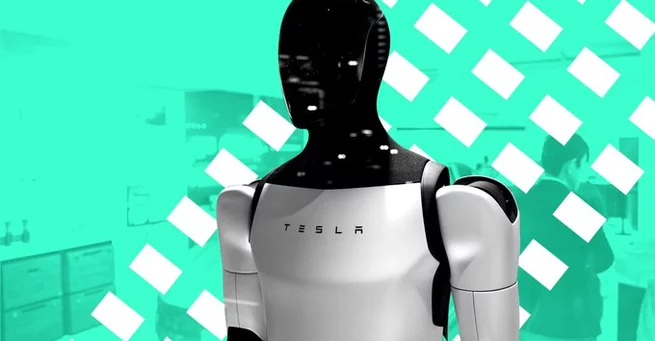
Tesla has confirmed that a production-ready Tesla Optimus robot is coming soon, answering one of the most searched questions around the company’s future beyond electric vehicles. According to its latest earnings update, Tesla plans to unveil the third-generation Optimus humanoid robot in the first quarter of 2026. The announcement signals a major shift in priorities, as the company positions robotics as a core pillar of long-term growth rather than a side experiment.
For investors, industry watchers, and everyday tech readers, the key takeaway is simple: Tesla believes Optimus is finally ready to move from demo stage to real-world production. That belief carries enormous financial, manufacturing, and reputational implications.
Tesla says the upcoming Gen 3 Optimus robot is “meant for mass production,” a phrase that marks a clear break from earlier prototypes. Previous versions focused on proof of concept, limited factory tasks, and staged demonstrations. Gen 3, however, is positioned as the first version designed with scalability in mind.
The company confirmed that the new model includes major upgrades over version 2.5, most notably a redesigned robotic hand. Hands are critical for humanoid robots because dexterity determines whether machines can handle real tools, components, and household objects. Improvements here suggest Tesla is targeting broader usefulness, not just controlled factory environments.
Tesla also revealed plans to begin setting up its first Optimus production line before the end of 2026. Internally, the company is reportedly planning for a future capacity of up to one million robots per year, a figure that underscores how central Optimus has become to Tesla’s vision.
One of the most striking details from the earnings call involved Tesla’s manufacturing footprint. Elon Musk stated that production of the Model S and Model X vehicles is expected to end in the second quarter of 2026. The space freed up at the Fremont factory will be repurposed to support Optimus production.
This move highlights a strategic trade-off. By scaling back low-volume vehicle lines, Tesla is betting that humanoid robots offer greater long-term upside than premium sedans and SUVs. It also suggests confidence that Optimus demand could eventually rival, or even exceed, certain vehicle segments.
For workers and suppliers, the shift could reshape job roles, tooling needs, and factory workflows. For the broader auto industry, it’s another signal that Tesla increasingly sees itself as a robotics and AI company, not just a carmaker.
Tesla has consistently said that Optimus will first be deployed inside its own factories. Internal use allows the company to refine performance, reliability, and safety before selling the robot externally. Factory tasks such as material handling, repetitive assembly work, and logistics support are seen as early use cases.
Beyond manufacturing, Musk has repeatedly outlined ambitious future roles. These include household assistance and even highly skilled tasks like medical support. While such claims remain speculative, Tesla has indicated that public sales of Optimus could begin as early as next year.
As Tesla’s automotive margins face pressure, the company appears increasingly dependent on the promise of humanoid robots to drive future revenue growth. That dependency raises both excitement and risk.
Despite the bold projections, Optimus has not had a smooth rollout. Earlier demonstrations drew criticism after it emerged that some robot actions were teleoperated rather than fully autonomous. More recently, the departure of Tesla’s head of robotics raised questions about internal challenges behind the scenes.
These issues have fueled skepticism about timelines and technical readiness. Analysts note that building a reliable, safe, and affordable humanoid robot is far more complex than producing vehicles. Every delay or leadership change adds pressure to the upcoming Gen 3 reveal.
Still, Tesla’s decision to commit factory space and production planning suggests the company believes those early problems are solvable.
The stakes around Optimus extend beyond product launches. Musk’s compensation structure reportedly hinges on ambitious robotics milestones, including the production of at least one million robots. That linkage amplifies scrutiny on every Optimus update.
More broadly, the Tesla Optimus robot represents a test case for the entire humanoid robotics sector. If Tesla succeeds, it could accelerate adoption across manufacturing, logistics, and consumer markets. If it stumbles, it may reinforce doubts about whether humanoid robots are commercially viable at scale.
For now, all eyes are on early 2026. The Gen 3 Optimus reveal is shaping up to be one of Tesla’s most consequential announcements in years, not because of what it promises, but because of what Tesla is now willing to sacrifice to make it happen.








Comment