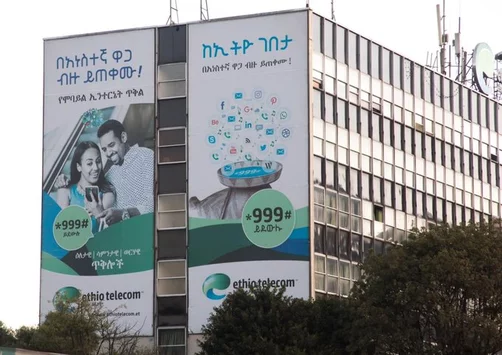
Satellite TV has dominated Ethiopian homes for decades, but a major shift is underway. teleStream, a new internet-based television platform from Ethio Telecom, aims to replace traditional satellite viewing with broadband streaming. The service combines live channels and video-on-demand into one ecosystem, positioning itself as a direct alternative to satellite TV rather than an add-on. For viewers, businesses, and the wider media industry in Ethiopia, teleStream signals a deeper transformation in how television is delivered, consumed, and monetized.
For years, satellite dishes have defined television access across Ethiopian cities and towns. Rooftops dotted with metal dishes became the norm, providing access to regional and international channels. That model, while widespread, relied heavily on foreign satellite providers and costly infrastructure. The reliance on external capacity meant television consumption was tied to international supply chains and foreign currency payments.
teleStream is designed to break that pattern. Instead of signals coming from orbiting satellites, the platform delivers television through broadband networks and SIM-enabled set-top boxes. This transition moves television delivery from space-based infrastructure to domestic telecom networks. The shift isn’t just technical—it represents a structural change in how content flows into Ethiopian households.
By positioning teleStream as a replacement rather than a supplementary service, Ethio Telecom is signaling its intent to reshape the country’s television ecosystem. The company wants viewers to see internet television as the default future, not an optional upgrade.
At launch, teleStream offers more than 60 live TV channels alongside a library of over 350 video-on-demand titles. The platform blends traditional broadcasting with modern streaming functionality, allowing viewers to switch between live programming and on-demand content seamlessly. This hybrid model reflects broader global trends in television consumption, where viewers increasingly demand flexibility and personalization.
The technology behind teleStream is relatively straightforward but impactful. Content is delivered over fixed broadband connections or through SIM-enabled devices, reducing reliance on satellite hardware. This setup makes installation simpler while opening the door for more scalable distribution. As broadband penetration improves, teleStream’s potential audience could expand rapidly.
For users, the biggest difference lies in reliability and control. Unlike satellite TV, which can be disrupted by weather conditions, internet-based delivery offers more stable viewing. The experience begins to resemble modern streaming platforms rather than legacy broadcasting systems.
Beyond convenience, teleStream carries significant economic implications. Satellite television has historically required broadcasters to lease capacity from international providers, often paying in foreign currency. For countries managing tight foreign exchange reserves, such arrangements create persistent financial pressure.
teleStream aims to localize that value chain. By routing television through domestic infrastructure, more revenue remains within the national economy. Telecom operators, local content creators, and advertisers all stand to benefit from a more integrated ecosystem. Over time, this could stimulate investment in local media production and digital infrastructure.
The move also reflects broader digital sovereignty trends. Countries across Africa are increasingly exploring ways to reduce reliance on foreign-controlled platforms. teleStream aligns with that narrative by bringing television distribution under domestic control.
One of satellite television’s most visible limitations has always been weather interference. Heavy rainfall frequently disrupts signals, leaving viewers staring at pixelated screens or blank channels. These interruptions have long been accepted as an unavoidable trade-off of satellite technology.
Internet-based television offers a different promise. While broadband connections can still face outages, they are generally less susceptible to weather-related disruptions than satellite signals. teleStream’s reliability could become a key selling point, especially in regions where seasonal weather patterns frequently affect viewing quality.
Improved reliability may also influence consumer behavior. If viewers begin to associate streaming television with consistency and clarity, satellite dishes could gradually lose their relevance. Over time, rooftops once filled with metal dishes might give way to routers and fiber connections.
For audiences, teleStream introduces more than just a new way to watch TV—it changes expectations. Viewers accustomed to linear programming may begin demanding features like pause, replay, and personalized recommendations. The shift from passive viewing to interactive consumption could reshape how television fits into daily life.
Content creators may also find new opportunities. A domestically controlled platform can provide more visibility for local productions, potentially boosting Ethiopia’s creative industries. With fewer barriers to distribution, regional storytelling could gain wider reach both nationally and eventually internationally.
Advertisers and brands are likely to follow the audience shift. Digital platforms provide more granular data and targeting capabilities than traditional broadcasting. This data-driven approach could unlock new advertising models and revenue streams.
teleStream is not just a media product—it’s a strategic bet on Ethiopia’s digital transformation. By merging telecommunications infrastructure with content delivery, Ethio Telecom is positioning itself at the center of the country’s evolving digital economy. The platform reinforces the idea that telecom operators are no longer just connectivity providers but ecosystem builders.
Success will depend on several factors, including broadband expansion, affordability, and consumer adoption. If internet access becomes more widespread and affordable, teleStream’s growth could accelerate rapidly. However, if connectivity remains uneven, satellite TV may continue to coexist alongside newer platforms for years.
Still, the direction is clear. The global shift toward streaming is reaching Ethiopia, and teleStream represents one of the most ambitious attempts to localize that transition.
teleStream arrives at a moment when television worldwide is undergoing profound change. Streaming platforms are redefining how audiences consume content, and telecom operators are stepping into roles traditionally held by broadcasters. Ethiopia’s transition mirrors these global shifts but carries unique economic and infrastructural dimensions.
Whether teleStream fully replaces satellite television or simply reshapes the market, its launch marks a turning point. The platform highlights a broader narrative: television is no longer just about content—it’s about control over distribution, infrastructure, and data. For Ethiopia, teleStream could become a defining chapter in the evolution of its digital media landscape.
As adoption grows, the true impact of teleStream will become clearer. What’s certain is that the era of rooftop satellite dominance is facing its most serious challenge yet.





Array