
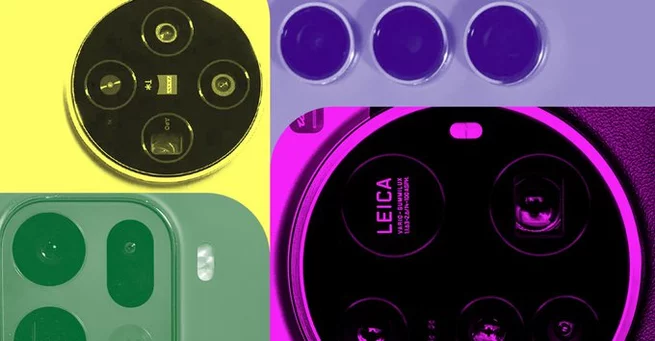
Telephoto Phone Camera Is Redefining Smartphone Photography
Searching for which phone camera matters most in 2026 usually leads to one answer: the telephoto phone camera. While megapixels, night modes, and AI tricks still grab attention, long-range lenses have quietly become the main battleground for smartphone makers. In the first moments of using a modern flagship phone, users quickly notice sharper zoom, cleaner distant shots, and more creative framing options than ever before. This shift explains why brands are investing heavily in telephoto systems instead of chasing gimmicks.
What once felt like a niche feature has turned into a must-have tool for everyday photography. From concerts and travel to portraits and street scenes, telephoto lenses now define how premium phones stand apart.
How the Telephoto Phone Camera Became the Star Feature
The rise of the telephoto phone camera didn’t happen overnight. Early zoom lenses were often criticized for soft images and exaggerated marketing claims. Some devices pushed extreme zoom numbers that sounded impressive but rarely delivered usable results in real life. These early missteps triggered skepticism about whether long-distance lenses were even necessary on phones.
Manufacturers listened and adjusted their approach. Instead of chasing triple-digit zoom figures, brands began refining optical zoom ranges that people actually use. The focus shifted to clarity, stabilization, and color accuracy at moderate distances. This evolution turned telephoto lenses from curiosities into reliable tools that users trust.
Why Phone Makers Compete So Aggressively on Telephoto Cameras
In a crowded smartphone market, standing out is harder than ever. Screens are excellent across price tiers, performance gains feel incremental, and battery improvements are mostly modest. Camera systems remain one of the few areas where visible differences still matter. The telephoto phone camera offers an easy way to demonstrate progress in side-by-side comparisons.
Zoom shots instantly show advantages that even casual users can appreciate. Cleaner edges, reduced noise, and natural background compression create images that look more professional. These benefits make telephoto cameras a powerful marketing and practical differentiator at the same time.
The Shift From Extreme Zoom to Real-World Quality
Early telephoto hype leaned heavily on extreme zoom numbers, but that approach didn’t age well. Photos taken at very high zoom levels often suffered from blur, poor lighting, and artificial sharpening. Users quickly learned that big numbers didn’t always mean better photos.
Today’s telephoto phone camera focuses on usable ranges, typically between 3x and 10x optical zoom. At these levels, images remain detailed and stable enough for daily use. Software processing now works alongside advanced optics to preserve texture and reduce distortion, especially in challenging lighting conditions.
Telephoto Phone Camera and Everyday Photography Use Cases
The true success of telephoto lenses comes from how often people actually use them. Portrait photography benefits from natural compression that flatters facial features without heavy software blur. Travel photography becomes more flexible, allowing users to capture distant landmarks without cropping away detail.
Sports, wildlife, and concert photography also see major improvements. Users no longer need to physically move closer to their subject, which is often impossible. The telephoto phone camera quietly expands what’s possible with a device that fits in a pocket.
Why Ultra-Wide and Main Cameras No Longer Steal the Spotlight
Wide and ultra-wide cameras have matured significantly, leaving less room for dramatic improvement. Most phones now deliver excellent results in standard shooting modes. While these lenses are still essential, they rarely surprise users anymore.
The telephoto phone camera, by contrast, continues to evolve rapidly. Advances in folded optics, sensor size, and stabilization create noticeable gains each year. These improvements feel fresh and exciting, giving reviewers and users something new to talk about with every generation.
What Telephoto Phone Camera Innovation Signals for the Future
The emphasis on telephoto technology suggests where smartphone photography is headed next. Rather than adding more lenses, brands are refining fewer cameras to do more. Expect better low-light zoom, faster focusing at long distances, and smoother video zoom transitions in upcoming models.
This focus also reflects changing user behavior. People want flexibility without complexity. A strong telephoto phone camera delivers creative freedom without forcing users to understand technical settings. It simply works when needed.
Why the Telephoto Phone Camera Truly Matters Now
The telephoto phone camera matters because it solves real problems and unlocks new possibilities. It bridges the gap between casual snapshots and intentional photography. Instead of chasing novelty, manufacturers are improving something users rely on every day.
As smartphone cameras approach physical limits, meaningful upgrades become rare. Telephoto lenses stand out as one area where progress is still visible and valuable. That’s why, in 2026, the telephoto phone camera isn’t just another feature—it’s the feature that defines premium smartphones.









Comment