Telegram Shutdown Russia: What’s Happening Right Now
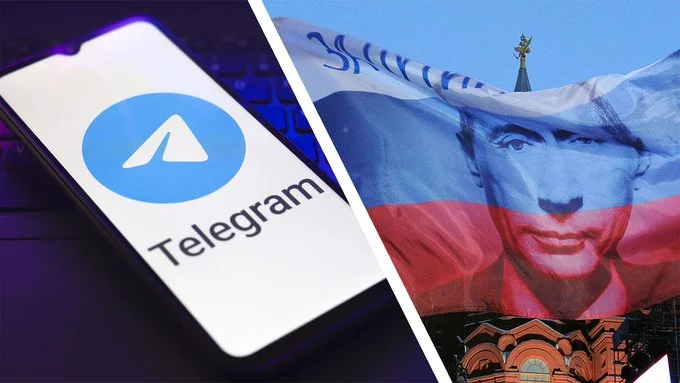
Russian authorities have begun restricting access to Telegram, leaving millions of users struggling to send messages, load media, or even open the app. Reports indicate the shutdown is partial for now, but a complete block could arrive within weeks. Many users are searching for answers—Is Telegram banned? Can it still be accessed? The short answer: access is inconsistent, and while some connections still work, disruptions are increasing rapidly across regions.
Why Russia Is Restricting Telegram Access
Officials in Russia claim the restrictions are tied to security concerns, including data protection and the platform’s alleged failure to address criminal activity. Authorities argue tighter control is necessary to safeguard citizens and regulate online communication.
However, critics see a different motive. Telegram has long been known for its encryption and independence, making it harder for governments to monitor conversations. This tension has placed the platform in the crosshairs of regulators seeking more control over digital spaces. As restrictions escalate, the situation is becoming as much political as it is technical.
Pavel Durov Responds to Telegram Ban Claims
Telegram’s founder, Pavel Durov, has openly criticized the move, describing it as an attempt to limit free communication. He argues that the restrictions are less about safety and more about steering users toward state-controlled alternatives.
Durov’s stance has resonated with many users who rely on Telegram for private conversations, news sharing, and business communication. His response adds fuel to an already heated debate about digital freedom and government oversight, especially in regions where online expression is tightly regulated.
Telegram Outages: What Users Are Experiencing
User reports reveal widespread but uneven disruptions. Some people can still access Telegram normally, while others face complete outages. Common issues include messages failing to send, media not loading, and the app refusing to connect entirely.
These inconsistencies suggest that the shutdown is being rolled out gradually. Different internet providers and regions appear to be affected at varying levels, making it difficult to predict when or where access will disappear next. For many users, this uncertainty is just as frustrating as a full shutdown.
VPNs and Workarounds: Are They Still Effective?
Virtual Private Networks (VPNs) have quickly become the go-to solution for users trying to bypass restrictions. By masking location and routing traffic through other countries, VPNs can restore access to Telegram—at least temporarily.
Still, effectiveness varies. Some VPN services continue to work reliably, while others are already being blocked or slowed down. Authorities are known to target VPN traffic during crackdowns, meaning these tools may not remain a long-term solution. Users relying on VPNs should expect a constantly shifting landscape.
A Push Toward State-Controlled Alternatives
One of the biggest concerns surrounding the Telegram shutdown is the potential push toward government-backed messaging platforms. Critics argue that limiting access to independent apps creates a vacuum that state-controlled services can fill.
This shift could have major implications for privacy, freedom of speech, and how information flows within the country. For users accustomed to Telegram’s flexibility and security, the idea of switching to a monitored platform raises serious concerns about surveillance and data control.
What Happens Next in the Telegram Russia Crackdown
A full Telegram shutdown in Russia appears increasingly likely, with timelines pointing toward a more aggressive block in the coming weeks. If implemented, it would mark one of the most significant messaging platform restrictions in recent years.
For now, users are navigating a fragile connection—sometimes online, sometimes locked out. The situation remains fluid, with new developments expected as authorities tighten controls and users search for ways to stay connected. One thing is clear: the future of Telegram in Russia hangs in the balance, and millions are watching closely.








Comment