Alerts

-
7 minutes, 49 seconds
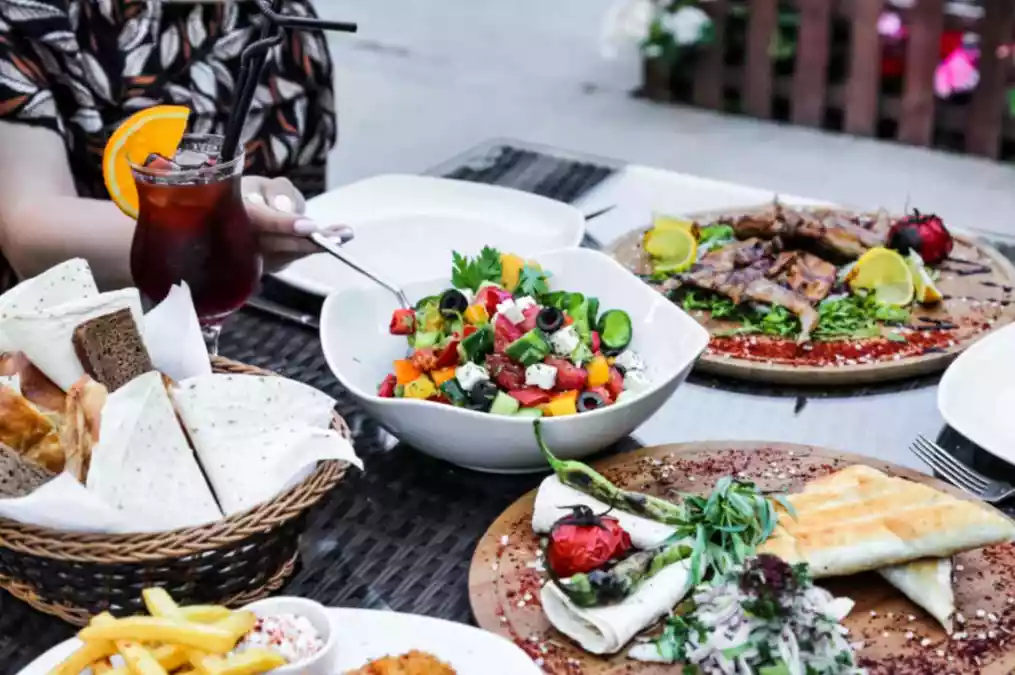
Dubai is a city where cultures, cuisines, and traditions meet around the same table. Among its diverse culinary offerings, Lebanese food holds a special place, bringing together bold flavours, time-honoured recipes, generous portions, and a style of hospitality that makes every meal feel personal. The Lebanese dining experience is not simply about eating; it is about slowing down, sharing, discovering different tastes, and enjoying the atmosphere created around food.
From fragrant mezze and freshly baked breads to grilled meats, delicate pastries, and refreshing beverages, Lebanese cuisine offers remarkable variety. Each dish contributes something different to the table, creating a meal that can move from light and refreshing to rich and satisfying without losing its distinctive character.
In Dubai, this culinary tradition has become especially appealing because it suits both casual gatherings and memorable occasions. Whether dining with family, meeting friends, or enjoying a relaxed evening after exploring the city, Lebanese cuisine provides an inviting combination of flavour and warmth.
One of the most distinctive aspects of Lebanese dining is the importance of sharing. Rather than focusing on a single main course for one person, meals often unfold through several dishes placed in the centre of the table. This arrangement naturally encourages conversation, discovery, and interaction.
A Lebanese meal often begins with mezze, a collection of small dishes that introduce diners to a wide range of textures and flavours. Creamy hummus, smoky baba ghanoush, refreshing tabbouleh, savoury stuffed vine leaves, and crisp pastries can all become part of the opening experience.
The beauty of mezze lies in its variety. A spoonful of one dish may be creamy and mild, while another delivers acidity, herbs, spice, or smokiness. Instead of rushing through the meal, diners can taste a little of everything and return to their favourites.
This style works particularly well in Dubai, where dining is frequently a social activity. A table filled with colourful plates becomes an invitation to talk, taste, and share. It also allows people with different preferences to enjoy the same meal without compromising their choices.
Bread plays an important role in Lebanese cuisine, often serving as more than an accompaniment. Freshly prepared flatbreads can be used to scoop dips, wrap ingredients, or complement grilled dishes. Their warmth and texture add another dimension to the meal.
The combination of freshly baked bread with creamy spreads, herbs, vegetables, and savoury preparations demonstrates how simple ingredients can create memorable flavours when handled thoughtfully.
Lebanese dining naturally creates an unhurried rhythm. Plates arrive gradually, guests share them, and conversations continue between courses. This makes the experience feel less formal and more communal.
For many diners, this is what makes Lebanese food memorable. The meal becomes an occasion rather than simply a response to hunger. The table becomes a place where stories are exchanged, relationships are strengthened, and new flavours are discovered together.
The heart of Lebanese cuisine extends far beyond mezze. Main dishes showcase the importance of quality ingredients, careful seasoning, and traditional cooking techniques. Grilled preparations are particularly admired for their aroma, tenderness, and distinctive smoky character.
A Lebanese grills restaurant is often associated with the enticing aroma of meat cooked over an open flame. Skewered chicken, seasoned minced meat, lamb preparations, and other charcoal-cooked specialities can form the centrepiece of a meal.
What makes these dishes distinctive is the balance between seasoning and natural flavour. Rather than covering the primary ingredient with excessive sauces, Lebanese cooking often uses herbs, spices, garlic, lemon, and other complementary ingredients to enhance what is already there.
The cooking process also matters. Proper grilling creates a lightly charred exterior while helping retain moisture and tenderness inside. Served alongside salads, sauces, pickles, and warm bread, grilled dishes become satisfying without feeling unnecessarily complicated.
Lebanese cuisine demonstrates that seasoning does not need to be overwhelming to be expressive. Garlic, mint, parsley, sumac, sesame, lemon, and carefully selected spices can each contribute a specific note.
Acidity is especially important in creating balance. Lemon and other tangy ingredients can brighten rich preparations, while fresh herbs introduce freshness to heavier dishes. This contrast keeps the meal lively from the first bite to the last.
Dubai's dining scene has developed rapidly, yet traditional Lebanese cooking continues to maintain its identity. Contemporary restaurants may introduce elegant interiors, refined presentation, or modern interpretations while preserving the familiar flavours that define the cuisine.
This combination allows Lebanese food to appeal to both those who grew up with its dishes and diners experiencing them for the first time. Tradition remains visible, but the presentation can comfortably fit the expectations of a modern international city.
Food may attract people to a restaurant, but hospitality often determines how they remember the experience. Lebanese culture places considerable importance on welcoming guests, and this spirit is reflected in the way meals are presented and enjoyed.
Lebanese hospitality is closely connected with generosity. Serving guests well means offering abundance, variety, and genuine attention. A meal is often designed to make people feel comfortable rather than simply satisfied.
This philosophy can be seen in the generous selection of dishes, the willingness to accommodate different preferences, and the relaxed atmosphere surrounding the table. Dining becomes an expression of welcome.
For visitors to Dubai, this warmth can make Lebanese restaurants particularly appealing. Travellers may arrive without knowing much about the cuisine but quickly feel comfortable because the experience encourages participation rather than formality.
For people unfamiliar with Lebanese food, a meal can provide an introduction to a broader cultural tradition. Ingredients, preparation methods, serving customs, and shared dining all tell a story.
The experience can begin with simple mezze and develop into an exploration of grilled specialities, rice dishes, desserts, and traditional drinks. Each course provides an opportunity to understand how Lebanese cuisine balances freshness, richness, texture, and aroma.
This is one reason visitors often search for the top Lebanese restaurants in Dubai when they want more than an ordinary meal. They are looking for places where authentic flavours, welcoming service, and a memorable setting come together.
Lebanese dining does not end with savoury dishes. Traditional sweets offer a final opportunity to experience intricate textures and delicate flavours. Pastries, semolina-based desserts, cheese-filled creations, nuts, and aromatic syrups demonstrate the craftsmanship associated with Middle Eastern confectionery.
Many Lebanese desserts balance sweetness with ingredients such as pistachios, rose water, orange blossom, or creamy fillings. The result can be rich but remarkably fragrant.
Sharing dessert also continues the communal character of the meal. Instead of ending abruptly after the main course, diners can linger over something sweet while enjoying conversation and the atmosphere around them.
Dubai's multicultural population has created a dining environment where authenticity and accessibility can exist side by side. Lebanese cuisine fits naturally into this landscape because its dishes can accommodate quick lunches, relaxed family meals, business gatherings, romantic evenings, and large celebrations.
The cuisine also offers considerable flexibility. Diners can choose a light selection of salads and dips, build a substantial meal around grilled dishes, or enjoy an elaborate spread featuring several courses. Vegetarian options can sit comfortably alongside meat-based specialities, making shared meals easier for diverse groups.
Another reason for its enduring appeal is the emphasis on freshness. Herbs, vegetables, citrus, grains, dairy products, and carefully prepared meats contribute to a cuisine that feels vibrant and balanced. Strong flavours are present, but they are often supported by fresh ingredients rather than excessive heaviness.
The atmosphere surrounding Lebanese dining adds another layer. Traditional music, warm interiors, beautifully arranged tables, aromatic dishes, and attentive service can transform an ordinary evening into a cultural experience.
Lebanese cuisine has travelled far beyond its homeland, but its fundamental principles remain recognizable. Sharing, generosity, freshness, balance, and respect for traditional preparation continue to define the experience.
Dubai provides an ideal setting for this culinary tradition to evolve. The city's international audience encourages chefs and restaurants to present familiar recipes in creative ways while maintaining their essential character. As a result, Lebanese dining can feel simultaneously traditional and contemporary.
For first-time diners, the experience offers an easy introduction through mezze and freshly baked bread. Those seeking heartier flavours can explore charcoal-grilled dishes, aromatic rice preparations, and carefully seasoned meats. Dessert lovers can finish with delicate pastries and fragrant sweets.
Ultimately, Lebanese dining in Dubai is about more than individual dishes. It is about the relationship between food and people. A crowded table, shared plates, warm bread, aromatic grills, lively conversation, and generous hospitality all contribute to an experience that stays in the memory long after the final bite.
The appeal of Lebanese cuisine lies precisely in this combination of taste and tradition. It welcomes newcomers without abandoning its roots and gives familiar flavours new relevance within one of the world's most diverse dining destinations. In Dubai, every shared plate can become an invitation to discover a culture, every carefully prepared dish can tell a story, and every welcoming table can turn a simple meal into a lasting experience.


8.3K articles

2.7K articles

1.6K articles

34 articles









Comment