Alerts

-
2 minutes, 36 seconds
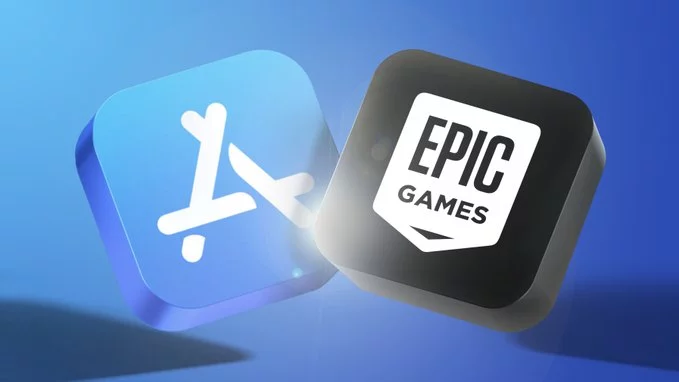
The U.S. Supreme Court has agreed to hear Apple's appeal in its long-running legal battle with Epic Games over App Store rules. This means the highest court in the land will now decide whether Apple must allow third-party payment systems on iPhones and iPads. For developers and consumers, this case could reshape how apps are sold and paid for on mobile devices.
At its core, the Apple vs Epic Games fight is about control and money. Apple requires all in-app purchases on iOS to go through its own payment system, which takes a 15% to 30% commission. Epic Games, maker of Fortnite, challenged this rule by adding its own payment option directly inside the app. Apple then removed Fortnite from the App Store, sparking a lawsuit that has dragged on for years.
The Supreme Court rarely steps into business disputes. But this case raises a big legal question: Does Apple's control over its App Store break antitrust laws? Lower courts have disagreed on key points, so the Supreme Court will now provide a final answer. The case is expected to be heard in late 2024 or early 2025.
If the Supreme Court rules against Apple, developers could:
If Apple wins, the current App Store rules will likely stay the same, meaning developers must continue paying Apple's commission on digital sales.
For everyday iPhone and iPad users, a ruling against Apple could lead to:
Apple argues that its payment system keeps users safe from fraud and malicious software. Epic Games claims Apple's rules are just a way to make money and limit competition.
This is a landmark case for the tech industry. The Supreme Court's decision will affect not just Apple and Epic Games, but every app developer and iPhone user. Here's what to watch for:
Many legal experts believe the Supreme Court took this case because the lower court rulings left important questions unanswered. Some analysts predict the Court may side with Apple but also push for clearer rules on app store practices. Others think the Court could force Apple to open up its payment system, which would be a huge win for developers.
Either way, this case is one of the most important tech legal battles in years. Stay tuned as we follow the developments closely.








Comment