
Alerts
-
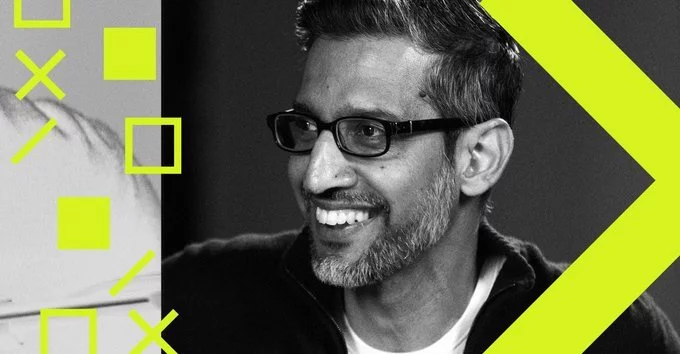
In an exclusive interview recorded after Google I/O 2026, Alphabet and Google CEO Sundar Pichai sat down with Decoder host Nilay Patel to discuss the company's bold new direction. From powerful Gemini models to AI agents embedded across products, Pichai revealed how Google is fundamentally reshaping its search engine and the broader web ecosystem. This conversation marks the fifth year of their post-I/O tradition, diving deep into structural changes, executive decisions, and the company's aggressive posture in response to the AI revolution.
Pichai outlined Google's three main businesses: Search, YouTube, and Google Cloud. He emphasized that these are powered by Android, Chrome, and critical AI infrastructure. The CEO acknowledged that the company's historical culture of launching many overlapping products is being refined. "The AI moment offers us a new way to think about it," Pichai said, explaining that common infrastructure like Gemini models allows for more intentional, cross-product innovation. He highlighted personal intelligence and NotebookLM as examples of harmonized efforts built on shared technology.
The future of Google Search is no longer just about delivering links. Pichai described a vision where search queries set off complex tasks using intelligent search boxes and the new Gemini Spark agent platform. This shift aims to provide direct answers and actions, reducing reliance on external websites. Patel raised the concept of "Google Zero" — a scenario where search traffic to publishers falls to zero. While previously dismissed, Pichai now acknowledges this trend as publishers like Condé Nast plan for a zero-traffic future.
Google is also training its AI on YouTube videos, changing how search indexes and summarizes content. Users will be dropped directly into relevant video segments, which could cause creator angst. Pichai addressed concerns about fighting similar battles with YouTubers as with publishers, emphasizing the need to balance user experience with creator value.
When asked about Google DeepMind CEO Demis Hassabis's statement that we are "in the foothills of the singularity," Pichai agreed. He shared his timeline for Artificial General Intelligence (AGI), noting that significant advancements are happening faster than expected. Pichai believes that Google's massive R&D investment in AI infrastructure positions the company to lead this transformation, applying breakthrough technology across all products from Maps to Cloud.
Pichai remains optimistic about Google's ability to innovate while maintaining user trust. He stressed that allowing room for innovation at the team level, while harmonizing efforts through common AI platforms, is the key to success. As the web evolves, Google is committed to being at the forefront, even if it means reshaping the digital landscape entirely.










Comment