Alerts

-
3 minutes, 19 seconds
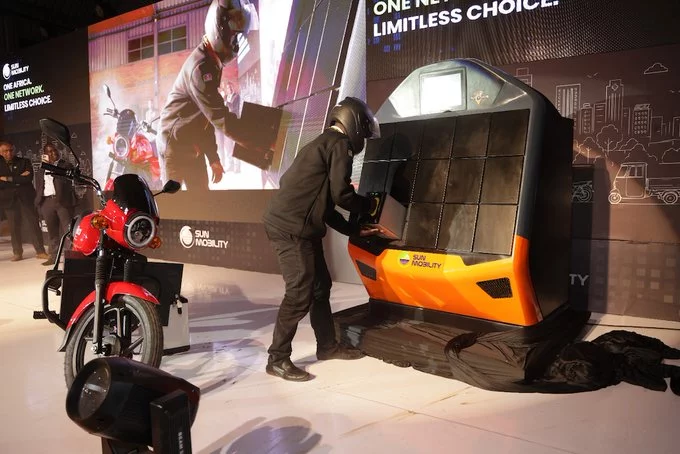
SUN Mobility has officially launched 35 battery-swapping stations across Nairobi and Mombasa, marking a significant expansion of electric vehicle (EV) infrastructure in Kenya. This deployment targets commercial electric two- and three-wheelers, providing a rapid refueling alternative for drivers who previously relied on traditional charging. The stations are strategically positioned in high-traffic urban zones to maximize accessibility for delivery riders and taxi operators.
This rollout is part of a broader initiative to accelerate the adoption of electric mobility in East Africa. By enabling drivers to swap depleted batteries for fully charged ones in under two minutes, SUN Mobility eliminates the long downtime associated with conventional EV charging. The company’s expansion into Kenya underscores a growing trend of localized energy solutions designed for dense city environments. As these stations become operational, they are expected to support thousands of daily swaps, reducing range anxiety and operational costs for commercial fleets while contributing to lower urban emissions in the country’s two largest cities.
Building on its Kenyan deployments, SUN Mobility has formed a strategic partnership with Vivo Energy. This collaboration will open access to Vivo Energy’s wider African fuel-station network, a move designed to enable SUN Mobility to scale its battery-swapping services across the continent. By leveraging the extensive footprint of Vivo Energy’s established stations, the company aims to significantly expand the geographic reach of its swapping infrastructure beyond the initial Nairobi and Mombasa markets.
The agreement provides a clear pathway for rapid expansion, allowing SUN Mobility to tap into high-traffic, accessible locations that already serve motorists across multiple countries. This network effect is expected to accelerate the adoption of electric two- and three-wheelers by making swap points as convenient as traditional refuelling stops. With this partnership, the company is positioning its Swap & Go model as a scalable, pan-African solution, reducing range anxiety and supporting the shift toward cleaner urban transport in new regions.
Battery swapping offers a straightforward alternative to traditional charging. Instead of waiting for a vehicle to recharge, drivers pull into a swap station where a robotic or manual system removes the depleted battery and replaces it with a fully charged one. The entire process takes only minutes, dramatically reducing downtime compared to plug-in charging.
This model delivers significant financial and operational advantages. By separating the battery from the vehicle, the upfront cost of an electric vehicle drops considerably, as the battery is often the most expensive component. For fleet operators, swapping supports high vehicle utilization, keeping vehicles on the road longer without lengthy charging breaks. The model is particularly well-suited for commercial fleets, such as electric two- and three-wheelers and buses, which require predictable, rapid turnaround to maintain schedules.
Key benefits include:
The deployment of these 35 battery-swap stations is a significant milestone for EV adoption in Kenya, directly addressing two of the biggest barriers for commercial drivers: high upfront battery costs and lengthy charging downtime. By enabling continuous operation through rapid swaps, the stations make electric motorcycles and tuk-tuks a more viable and productive alternative to petrol vehicles for fleet operators and independent drivers. This practical shift is crucial for reducing emissions in Nairobi and Mombasa, where transport is a major source of urban air pollution, as it displaces fossil fuel consumption with cleaner electric power.
Looking ahead, the partnership is poised for substantial growth. The integration with Vivo Energy’s extensive network across Africa provides a ready-made infrastructure footprint for scaling. The plan is to leverage this network to expand battery-swap access far beyond the initial two cities, progressively building a continent-wide ecosystem that can accelerate the transition to electric mobility and deliver lasting environmental benefits.










Comment