Oracle and OpenAI Halt Stargate AI Texas Expansion
Oracle and OpenAI have reportedly dropped plans to expand the Stargate AI data center campus in Abilene, Texas, a major pivot in their $500 billion US AI infrastructure initiative. The Abilene campus was expected to grow to around 2GW of computing capacity, but new reports indicate the expansion will stop at 1.2GW. Industry insiders suggest this move is driven by shifting priorities and the need to accommodate newer AI chip technologies.
The decision raises questions about the future of large-scale AI data centers in Texas and reflects the rapidly evolving landscape of AI infrastructure investments. Companies are increasingly weighing efficiency, cost, and technological requirements before committing to massive builds.
Abilene Campus Growth Plans Capped
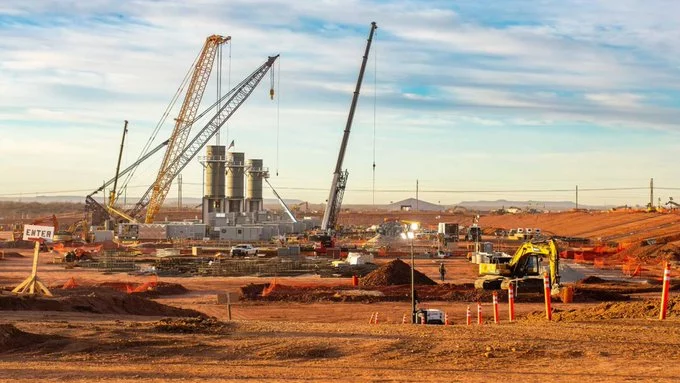
Originally, the Stargate campus consisted of just two buildings. Six more were planned to come online this year, bringing the total capacity to an estimated 1.2GW. However, further construction intended to push capacity to 2GW has now been canceled.
Executives reportedly cited logistical challenges and changing AI workloads as reasons for scaling back. This marks a notable shift for one of the most ambitious AI data center projects in the US. By focusing on a more manageable expansion, OpenAI and Oracle aim to optimize operations while still supporting the rapid growth of AI computing needs.
Why the Expansion Was Scrapped
Several factors appear to have influenced the decision. One key reason is the need to support newer, more advanced AI chips that may not align with the current Abilene facilities. Rather than investing in costly retrofits, the companies are exploring alternative campuses better suited for next-generation AI infrastructure.
Additionally, logistical and regulatory hurdles in large-scale construction projects in Texas have reportedly slowed progress. By pivoting to other locations, Oracle and OpenAI hope to streamline deployment and maintain flexibility for future AI workloads.
Focus Shifts to Other US Locations
While the Abilene expansion is capped, this does not signal the end of the Stargate Project. OpenAI and Oracle are reportedly evaluating other US sites for their AI data center needs. Experts suggest that strategic placement near power infrastructure, fiber networks, and cooling resources will drive the next phase of expansion.
This approach allows the companies to balance massive computing demands with operational efficiency, potentially accelerating AI development across more versatile locations. Investors and tech observers will likely watch these new sites closely, as they could set benchmarks for future AI infrastructure projects.
Implications for US AI Infrastructure
The decision to halt the Texas expansion underscores the challenges of scaling AI infrastructure in a fast-moving market. While some may view the move as a setback, others see it as a smart adaptation to technological evolution. By prioritizing flexibility and newer chip compatibility, OpenAI and Oracle may position themselves to handle AI workloads more efficiently and cost-effectively.
This development also highlights the broader trend of targeted, location-specific AI deployments in the US. Companies are increasingly moving away from single, massive campuses toward a distributed model that can better accommodate rapid advancements in AI hardware and software.








Comment