Sprout Robot Brings Friendly Humanoids Closer to Reality
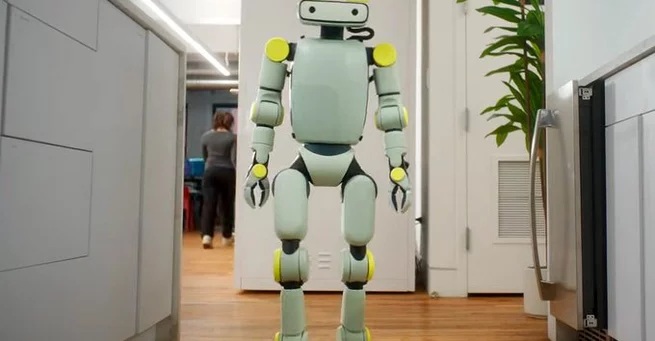
Robots are getting softer, smarter, and more socially approachable. Fauna Robotics’ new humanoid, Sprout, is designed to encourage safe human interactions with its soft foam body, expressive mechanical face, and quiet, lightweight build. Standing just 3.5 feet tall, Sprout is compact enough to be carried by one person but sophisticated enough to handle research, development, and even light tasks around homes or labs.
Unlike many humanoid robots aimed purely at industrial applications, Sprout prioritizes approachability. Its creators wanted a robot that doesn’t intimidate humans, featuring rounded edges, no pinch points, and a design inspired by beloved science fiction robots like Baymax and Rosie Jetson.
A Humanoid Built for Developers and Researchers
Sprout isn’t just a novelty; it’s a platform. Fauna Robotics is initially targeting researchers, universities, and hobbyist developers who may lack the resources to build a humanoid from scratch. “Movement, perception, navigation, and expression all work out of the box,” CEO Rob Cochran said, allowing teams to focus on creating unique applications rather than programming basic locomotion or safety features.
Its articulated limbs and grippers make it capable of performing tasks such as tidying up, interacting with objects, or assisting in labs. While it isn’t yet folding laundry or assembling products at scale, its design makes it a versatile testbed for robotics innovation. Sprout’s presence could accelerate research into humanoid behavior, AI-human interaction, and collaborative robotics.
Safety and Expressiveness at the Core
What sets Sprout apart is its commitment to human-centric design. The robot’s soft foam exterior and quiet motors make it suitable for spaces where human comfort is crucial. Expressive eyebrows, a wide head, and subtle movements give Sprout a personality that invites interaction rather than fear.
This approach reflects a growing trend in robotics: designing machines that feel less like tools and more like companions. By eliminating sharp edges and pinch points, Fauna Robotics ensures Sprout can safely interact with children, elderly individuals, or anyone new to robots without risk of injury. The company emphasizes that physical safety and social approachability are as important as technical capability.
Affordable Access to Advanced Robotics
Building a humanoid robot from scratch can cost hundreds of thousands of dollars, but Sprout offers a ready-made solution for $50,000. While still a significant investment, this price opens doors for small labs, startups, and educational institutions to experiment with humanoid robotics without massive infrastructure.
Sprout represents a step toward democratizing advanced robotics, allowing more people to explore AI, human-robot interaction, and applied robotics research. Developers can focus on testing new behaviors, educational programs, or real-world applications without being burdened by the challenges of building a robot from the ground up.
Where Sprout Could Lead
Humanoid robots are often seen as distant, futuristic tools, but Sprout challenges that notion by being approachable, adaptable, and immediately usable. Its soft, expressive design is a reminder that robots don’t have to intimidate—they can complement human spaces while still performing meaningful tasks.
As researchers, developers, and robotics enthusiasts begin to work with Sprout, we could see new innovations in collaborative robotics, AI behavior modeling, and human-robot communication. Whether in classrooms, labs, or experimental homes, Sprout offers a glimpse of a future where robots are not just functional but genuinely inviting.





Array