
Alerts
-
3 minutes, 20 seconds
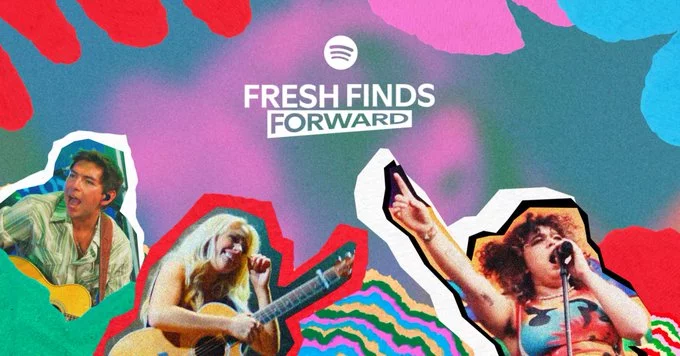
Spotify is stepping up its support for artists who are just starting out, rolling out a package of resources designed to help them build sustainable careers. The initiative brings together practical tools and personal support in one place, giving emerging talent access to help that was previously hard to find.
Among the most notable additions is access to free therapy sessions, a benefit that addresses the mental health pressures that often come with pursuing a career in music. Alongside this, Spotify is offering educational resources and guidance aimed at helping artists navigate the industry with greater confidence.
The resources are intended to cover both the professional and personal sides of being a musician. By combining wellness support with career-focused help, Spotify aims to give emerging artists a stronger foundation as they grow their audiences and develop their craft.
For artists who may not yet have a team or label behind them, these tools could make a meaningful difference. The full details of the programme are available through Spotify's artist resources.
Perhaps the most surprising item in Spotify's new resource package is access to free therapy. Alongside practical tools, the platform is offering emerging artists mental health support at no cost. For musicians navigating the pressures of building a career, this inclusion signals that wellbeing is being treated as part of professional development rather than an afterthought.
Therapy joins other resources designed to help artists sustain themselves over the long term. Rather than focusing solely on streams, playlists, or promotional tactics, Spotify appears to be acknowledging that the people behind the music need support too.
This benefit stands out because mental health services are rarely bundled with industry opportunities. By providing therapy directly, Spotify lowers a barrier that cost and stigma often place in front of artists. It is a concrete addition to the resource package, not a vague promise, and it gives emerging musicians something genuinely useful as they grow their careers.
Spotify's new resources, including free therapy, are aimed squarely at emerging artists. That focus matters because the earliest stages of a music career often come with the least support and the most pressure. Artists trying to build an audience, release music, and navigate the industry frequently do so without the financial or emotional safety net that more established acts can rely on.
By directing these resources at emerging artists, Spotify is addressing a group that is often overlooked. Free therapy, in particular, speaks to a need that goes beyond marketing or streaming numbers: the mental health of people pursuing creative work under uncertain conditions.
Access to professional support can make a real difference for artists who might otherwise have no way to afford it. Pairing practical resources with free therapy signals that emerging artists are being treated as whole people, not just as potential revenue. For those just starting out, that recognition can be as valuable as any tool or promotion.
For emerging artists, these resources represent a rare form of institutional support arriving early in a career rather than after a crisis. Access to Spotify-provided tools means that musicians no longer have to choose between paying for basic needs and investing in their craft.
The inclusion of free therapy is especially significant for artists who are just starting out. Many emerging musicians operate without management, label backing, or health insurance, leaving mental health support out of reach. By removing that cost barrier, Spotify gives artists a way to prioritise their wellbeing alongside their work.
Beyond therapy, the broader resource package gives emerging artists a foundation they can build on:
For artists who have long been told to simply push through, this signals a shift: support is available, and it does not have to wait until success arrives.










Comment