
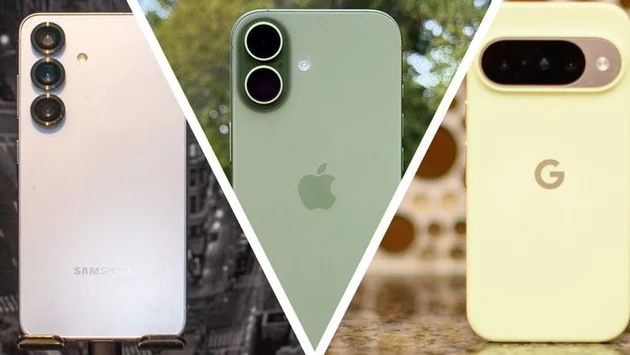
Smartphones 2026 are already sparking questions among buyers wondering what upgrades will truly matter next year. Will battery life finally stop being a daily concern, or will AI features become genuinely useful rather than gimmicky? As 2025 wraps up with flagship launches from Samsung, Google, and Apple fresh in memory, expectations are rising fast. Consumers want phones that last longer, think smarter, and feel more exciting to use. Industry watchers are also curious whether foldables can go mainstream or remain niche. These questions are shaping early conversations around next year’s devices. The short answer: 2026 could be a turning point if brands listen closely.
Looking back at 2025 helps explain why expectations for smartphones 2026 are so high. Base models finally fought back, with iPhone 17 and Pixel 10 narrowing the gap with premium Galaxy S25 hardware. Battery sizes quietly crossed thresholds that once seemed impossible, changing how long phones last between charges. OnePlus even delivered a phone powerful enough to rival tablets in endurance and performance. Foldables also took a dramatic leap forward, becoming thinner and lighter than many expected. These changes reset the baseline for what users now consider “normal.” Anything less in 2026 may feel like a step backward.
Battery life sits at the top of nearly every wishlist for smartphones 2026, and for good reason. Bigger batteries alone are not enough anymore, as users also want smarter power management. Advances in silicon efficiency and adaptive software could stretch endurance without adding bulk. Fast charging remains important, but consistent all-day reliability matters more. People want confidence that their phone will last through work, travel, and entertainment. Brands that solve this elegantly will win trust quickly. Battery anxiety is one problem the industry can no longer ignore.
AI is another major expectation shaping smartphones 2026, but the demand is for quality, not quantity. Users are growing tired of flashy features that sound impressive but add little value. Practical AI that improves photos, summarizes messages, or predicts daily needs could change that perception. Privacy-aware on-device AI is also becoming a priority as concerns grow. The next generation must feel helpful rather than intrusive. If AI can quietly save time and reduce friction, it will finally justify the hype. Otherwise, consumers may tune it out entirely.
Design innovation is also under scrutiny as smartphones 2026 approach. Ultra-thin foldables have shown that hardware still has room to surprise. Many users now want lighter phones that feel comfortable without sacrificing durability. Materials, hinges, and displays are evolving faster than expected. There is also renewed interest in compact flagships that balance power and portability. If brands can combine premium specs with ergonomic design, they may redefine what a flagship looks like. Visual sameness is becoming a risk manufacturers can no longer afford.
Camera upgrades remain essential, but expectations for smartphones 2026 are shifting. Megapixels alone no longer impress seasoned buyers. Instead, consistent results across lighting conditions matter more. Computational photography, aided by smarter AI, could close gaps between lenses and sensors. Video stabilization, realistic colors, and faster processing are key focus areas. Users want cameras they can trust instantly without manual tweaking. Delivering reliability over specs may become the new winning strategy.
Ultimately, smartphones 2026 will be judged on how well they improve everyday life. Consumers are no longer chasing specs for their own sake. They want devices that feel thoughtful, efficient, and genuinely modern. The brands that succeed will be those that refine the fundamentals rather than chase trends. With batteries, AI, design, and cameras all evolving at once, next year could feel refreshingly different. If expectations are met, 2026 may mark the most meaningful smartphone upgrade cycle in years.












Comment