


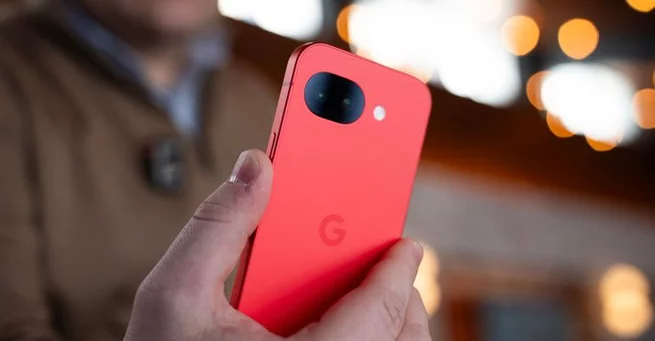
Smartphone Sales Crash as RAM Shortage Sparks Chaos
-
7 minutes, 5 seconds
Smartphone Sales Could Hit a Historic Low in 2026
Smartphone sales may plunge to their lowest level in over a decade as a global RAM shortage disrupts production and drives prices up. Industry analysts warn that memory-hungry AI data centers are absorbing most available RAM, leaving fewer chips for consumer devices. The result? Fewer smartphones shipped, rising prices, and major uncertainty for buyers and manufacturers alike. If you’ve noticed phones getting more expensive or launches slowing down, this memory crisis may be the reason.
RAM Shortage Sparks Massive Smartphone Shipment Decline
A new report from the International Data Corporation (IDC) predicts smartphone shipments could drop by nearly 13 percent in 2026. That decline would mark one of the steepest annual falls the industry has seen in years. For a market that typically relies on incremental growth, this shift signals a major turning point.
The shortage stems largely from the explosive growth of artificial intelligence. Companies building AI infrastructure are buying massive quantities of RAM chips, diverting supply away from consumer electronics. As a result, smartphone makers are struggling to secure enough components to maintain production levels.
Smartphone Prices Expected to Surge to Record Highs
While shipments fall, prices are moving in the opposite direction. Analysts forecast the average selling price of smartphones could jump by around 14 percent this year. That would push the global average to record highs, putting added pressure on buyers already dealing with inflation.
Manufacturers have limited options. With memory costs rising sharply, brands are passing those expenses directly to consumers. Even mid-range devices are expected to feel the impact, making affordable upgrades harder to justify for many users.
Budget Phones Could Be the Biggest Casualty
The RAM shortage may hit entry-level smartphones the hardest. Analysts warn that ultra-cheap phones — especially those under $100 — could disappear entirely. Rising component costs are making it increasingly difficult for manufacturers to maintain profit margins in the budget segment.
This shift could reshape the smartphone landscape globally. In emerging markets where low-cost devices dominate, fewer affordable options may slow adoption and upgrades. Consumers who rely on budget Android phones could face limited choices or higher prices than ever before.
AI Giants Are Fueling the RAM Crisis
The real driver behind the memory crunch isn’t smartphones — it’s artificial intelligence. Tech giants like Microsoft, Google, and Amazon are rapidly expanding AI data centers, which require enormous amounts of high-performance RAM.
These companies are locking in long-term memory supply deals, leaving less available for consumer hardware manufacturers. AI models, cloud computing platforms, and generative tools are pushing memory demand to unprecedented levels. As AI growth accelerates, supply constraints may persist well beyond 2026.
Ripple Effects Beyond Smartphones
The RAM shortage isn’t limited to phones. Other consumer electronics are already feeling the strain. Reports suggest rising costs and delays across multiple categories, including single-board computers, modular laptops, and gaming hardware.
Some upcoming products may face launch delays due to memory supply constraints. Industry chatter even hints at potential impacts on next-generation gaming consoles and mixed-reality headsets. If the shortage worsens, entire product roadmaps could shift.
Major Brands May Change Strategy
Smartphone makers are already adapting to the new reality. Some brands may release fewer models or prioritize higher-margin devices. Others could experiment with new pricing tiers or reduce RAM configurations in entry-level models to keep costs manageable.
Rumors suggest that Apple could introduce a new budget-oriented iPhone model soon, potentially signaling how manufacturers plan to navigate rising memory costs. If premium pricing becomes the norm, the industry may move further away from the ultra-affordable era of smartphones.
When Will the RAM Shortage End?
Industry experts believe memory prices could stabilize sometime around 2027, but a full return to previous levels seems unlikely. Once supply chains rebalance, prices may ease slightly — yet structural demand from AI could keep costs permanently higher.
That long-term shift could redefine consumer expectations. Buyers may need to hold onto devices longer or pay more for upgrades. Meanwhile, manufacturers will continue balancing innovation with rising component costs.
What This Means for Smartphone Buyers
For consumers, timing may matter more than ever. Those planning an upgrade might face higher prices and fewer deals throughout 2026. Waiting for discounts could become harder as supply tightens and demand remains steady.
At the same time, the value equation may change. Instead of chasing yearly upgrades, users may prioritize durability, battery life, and long-term software support. With prices climbing, getting more years out of each device will likely become the new norm.
A Turning Point for the Smartphone Industry
The global RAM shortage could mark a defining moment for the smartphone industry. Falling shipments, rising prices, and shrinking budget options all point to a major shift in how devices are made and sold. While AI innovation continues to accelerate, everyday consumers may bear the hidden cost through more expensive gadgets.
If current trends continue, 2026 may be remembered as the year smartphones stopped getting cheaper — and started becoming premium by default. For buyers and brands alike, adapting to this new reality could shape the future of mobile technology for years to come.



Contact Information





Suggested Writers
-

2.5K articles
-

1.3K articles
-

34 articles
-

28 articles



Comment