
Alerts
-
4 minutes, 39 seconds
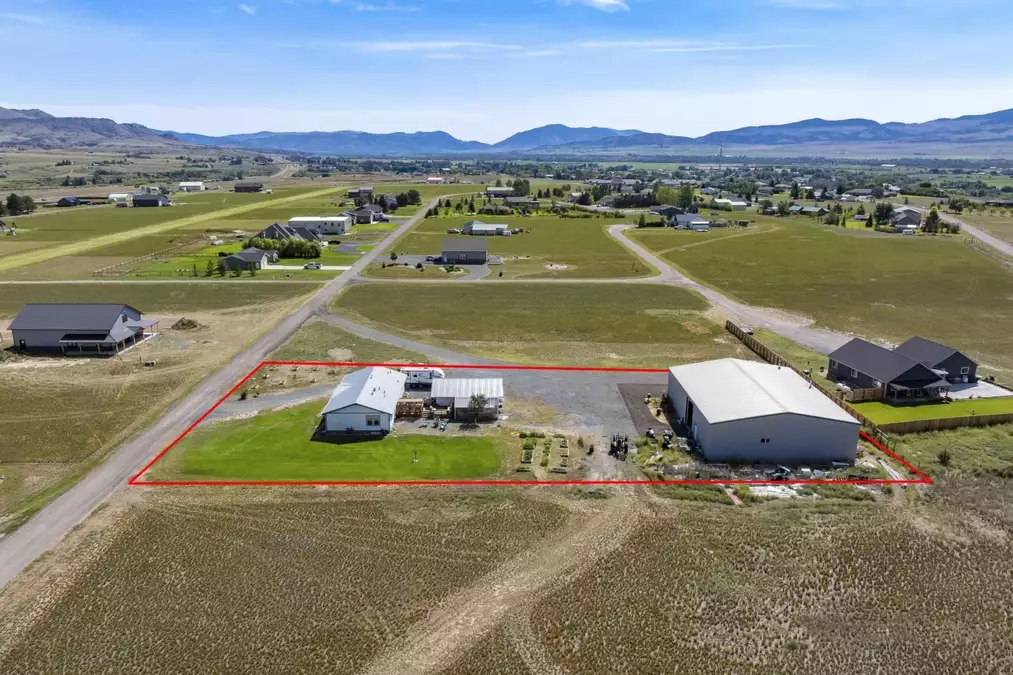
A small plane hangar is an important investment for aircraft owners who want convenient storage, protection from weather, and easy access to their aircraft. Whether you fly a single-engine airplane for recreation, use a private aircraft for business travel, or operate a light aircraft for training, choosing the right hangar can make aircraft ownership more convenient.
Hangar Trader helps pilots, aircraft owners, and aviation enthusiasts explore hangar listings and aviation property opportunities across the United States. Understanding your storage requirements, budget, and preferred airport can help you find a suitable space for your aircraft.
Aircraft are valuable assets that require appropriate storage and care. Parking an airplane outdoors exposes it to sunlight, rain, wind, dust, and other environmental conditions. A suitable enclosed hangar provides an additional layer of protection and a dedicated space for keeping your aircraft.
A small plane hangar can also provide room for aviation equipment, tools, cleaning supplies, and other accessories, depending on its size and permitted use. For pilots who fly regularly, having a designated space at a convenient airport can make preparing for flights easier.
Hangars are available in different configurations, including individual T-hangar units and conventional box-style buildings. The right option depends on your aircraft dimensions, storage preferences, and the facilities available at your chosen airport.
Size is one of the most important considerations when selecting an aircraft hangar. A building that appears large enough may still be unsuitable if its door opening, interior clearance, or layout does not accommodate your airplane.
Before choosing a property, check the following measurements:
Wingspan: Ensure sufficient width for the aircraft's wings and safe maneuvering.
Aircraft length: Confirm that the airplane fits comfortably without obstructing the entrance or other equipment.
Tail height: Check that the ceiling and hangar door opening provide adequate vertical clearance.
Door width: Verify that the opening allows the aircraft to enter and exit safely.
Additional space: Consider room for tools, accessories, and walking around the aircraft.
For example, owners of smaller single-engine airplanes may consider compact hangar options, while aircraft with wider wingspans or taller tails may require larger buildings. Always use your aircraft's actual dimensions and the property's specifications rather than relying on a general size estimate.
The decision to purchase or rent depends on how often you fly, your budget, and how long you expect to use the same airport.
Renting may be suitable for pilots who want flexibility without making a large initial investment. It can be a practical choice when you are new to an airport, have changing travel requirements, or prefer predictable rental payments.
Before signing a lease, confirm the monthly rent, deposit, utilities, access arrangements, insurance requirements, and lease duration. Ask whether maintenance responsibilities or additional airport fees apply.
Buying may appeal to aircraft owners who plan to remain at one airport for an extended period. Depending on the property arrangement, ownership can provide greater control over storage space and potential long-term value.
However, buyers should investigate the purchase price, property ownership structure, ground lease conditions, maintenance expenses, insurance, and airport regulations. A property that seems affordable initially may involve additional ongoing costs.
Comparing both options can help you determine which arrangement fits your financial and aviation needs.
When evaluating a small plane hangar, consider more than its dimensions and asking price. The property's location and practical features can significantly affect your experience as an aircraft owner.
Airport accessibility: Choose an airport that suits your regular flying destinations and travel schedule. Check operating hours, access restrictions, and applicable airport rules.
Security: Ask about controlled access, locks, surveillance, lighting, and other available security measures.
Building condition: Inspect the roof, doors, floor, drainage, and structural components. Identify any repairs that may require attention.
Utilities: Determine whether electricity, lighting, or other utilities are available and whether they are included in the rent or ownership expenses.
Future requirements: Consider whether you may purchase a different aircraft, need additional equipment storage, or require more working space later.
A careful inspection and review of the property's terms can help you avoid unexpected costs and choose a hangar that meets your requirements.
Searching for the right hangar can take time, particularly when comparing properties across different airports and regions. Hangar Trader provides an online marketplace dedicated to aircraft hangars and aviation real estate.
Through Hangar Trader, you can explore available hangars for sale and rent, review listing information, and compare properties based on your location and storage needs. You can also explore aviation-related resources covering hangar financing, insurance, escrow services, real estate professionals, manufacturers, and construction providers.
Whether you are purchasing your first airplane or looking for a better storage arrangement for an aircraft you already own, researching available listings is a useful first step.
Finding the right small plane hangar starts with understanding your aircraft's dimensions, choosing a suitable airport, comparing costs, and checking the property's condition and terms. Taking time to evaluate these factors can help you make a more informed decision and find a storage solution that supports your flying activities.
Hangar Trader makes it easier to explore aviation property opportunities and compare available hangar listings across the United States.
Ready to find a suitable hangar for your aircraft? Contact Hangar Trader at 888-357-8007 to learn more about available services and make your next hangar search easier.





Comment