Alerts

-
4 minutes, 49 seconds
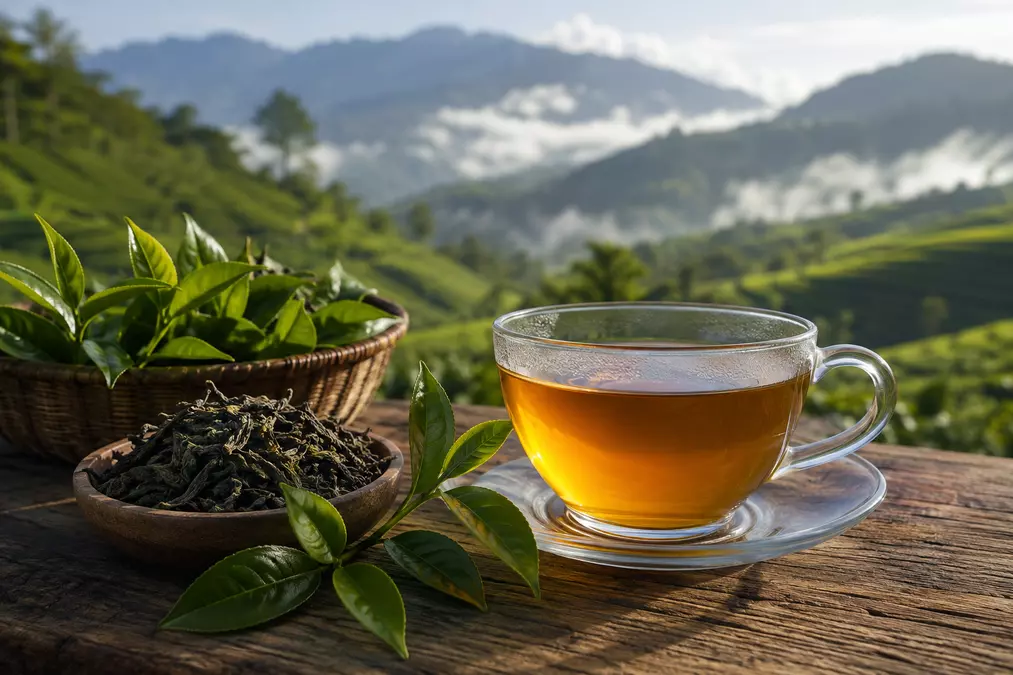
India is home to some of the world's most distinctive tea-growing regions, from the misty gardens of Darjeeling to the lush plantations of Assam. Among these lesser-known tea destinations, Sikkim tea stands out for its Himalayan origin, refreshing character, and growing appeal among specialty tea enthusiasts.
Grown in the cool mountain environment of Sikkim, this tea reflects the unique combination of altitude, climate, soil, and traditional cultivation practices. Whether you are discovering it for the first time or already enjoy Himalayan teas, understanding its origin, flavor profile, varieties, and potential benefits can make every cup more interesting.
What is Sikkim Tea?
Sikkim tea refers to tea cultivated in the northeastern Indian state of Sikkim, particularly around the famous Temi Tea Garden. Unlike the large-scale tea-producing regions of Assam and West Bengal, Sikkim has a relatively small tea industry.
The state's mountainous terrain and cool climate create distinctive growing conditions. Tea cultivated at higher elevations generally develops more complex aromas and flavors because the plants grow more slowly.
Sikkim's tea-growing identity is closely associated with orthodox tea production, although the region's tea landscape includes different styles and grades.
The Origin and History of Sikkim Tea
Tea cultivation in Sikkim developed relatively late compared with some of India's established tea regions. The state's first major tea plantation, Temi Tea Garden, was established in the 1960s.
Located in southern Sikkim, Temi became an important center for the state's tea production. The garden is surrounded by Himalayan landscapes, with mountain air and favorable climatic conditions contributing to the character of its teas.
Over time, Sikkim tea began gaining recognition beyond the region. Its smaller production volume, distinctive geographical setting, and association with Himalayan tea culture have helped position it as an interesting choice for specialty tea drinkers.
Why Does Sikkim Produce Distinctive Tea?
Several natural factors influence the character of Sikkim tea.
· High-Altitude Growing Conditions- Sikkim's mountainous landscape exposes tea plants to cooler temperatures than many low-elevation tea-growing areas. Slower growth can contribute to greater flavor complexity in the finished leaves.
· Cool and Misty Climate- Frequent mist, moderate temperatures, and seasonal rainfall create an environment well suited to tea cultivation. These conditions can influence the aroma and freshness perceived in the brewed tea.
· Mountain Soil- The composition and drainage characteristics of Himalayan soils can influence how tea plants grow. Combined with elevation and climate, the local growing environment gives Sikkim tea its regional identity.
· Smaller-Scale Production- Sikkim produces considerably less tea than major Indian tea-producing states. This relatively limited production makes its teas particularly interesting to consumers exploring India's lesser-known tea regions.
What Does Sikkim Tea Taste Like?
One of the most appealing aspects of Sikkim tea is its balanced flavor profile.
Depending on the variety, harvest, processing method, and brewing technique, Sikkim tea can offer a combination of:
Compared with stronger teas, Sikkim tea can feel more delicate and nuanced. This makes it suitable for drinkers who enjoy teas where aroma and subtle flavor notes are more prominent than intensity.
Types of Sikkim Tea
Sikkim tea is not limited to one particular flavor or processing style. Different types can offer noticeably different drinking experiences.
1. Sikkim Black Tea
Black tea is one of the most familiar styles for everyday tea drinkers. Sikkim black tea can have a bright, aromatic character with mild sweetness and moderate briskness.
It can be enjoyed plain or with a small amount of milk, depending on the particular tea.
2. Orthodox Sikkim Tea
Orthodox tea is produced using traditional processing methods that preserve the shape and character of the tea leaves more carefully.
The resulting leaves can produce a more layered cup, making orthodox Sikkim tea particularly appealing to specialty tea enthusiasts.
3. Sikkim Green Tea
Green tea undergoes minimal oxidation compared with black tea. Sikkim-grown green tea can offer a lighter profile with fresh, vegetal, or subtly floral notes.
It is a good option for people who prefer a gentler cup without the stronger character associated with some black teas.
4. Specialty and Estate Teas
Individual estates and harvests can produce teas with their own characteristics. Factors such as elevation, plucking standards, weather, and processing can cause noticeable differences between batches.
For tea enthusiasts, exploring different estate or seasonal offerings can be an enjoyable way to understand Sikkim's tea diversity.
How to Brew Sikkim Tea Properly
The brewing method can significantly influence the final taste.
For a basic cup of Sikkim black tea, start with freshly boiled water and allow it to cool slightly before pouring it over the leaves. Steep for around 3–5 minutes, adjusting the time according to your preferred strength.
For green tea, use slightly cooler water and a shorter steeping time to reduce the risk of bitterness.
Avoid over-steeping delicate Himalayan teas. A longer steep does not always produce a better cup; it can instead increase astringency.
Final Thoughts
Sikkim tea may not have the same global recognition as Assam or Darjeeling tea, but that is precisely what makes it worth exploring. Its Himalayan growing conditions, distinctive aroma, balanced taste, and range of styles give it a character of its own.
Whether you prefer a refreshing green tea, an aromatic orthodox black tea, or an estate-specific specialty tea, Sikkim offers plenty for curious tea drinkers to discover.
The next time you want to explore beyond India's most famous tea regions, consider giving Sikkim tea a place in your teacup. It could introduce you to an entirely different side of India's rich tea heritage.


Comment