
-
5 minutes, 22 seconds
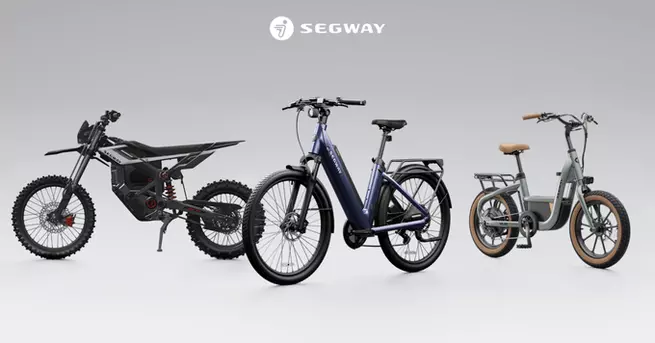
Segway e-bikes are getting smarter, safer, and more affordable as the company unveils three new models at CES 2026. Shoppers searching for high-tech e-bikes that don’t break the bank now have fresh options in the Myon, Muxi, and Xaber 300. The Ninebot-owned brand is clearly shifting focus toward practical riders who want advanced features without premium pricing. These launches answer common questions around security, rider safety, and customization. Segway’s new lineup also signals a broader strategy to appeal beyond enthusiasts. Instead of flashy gimmicks, the brand is leaning into everyday utility. That move could help Segway stand out in a crowded e-bike market.
Segway’s CES presence looks very different from past years filled with experimental concepts and novelty rides. After last year’s more grounded Xyber and Xafari launches, the company is continuing its practical reset. The new Myon targets riders who prefer a traditional bike design with modern tech hidden inside. The Muxi, with its low-step and short-tail frame, is designed for comfort and accessibility. Meanwhile, the Xaber 300 electric dirt bike adds a sporty edge to the lineup. Together, the models reflect a brand maturing into mainstream mobility. Segway now appears focused on real-world riding needs. That evolution may resonate with commuters and casual riders alike.
Security is a major selling point across the new Segway e-bikes, especially with the introduction of Lost Mode. This feature allows owners to remotely disable both the bike and its battery if it’s stolen. As e-bike theft continues to rise globally, this kind of digital lock is becoming essential. Segway pairs this with built-in tracking and app-based controls for added peace of mind. The system is designed to work seamlessly without requiring third-party accessories. Riders also get full-color displays that surface bike status at a glance. These features push Segway closer to premium brands while keeping costs down. For urban riders, that balance is especially appealing.
Segway is also leaning into rider safety with its optional RearView Radar system. Priced at $99.99, the radar offers a 150-degree field of view and detects vehicles up to 230 feet behind the bike. Using millimeter-wave technology, it alerts riders to approaching cars and shows their direction and distance. This kind of awareness tool has typically been reserved for high-end cycling gear. Integrating it into an e-bike ecosystem makes daily riding feel more confident. The radar is particularly useful for city streets and busy bike lanes. It’s another example of Segway borrowing ideas from automotive safety. That crossover could become a major differentiator.
Beyond safety, Segway e-bikes are adding subtle comfort upgrades that matter over time. A standout example is the new Xiro Dropper seat post, which automatically lowers when riders slow down. This makes stopping, mounting, and dismounting easier, especially for shorter riders. The system raises the seat again once movement resumes, requiring no manual input. Segway is also enhancing its power assistance software for smoother, more refined performance. Riders can expect better responsiveness and more natural acceleration. Combined with fitness tracking and ride data, the bikes feel more personalized. These touches show attention to everyday usability.
With the Myon, Muxi, and Xaber 300, Segway e-bikes are clearly aiming for a wider audience in 2026. The lineup now spans commuters, casual riders, and off-road enthusiasts without drastic price jumps. Segway’s focus on software, security, and safety reflects growing consumer expectations. Riders no longer want just electric power; they want intelligence built in. By delivering those features at lower costs, Segway is positioning itself as a value-driven innovator. The strategy could pressure competitors to rethink pricing and features. CES 2026 suggests Segway is serious about long-term relevance. For buyers, that means more high-tech choices without premium price tags.

2.5K articles

1.4K articles

34 articles

28 articles














Comment