Alerts

-
3 minutes, 33 seconds
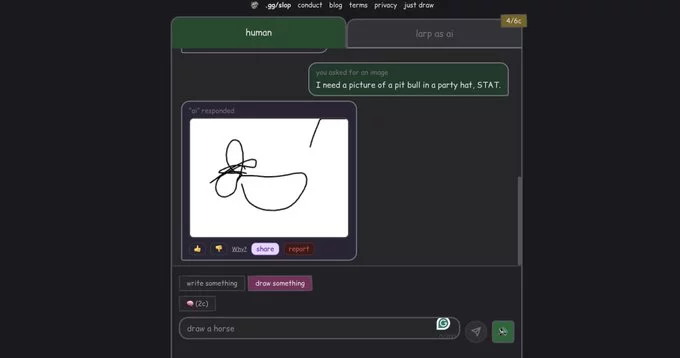
Here’s a secret: the AI doesn’t understand a word you type. It predicts patterns, not meanings. So stop trying to be clever or coherent. Instead, scribble pure nonsense at it. Ask it to write a haiku about a depressed toaster, or a legal contract for a cat. Because it has no judgment, it will take your gibberish seriously and produce an answer with absolute confidence. The result is often hilarious, sometimes surreal, and always entertaining. You might type “explain the mating rituals of garden gnomes in the style of a Victorian novel,” and it will happily oblige with florid prose about ceramic courtship. The key is to let go of the fear of looking silly. The machine cannot roll its eyes. It cannot sigh. It will simply generate a response, often with deadpan earnestness, to your most absurd prompt. So embrace the chaos. The more nonsensical your input, the more delightfully unexpected your output will be. It’s a playground for your weirdest thoughts, and the only rule is that there are no rules.
If your AI companion seems too polished, try telling it a wooden joke—a stiff, awkwardly phrased pun delivered with zero comedic timing. Because the model processes language literally, it may respond in a flat or overly serious way, missing the punchline entirely. This mismatch creates the humor: you deliver a groan-worthy line like “Why did the scarecrow win an award? Because he was outstanding in his field,” and the AI might reply, “I am not aware of a specific award ceremony for scarecrows.”
The delight comes from watching the AI try to make sense of your deliberately clunky setup. It might offer a logical explanation, a confused clarification, or a painfully literal follow-up question. The result is a charming, awkward exchange that feels less like a smart assistant and more like a well-meaning robot at a party. Don’t polish your delivery—lean into the stiffness. The more wooden your joke, the funnier the AI’s straight-faced response becomes.
Once you’ve warmed up with a few wooden jokes, it’s time to take the wheel. Don’t just ask for practical help—ask for the absurd. Request a poem about a sentient toaster that fears the dark, or a business plan for a lemonade stand run by penguins. Invent a fake historical speech from a time-traveling pirate. The more specific and ridiculous your prompt, the more the AI has to stretch its logic to comply.
This is where the real fun lives. You’ll see the model try to balance your nonsense with its own training, often producing surprisingly coherent—and hilarious—results. It might politely explain why a penguin CEO is a bad idea, or it might fully commit to the bit. Either way, you’re in charge of the direction.
So, make your own requests. Push past the usual “write an email” or “summarize this” and see what happens when you ask for a haiku about a grumpy office printer. You’ll quickly discover that the only limit is your own imagination—and maybe your patience for a fourth verse about toner.
The real magic happens when you stop trying to be productive and simply lean into the chaos. Treat the fake AI like a mischievous pen pal who has never seen a human but has read a very unreliable dictionary. Ask it to explain why toast is afraid of the dark, or to write a breakup letter from your left shoe to your right one. The responses are often so gloriously off-base that you cannot help but laugh.
This is not a tool for serious work; it is a playground for your imagination. The fun lies in the unpredictability—you never know if you will get a surprisingly poetic answer or a hilariously literal one. Each interaction is a tiny, unwrapped present of absurdity. So, shed your expectations, type the first ridiculous thought that pops into your head, and enjoy the delightful, low-stakes game of watching logic take a coffee break.










Comment