
Alerts
-
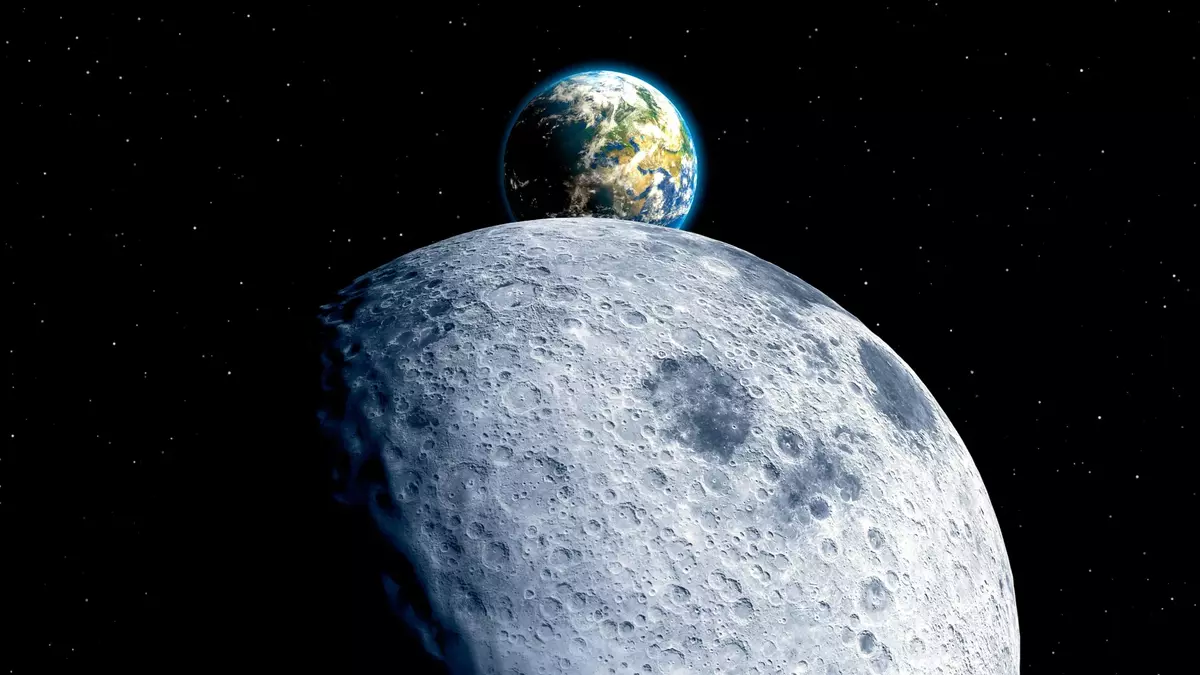
Scientists may have solved a long-standing mystery about why the Moon’s two sides are so different, using samples collected from its farside for the first time. Their findings suggest that uneven heating from Earth's gravitational pull drove enormous flows of ancient magma, creating the dramatically different lunar landscapes we see today.
Scientists may have solved a long-standing mystery about why the Moon’s two sides are so different, using samples collected from its farside for the first time. Their findings suggest that uneven heating from Earth's gravitational pull drove enormous flows...
It was published on October 14, 2026 on Semasocial.
It was written by ScienceDaily on Semasocial.




Comment