


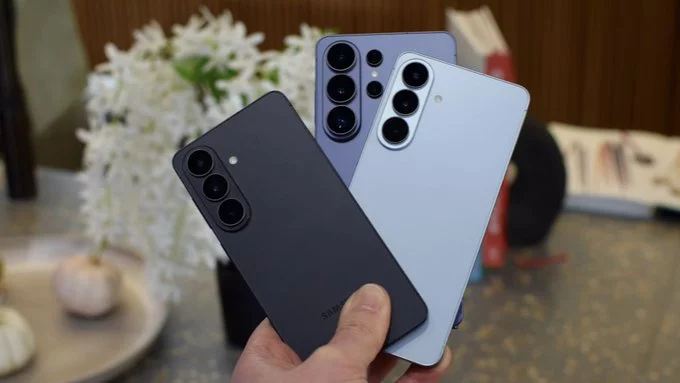
Samsung Vibe Coding: A New Era of Android Customization
-
4 minutes, 55 seconds
Samsung may be on the verge of unlocking the next level of Android customization. The concept of “vibe coding” is emerging as a potential feature for future Galaxy phones, promising users the ability to personalize not just apps, but the entire user experience. While the feature isn’t officially confirmed, Samsung executives have acknowledged its appeal, signaling that more flexible, user-driven smartphone customization could be on the horizon.
What is Vibe Coding?
Vibe coding is a new approach that allows users to tweak and program aspects of their smartphone interface and apps to suit personal preferences. Unlike traditional customization, which is mostly limited to themes or wallpapers, vibe coding could enable deeper adjustments, potentially changing app behavior, interface layouts, or even AI interactions. This concept taps into a growing trend of user-driven innovation, where tech enthusiasts want more control over how their devices function.
Samsung’s head of mobile experience, Won-Joon Choi, highlighted that vibe coding “opens up the possibility of customizing your smartphone experience in new ways, not just your apps but your UX.” The statement suggests that Samsung is exploring ways for users to go beyond surface-level personalization, giving a nod to advanced Android users who crave more freedom.
Samsung’s AI-Focused Galaxy S26 Series
The timing of this exploration aligns with Samsung’s latest Galaxy S26 series launch. Samsung has started referring to these devices as “AI phones,” reflecting a heavy emphasis on software-driven improvements. Key upgrades include the 39% faster NPU for AI tasks, the new Now Nudge assistant, and the expanded Audio Eraser tool that enhances audio clarity in recordings.
These AI enhancements show Samsung’s commitment to integrating smarter, more adaptive technology into smartphones. Vibe coding could be the next logical step, blending user creativity with AI’s ability to execute complex tasks. With the potential for multiple AI models like Perplexity joining Samsung’s assistant ecosystem, vibe coding could make the AI experience more customizable and interactive.
Why Users Want Vibe Coding
There’s a growing demand among smartphone users for customization options that go beyond traditional themes and widgets. Vibe coding answers this demand by letting users define how their devices behave at a granular level. Imagine a phone that adapts not just its look, but its functions, AI interactions, and app behaviors based on your personal preferences.
For power users and developers, this opens a playground of possibilities: creating bespoke app functions, tweaking system responses, or even designing new interaction models that reflect individual workflow patterns. Samsung’s exploration of vibe coding signals the company’s interest in catering to this community of tech-savvy users who value control over convenience.
What’s Next for Samsung and Vibe Coding
Samsung hasn’t committed to a launch date for vibe coding, and it remains unclear whether this feature will appear in the next software update or a future Galaxy phone. However, its mention by top executives signals serious consideration.
As smartphones evolve from simple communication tools to intelligent AI companions, features like vibe coding could redefine what it means to own a Galaxy device. By combining AI capabilities with deep user customization, Samsung may be positioning itself at the forefront of a more interactive, user-driven Android ecosystem.
For now, vibe coding remains a tantalizing prospect. But with Samsung actively exploring the idea, Android users might soon have unprecedented control over how their phones look, feel, and respond—ushering in a new era of smartphone personalization.



Contact Information


Suggested Writers
-

2.5K articles
-

1.3K articles
-

34 articles
-

28 articles



Comment