Alerts

-
2 minutes, 7 seconds
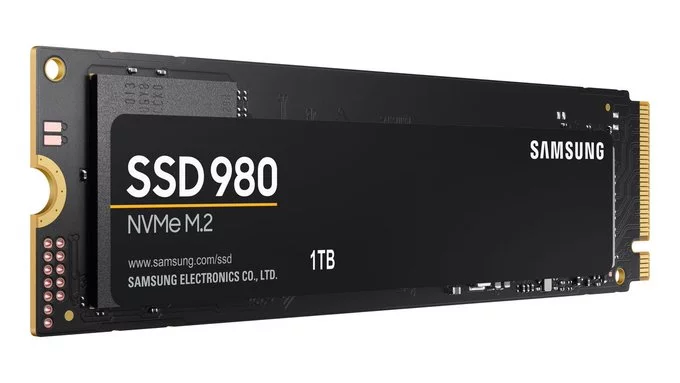
Samsung’s latest storage breakthrough moves virtualization inside SSDs, making data processing faster and more secure than ever. Instead of relying on the computer’s main processor to handle virtual tasks, this new SSD technology does the work inside the drive itself. This means less lag, better energy use, and stronger protection for your data.
Normally, virtualization—creating multiple virtual machines or environments—requires heavy work from the CPU and RAM. Samsung’s innovation lets the SSD handle these tasks on its own. The drive uses its own built-in controller and memory to run virtual functions, freeing up the main system for other jobs.
If you use cloud apps, edit videos, or run multiple programs at once, this breakthrough can make your device feel snappier. For businesses, it means lower costs and stronger data protection. Samsung’s move could change how all future SSDs are designed.
Imagine a server running dozens of virtual machines for different customers. With traditional SSDs, the CPU gets overloaded. With Samsung’s new drive, each virtual machine runs almost independently, with less strain on the main processor. This leads to faster response times and fewer crashes.
Samsung plans to release this drive for enterprise customers first, but consumer versions may follow. Experts believe this will push other storage makers to add similar features. In the future, your SSD might not just store files—it could act like a mini computer inside your computer.
Samsung’s latest storage breakthrough moves virtualization inside SSDs, marking a big step forward for speed, efficiency, and safety. Whether you’re a tech enthusiast or a business owner, this innovation is worth watching.









Comment