Samsung Galaxy Z TriFold Discontinued After Just Three Months
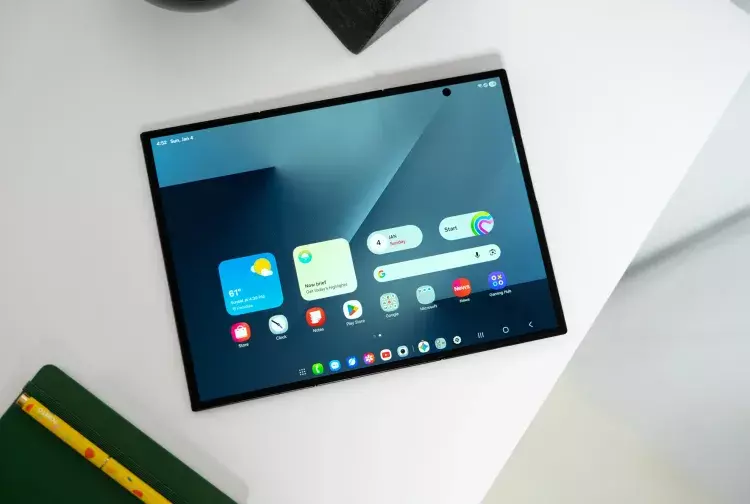
Samsung has officially discontinued the Samsung Galaxy Z TriFold barely three months after its launch, leaving many users wondering what went wrong. The premium foldable, priced at $2,899, will not receive any new restocks, meaning once current inventory runs out, it’s gone for good. For consumers and tech enthusiasts alike, this sudden decision raises questions about the future of tri-fold devices and whether the innovation arrived before the market was ready.
Limited Availability and Rapid Sell-Out Explained
From the beginning, the Galaxy Z TriFold was never widely available. Samsung Electronics opted for a controlled release strategy, selling the device directly through its own channels rather than expanding to global retail partners. Reports indicate that only a small batch of units—around 6,000 in its home market—was produced and sold.
As a result, availability quickly became scarce. In markets like the United States, online listings shifted to “sold out” within weeks, with no clear restock timeline. Some buyers were still able to locate units in select physical stores, but even those options are now disappearing as Samsung prepares to clear its remaining inventory.
High Production Costs Behind the Decision
One of the biggest factors driving the discontinuation appears to be cost. Manufacturing a tri-fold device is significantly more complex than traditional smartphones or even standard foldables. With multiple hinges, advanced display layers, and durability challenges, production expenses quickly add up.
Industry sources suggest that rising component costs made it nearly impossible for Samsung to maintain profitability on the device. Even at its premium price point, the margins were reportedly too thin to justify continued production. This highlights a broader challenge in the foldable market—innovation often comes with a steep financial trade-off.
Competition Heats Up in the Foldable Market
While Samsung is stepping back from its first tri-fold experiment, competitors are moving forward. Huawei has already progressed to a second-generation tri-fold device, signaling confidence in the category despite its challenges.
However, the global availability of such devices remains limited. Many advanced foldables are still restricted to specific regions, making it difficult for the segment to achieve mainstream adoption. Samsung’s early exit could either slow down competition or push rivals to refine their designs more aggressively.
What This Means for Early Buyers and Collectors
For those who managed to purchase the Galaxy Z TriFold, the device may quickly become a rare collector’s item. Limited production and a short market lifespan often increase long-term value, especially among tech enthusiasts who appreciate unique hardware.
That said, potential buyers looking to grab one before it disappears should proceed carefully. With official stock nearly depleted, third-party sellers and resale platforms are becoming the primary sources. Prices may fluctuate, and authenticity or condition could be concerns, making it important to verify purchases thoroughly.
A Setback or Strategic Shift for Samsung?
Despite the discontinuation, this move doesn’t necessarily signal failure. Instead, it may reflect a strategic pivot by Samsung to refine its approach to foldable innovation. The company has consistently led the foldable market, and experimental products like the TriFold often serve as testing grounds for future advancements.
Lessons learned from this short-lived device could shape the next generation of foldables—making them more durable, affordable, and practical for everyday users. For now, the Galaxy Z TriFold stands as a bold but brief chapter in smartphone evolution, reminding the industry that even groundbreaking ideas need the right timing to succeed.








Comment