
Alerts
-
5 minutes, 30 seconds
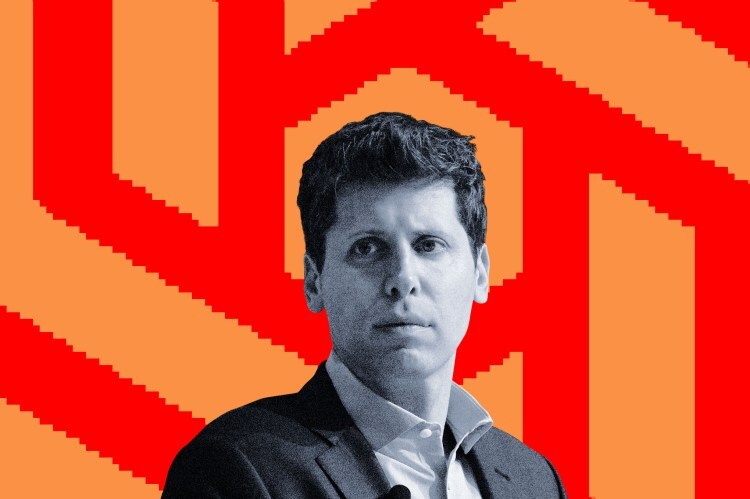
Concerns about AI safety and public sentiment are growing fast, and recent attacks targeting Sam Altman have intensified those fears. Many are asking: why is backlash against AI leaders increasing, and what does it mean for the future of artificial intelligence? While most resistance remains peaceful, these incidents highlight a shift toward more aggressive reactions, raising serious questions about trust, regulation, and the pace of innovation.
The events serve as a warning sign for the entire AI ecosystem. They reflect deeper anxieties about job loss, misinformation, and the expanding influence of powerful AI systems in everyday life. As tensions rise, the industry faces a critical moment that could shape its trajectory for years to come.
Public skepticism toward AI has been building for years, but recent developments have accelerated that trend. Rapid advancements in generative AI tools have sparked concerns about job displacement, data privacy, and ethical boundaries. Many people feel that innovation is moving faster than safeguards, creating a sense of uncertainty and loss of control.
At the same time, high-profile AI leaders have become symbolic figures representing this technological shift. As a result, frustration that might otherwise be directed at systems or corporations is increasingly aimed at individuals. This dynamic can intensify reactions, especially when economic or social pressures are already high.
Importantly, the majority of AI criticism remains constructive and nonviolent. Researchers, policymakers, and advocacy groups continue to push for responsible development through dialogue and regulation. However, isolated incidents of aggression reveal an undercurrent of tension that cannot be ignored.
Focusing anger on individual leaders carries serious risks for both public discourse and industry progress. It can oversimplify complex issues, turning nuanced debates into emotionally charged conflicts. This makes it harder to address legitimate concerns around safety, accountability, and transparency in a productive way.
Personal attacks may also discourage open communication from industry leaders. When dialogue breaks down, misinformation can spread more easily, further fueling fear and misunderstanding. In the long run, this could slow meaningful progress toward safer and more ethical AI systems.
Moreover, such incidents highlight the need for stronger protections and clearer communication strategies. As AI continues to evolve, leaders must find ways to engage with the public while maintaining personal safety and trust.
The recent attacks could accelerate calls for stronger AI governance. Governments and regulatory bodies are already exploring frameworks to ensure accountability, but rising tensions may push these efforts forward more quickly. Increased oversight could help address public concerns, but it also introduces new challenges for innovation and global competition.
Trust will be a defining factor in how AI develops from here. Companies must demonstrate not only technical excellence but also ethical responsibility. Transparency around how AI systems are built, trained, and deployed will be essential in rebuilding confidence among users and stakeholders.
At the same time, collaboration between industry leaders, governments, and communities will be crucial. A balanced approach that considers both innovation and societal impact can help prevent further polarization.
The attacks on Sam Altman are not just isolated incidents—they are a reflection of broader tensions shaping the AI landscape. They underscore the urgency of addressing public concerns before they escalate further. Ignoring these signals could lead to deeper divides and more resistance to technological progress.
For the AI industry, this moment represents both a challenge and an opportunity. By prioritizing safety, transparency, and open dialogue, companies can rebuild trust and guide innovation in a more sustainable direction. Failure to do so, however, risks intensifying backlash and slowing adoption.
As artificial intelligence continues to transform industries and daily life, the need for responsible leadership has never been greater. The path forward will depend on how effectively the industry listens, adapts, and responds to the concerns now coming to the surface.










Comment