Roland TR-1000 pushes drum machines into a new league
Roland TR-1000 answers a question many producers have been asking for years: is there a modern drum machine that truly delivers authentic analog punch while embracing today’s digital workflows? Designed as a spiritual successor to classic rhythm boxes, the TR-1000 combines real analog circuits, digital synthesis, and sampling in one powerful unit. It promises iconic sound, hands-on performance control, and deep sequencing features. At the same time, it challenges users with its sheer depth and premium pricing. For musicians seeking a centerpiece drum machine, the TR-1000 aims to be both a creative playground and a serious studio tool.
A long-awaited analog heart with modern ambitions
At its core, the Roland TR-1000 finally delivers what many fans hoped for: true analog drum circuits built for contemporary production. Sixteen dedicated analog voices provide weight, character, and immediacy that feel alive under the fingers. The low-end punch, especially in the kick and toms, carries a physical presence that software struggles to replicate. These circuits are not simple recreations but refined designs meant to sit comfortably in modern mixes.
Rather than freezing itself in nostalgia, the TR-1000 expands beyond analog alone. Digital models of classic drum machines sit alongside the analog voices, offering tonal variety without sacrificing workflow. This blend allows producers to move effortlessly from vintage-inspired rhythms to forward-thinking textures. The result feels less like a tribute and more like an evolution.
Digital synthesis and sampling widen the sound palette
Roland TR-1000 goes far beyond traditional drum synthesis by including FM-based sound generation and PCM sample playback. These digital engines open the door to metallic hits, evolving percussion, and experimental textures that complement the analog foundation. Users can layer multiple sound engines within a single pattern, creating complex and dynamic rhythms.
Sampling is also part of the experience, allowing users to import their own sounds and manipulate them directly on the hardware. Looping, chopping, and assigning samples across channels adds flexibility for modern genres. While sampling feels more functional than experimental, it still provides enough control to personalize kits. This combination ensures the TR-1000 adapts to many production styles rather than locking users into a single sound.
Performance-focused controls designed for real-time creativity
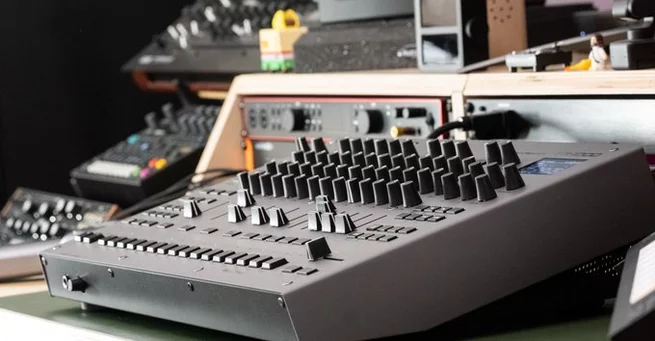
One of the strongest impressions of the Roland TR-1000 is how physical and deliberate it feels. The layout is dense but purposeful, emphasizing direct access over menu diving. Sixteen step keys anchor the sequencer, while individual sliders for each channel encourage hands-on mixing and automation. Knobs and buttons are firm, responsive, and clearly labeled.
A standout performance feature is the Morph slider, which allows dramatic transformations between sound states. With a single gesture, patterns can evolve, intensify, or break apart during live performance. This makes the TR-1000 feel less like a static programming tool and more like an instrument meant to be played. For live sets and improvisation, this tactile approach adds genuine excitement.
Advanced sequencing built for modern production
The sequencer inside the Roland TR-1000 reflects current production needs rather than legacy limitations. Probability, microtiming, and parameter automation are all integrated directly into the workflow. These tools allow patterns to breathe, shift, and avoid sounding repetitive over long sessions.
Automation can be recorded in real time, encouraging experimentation and spontaneous creativity. Subtle timing offsets help grooves feel human, while probability introduces controlled randomness. Together, these features make the TR-1000 suitable for both tightly programmed electronic styles and looser, groove-driven music. It rewards users who enjoy deep control while remaining approachable for straightforward beat creation.
Industrial design that matches its serious intent
Visually, the Roland TR-1000 adopts a restrained, industrial aesthetic. The gray-and-black color scheme feels professional and purposeful rather than playful. This design choice signals that the instrument is meant for serious work, not casual experimentation. Every element appears built for durability and long-term use.
Despite the minimal color palette, the interface avoids feeling sterile. The abundance of physical controls gives it presence and authority on a desk or stage. While the density of features can feel intimidating at first glance, extended use reveals a logical structure. The design reinforces the idea that this is a flagship instrument built to anchor a studio setup.
Power and complexity come at a cost
There is no escaping the reality that the Roland TR-1000 is both expensive and complex. Its premium price places it firmly in professional territory, making it a significant investment. For some users, the depth of features may feel overwhelming rather than empowering.
However, that same depth is what makes the TR-1000 compelling. It replaces multiple pieces of gear, offering analog warmth, digital versatility, and performance-focused control in one unit. Producers willing to invest time learning its capabilities are rewarded with a highly flexible creative tool. The TR-1000 is not designed to be simple; it is designed to be comprehensive.
Roland TR-1000 sets a bold new standard
Roland TR-1000 represents a confident statement about what a modern drum machine can be. By merging authentic analog circuits with advanced digital engines and sequencing, it bridges past and present in a meaningful way. Its hands-on design encourages performance, while its depth supports serious production work.
This is not a drum machine for everyone, but it is a drum machine with purpose. For artists seeking a flagship instrument that can grow with their creativity, the TR-1000 delivers ambition, power, and unmistakable character. Roland has not just revisited history here; it has redefined it for a new generation.













Comment