
-
6 minutes, 31 seconds
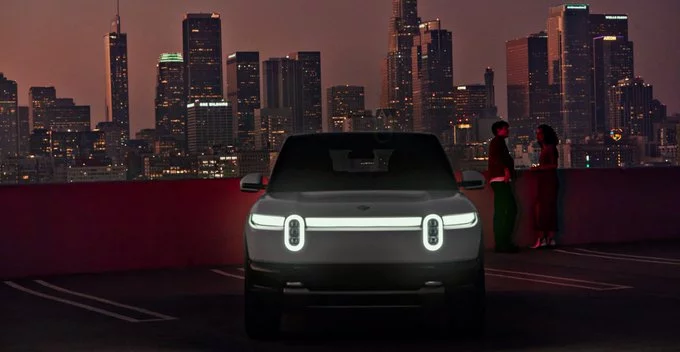
Rivian R2 is almost here, and many electric vehicle fans are asking the same question: can this new SUV compete in a crowded EV market? Designed as a more affordable electric vehicle priced below $50,000, the R2 could become Rivian’s most important product yet. Success would help the company expand its reach and compete with dominant EV models, while failure could put serious pressure on the young automaker’s future.
The Rivian R2 enters one of the most competitive segments in the electric vehicle industry: midsize electric SUVs. This category has become a favorite among consumers looking for practical family vehicles that also offer modern technology and zero emissions. Rivian designed the R2 to meet those expectations while maintaining the brand’s distinctive style and adventure-focused identity.
Affordability is central to the R2 strategy. Earlier Rivian vehicles were often priced at the premium end of the EV market, limiting their reach to a smaller group of buyers. By introducing a vehicle under $50,000, Rivian hopes to attract a much wider audience. The company believes this move could significantly increase sales volume and strengthen its long-term market position.
For Rivian, the R2 isn’t just another model—it may define the company’s next chapter. Automakers often rely on one breakout vehicle that transforms them from niche manufacturers into mainstream brands. Rivian is betting the R2 will play that role.
Industry analysts note that launching a more affordable EV during a challenging market environment is both risky and necessary. Consumer demand for electric vehicles remains strong, but buyers have become more cautious about price. Rising costs, reduced incentives, and economic uncertainty have made shoppers more selective when choosing their next car.
If Rivian can deliver strong performance, attractive design, and competitive pricing, the R2 could become a key growth engine. The vehicle’s success would help the company expand production and strengthen confidence among investors and customers alike.
Despite the excitement surrounding the R2, the electric vehicle market has become increasingly difficult for automakers. Several companies have recently slowed down or canceled EV programs due to rising development costs and uncertain demand. Even well-established manufacturers are reevaluating their electric vehicle strategies.
That reality creates both challenges and opportunities for Rivian. On one hand, fewer competitors launching new models could give the R2 more visibility. On the other hand, it highlights how difficult the EV business has become, even for companies with large resources and decades of manufacturing experience.
Price sensitivity among consumers also adds pressure. Many buyers are comparing electric vehicles more carefully than ever before, looking for the best value rather than simply choosing the newest technology. This makes pricing strategy critical for Rivian’s success.
Rivian has outlined an ambitious roadmap for the R2 launch. The company plans to scale production while maintaining the brand’s reputation for rugged design and outdoor capability. Features such as advanced driver technology, modern interiors, and versatile storage solutions are expected to play a major role in attracting buyers.
Another key part of the strategy involves building excitement around the vehicle’s unique identity. Rivian has built a loyal following among EV enthusiasts who appreciate its adventurous branding and innovative features. The company hopes that same enthusiasm will carry over to the R2 as it reaches a broader audience.
Production timelines and delivery schedules will also be closely watched. Delays have affected several EV launches across the industry, and Rivian will need to demonstrate that it can deliver vehicles efficiently and reliably.
The Rivian R2 represents more than a new electric SUV—it represents a critical moment for the company’s future. The EV industry is entering a phase where efficiency, pricing, and scalability matter as much as innovation. Automakers that successfully balance these factors are likely to emerge as long-term leaders.
Rivian’s challenge is to prove that it can compete not only with established EV manufacturers but also with traditional automakers rapidly expanding their electric lineups. If the R2 delivers on its promise, Rivian could strengthen its position in the EV market and accelerate its growth.
However, if the vehicle fails to meet expectations, the company may face increasing pressure in an already difficult industry. For Rivian, the upcoming launch of the R2 isn’t just another product release—it’s a defining test that could shape the future of the brand.

2.5K articles

1.4K articles

34 articles

28 articles














Comment