


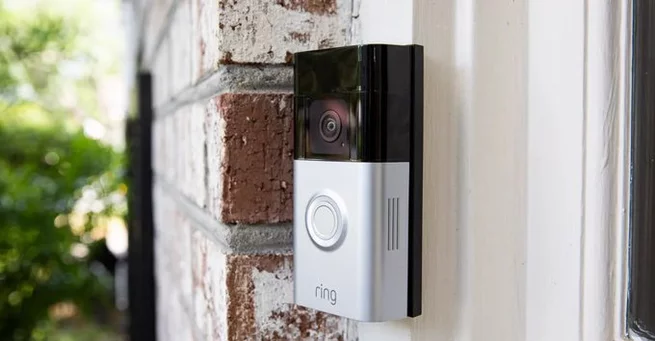
Ring ICE Cameras Controversy Sparks Privacy Backlash
-
7 minutes, 2 seconds
Ring ICE Cameras Draw Scrutiny as Privacy Fears Spread
Are Ring cameras sharing footage with immigration authorities? That question has surged across social media this week, pushing Ring ICE cameras into the spotlight. The short answer from Ring is no: the company says it does not give Immigration and Customs Enforcement access to user video. Still, a renewed backlash tied to Ring’s partnership with surveillance firm Flock has fueled confusion, anxiety, and calls for users to abandon smart home cameras altogether.
The controversy reflects broader concerns about how connected devices, artificial intelligence, and law enforcement intersect. For many users, the debate is no longer just about one company but about trust, transparency, and who ultimately controls personal data captured at home.
Ring Denies Any Direct ICE Access to User Footage
Ring has been firm in its response to the growing criticism. According to the company, it has no partnership with ICE and does not provide the agency with video clips, live feeds, or any form of backend system access. Ring also says it does not proactively share customer footage with federal immigration authorities.
Company representatives emphasize that user videos remain under the control of the device owner. Footage can only be shared if a user chooses to respond to a request or if Ring is legally compelled to comply with a valid court order. This distinction is central to Ring’s defense as online narratives suggest broader, automated data sharing.
The Flock Partnership Raises New Questions
The renewed attention stems from Ring’s previously announced partnership with Flock, an AI-powered camera network often used by government and law enforcement agencies. Flock’s technology focuses on analyzing large volumes of visual data, such as license plate imagery, to help agencies track vehicles and investigate crimes.
Ring says the partnership is limited in scope and tied to its “Community Requests” feature. This tool allows local public safety agencies to ask nearby Ring users for relevant footage during active investigations. Importantly, Ring states that this integration is not yet live, meaning Flock currently does not have access to Ring’s community request system or user videos.
How Community Requests Are Supposed to Work
Community Requests are designed as an opt-in system rather than a mass surveillance pipeline. When an eligible local agency makes a request, Ring users in the affected area receive a notification. They can then choose whether to share footage, ignore the request, or decline entirely.
Ring maintains that only city- and county-level public safety organizations can use this feature. Federal agencies, including immigration enforcement bodies, are not listed as intended participants. This structure, according to Ring, ensures that users remain in control while still allowing communities to assist with legitimate local investigations.
Social Media Backlash Fuels Mistrust
Despite Ring’s clarifications, the Ring ICE cameras debate has taken on a life of its own online. Influencers and activists have urged users to disable or destroy their devices, arguing that smart cameras contribute to a growing surveillance culture. Viral posts claim that even indirect partnerships could eventually expose private footage to federal authorities.
This reaction highlights a wider trust gap between technology companies and consumers. Once fear takes hold, official statements often struggle to catch up with emotionally charged narratives. For many users, the concern is not only about what Ring does today, but what it could do tomorrow as partnerships evolve.
The Bigger Picture: Smart Homes and Surveillance Anxiety
The Ring ICE cameras controversy underscores a broader issue facing the smart home industry. Devices designed for safety and convenience now sit at the center of debates about civil liberties, data ownership, and government overreach. Even when companies deny wrongdoing, associations with AI surveillance firms can trigger alarm.
As smart cameras become more powerful and more connected, consumers are demanding clearer boundaries. Transparency around partnerships, detailed explanations of data flows, and easy-to-understand privacy controls are no longer optional. They are becoming baseline expectations.
Why This Story Matters Beyond Ring
While Ring is the focus today, the implications stretch across the entire connected tech ecosystem. Public trust can erode quickly when users feel their private spaces might be monitored or misused. Companies that rely on always-on devices must balance cooperation with public safety and respect for individual privacy.
Ring’s challenge now is not just correcting misinformation, but rebuilding confidence. Clear communication, firm limits on data access, and visible user control will likely determine how this controversy shapes future adoption of smart security devices.
What Comes Next for Ring ICE Cameras Debate
For now, Ring insists there is no ICE access and no live integration with Flock’s systems. Whether that reassurance is enough remains uncertain. As scrutiny of surveillance technology intensifies, users are paying closer attention to how their devices fit into larger data networks.
The Ring ICE cameras debate may fade, but the questions it raises are here to stay. In a world of connected homes and AI-driven security, transparency isn’t just a feature—it’s the foundation of trust.



Contact Information





Suggested Writers
-

2.5K articles
-

1.3K articles
-

34 articles
-

28 articles



Comment