
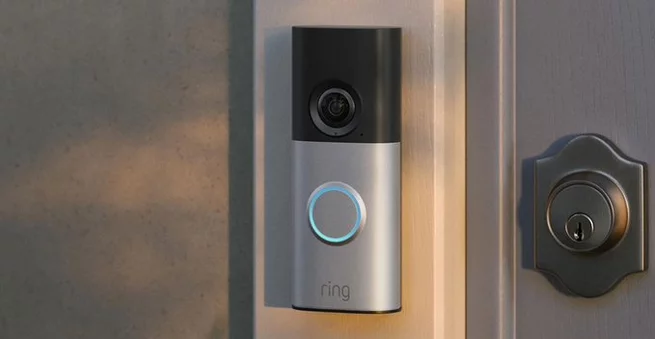
Ring Doorbell Bounty Challenges Amazon’s Cloud Control
A new Ring Doorbell Bounty is offering more than $10,000 to developers who can disconnect Ring doorbells from Amazon’s cloud and enable fully local video storage. The challenge, launched by the Fulu Foundation, aims to give users direct control over their footage without paying recurring subscription fees. Developers are being asked to integrate Ring devices with local PCs or servers while blocking communication with Amazon’s infrastructure. The goal is simple but bold: restore ownership of video data to the people who created it.
This announcement comes at a time when privacy debates around smart home devices are intensifying. Many Ring customers are asking whether their doorbell footage must always live in the cloud — and whether they truly control it.
Why the Ring Doorbell Bounty Matters Now
Ring has faced mounting scrutiny over its AI-powered “Search Party” feature, which uses its network of connected doorbells to help locate lost pets. While the feature is marketed as helpful and community-focused, critics worry about the broader implications of expanding surveillance networks. Questions around consent, data access, and future feature expansion have reignited discussions about user privacy.
The Ring Doorbell Bounty taps directly into that frustration. Instead of encouraging customers to switch hardware brands, the initiative focuses on software-level freedom. Advocates argue that consumers shouldn’t have to replace perfectly functional devices simply because they want more control over how their data is stored.
That argument resonates with privacy-conscious homeowners who invested in Ring hardware long before these new features became controversial.
How Ring Doorbells Currently Store Footage
Today, most Ring doorbell recordings are stored on Amazon’s cloud servers. Users must subscribe to a paid plan to access and retain their video history. Without a subscription, recorded clips are limited or unavailable, depending on the model and settings.
There is a local storage option called Ring Edge, but it requires specific hardware — the Ring Alarm Pro — and still involves a subscription fee. Even with end-to-end encryption enabled, footage remains stored on Amazon’s servers. That means while third parties may not view the footage, users are still dependent on the company’s infrastructure.
For some consumers, that dependency is the core issue. Cloud reliance creates ongoing costs and leaves users vulnerable to policy changes, feature shifts, or service disruptions.
What Developers Must Do to Win the $10K+
The Ring Doorbell Bounty is not just symbolic. Developers must create a functional integration that allows Ring doorbells to push video footage directly to a local computer or server. At the same time, the system must prevent the device from communicating with Amazon’s cloud.
That technical requirement is significant. Ring devices are designed to operate within Amazon’s ecosystem, making third-party modification complex. Any solution would likely require reverse engineering, firmware adjustments, or network-level control.
Still, the $10,000 starting bounty signals that the organizers believe the challenge is achievable. Additional funding could increase the prize if progress gains traction within the developer community.
The Bigger Smart Home Privacy Debate
The Ring Doorbell Bounty highlights a broader industry tension: convenience versus control. Cloud storage offers easy access, automatic updates, and seamless mobile integration. However, it also means users trade long-term autonomy for short-term simplicity.
Several competing brands already offer doorbells with local storage options. Yet advocates behind this bounty argue that privacy shouldn’t require switching ecosystems. Consumers invested in Ring hardware may not want to abandon their devices simply to gain data independence.
This reflects a growing shift in consumer expectations. Smart home buyers increasingly want flexibility — the ability to choose between cloud convenience and private local storage. As more devices integrate AI features, those expectations are likely to grow even stronger.
Could This Change Ring’s Business Model?
Subscription revenue is central to many smart home platforms. Cloud storage plans generate predictable income long after hardware is sold. If a workable local-storage solution gains popularity, it could challenge that recurring revenue model.
While Amazon has not announced changes to Ring’s cloud structure, public pressure can influence product direction. Tech companies often respond when user sentiment shifts strongly enough. A successful bounty solution could spark broader conversations about optional cloud dependency rather than mandatory integration.
Even if Ring maintains its current system, the challenge itself sends a message: users are paying closer attention to where their data lives.
What This Means for Ring Users in 2026
For current Ring owners, the Ring Doorbell Bounty represents possibility rather than immediate change. No official solution exists yet, and modifying hardware may void warranties or violate service agreements. Users considering alternative storage methods should carefully review device policies before experimenting.
Still, the initiative reflects a rising demand for digital ownership. Home security devices capture deeply personal moments — deliveries, visitors, family activity. Many consumers now want assurance that those recordings remain entirely under their control.
Whether or not someone claims the $10,000 prize, the conversation itself is reshaping expectations around smart home privacy.
A Turning Point for Consumer Tech Control?
Smart home ecosystems have long prioritized convenience. Plug in a device, connect to Wi-Fi, subscribe, and everything works automatically. But as devices become more intelligent and interconnected, control becomes just as important as ease of use.
The Ring Doorbell Bounty signals that some consumers are no longer satisfied with closed ecosystems. They want flexibility, transparency, and genuine ownership of the devices they purchase.
Developers now have a financial incentive to test what’s technically possible. If someone succeeds, it could mark a pivotal moment in the relationship between consumers and cloud-based smart home platforms.
For now, one thing is certain: the debate over who truly owns smart home data is far from over — and $10,000 is on the table to prove it.









Comment